Physical Address
304 North Cardinal St.
Dorchester Center, MA 02124
Physical Address
304 North Cardinal St.
Dorchester Center, MA 02124

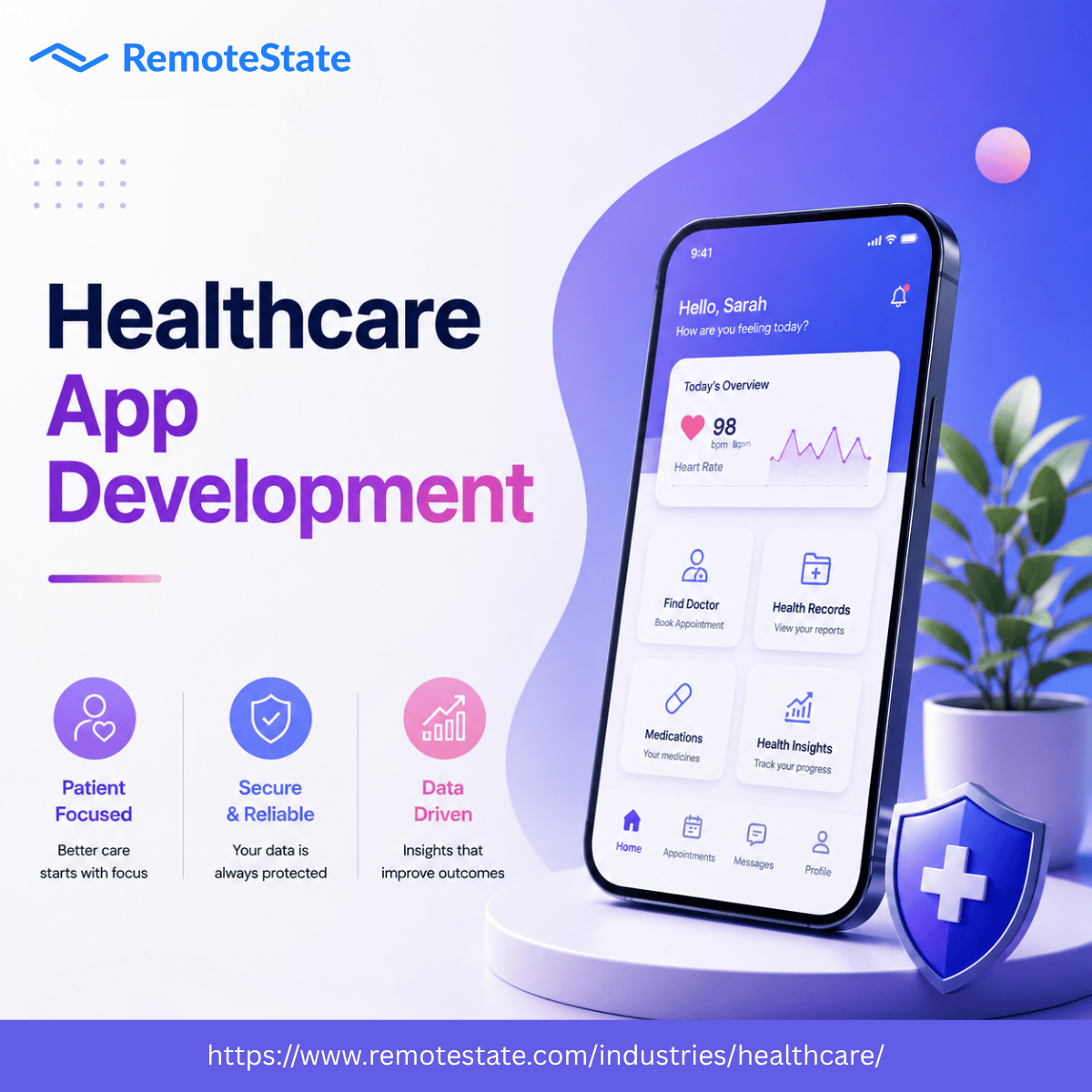
Patient care used to mean waiting for a scheduled visit to find out if something had changed. A blood pressure spike, an irregular heart rhythm, a gradual decline, most of it went unnoticed until the next appointment. Wearables and remote monitoring apps have closed a lot of that gap.
Wearable healthcare apps now support real-time monitoring, giving providers a stream of data instead of a single reading taken once every few months. Connected device compatibility means this data syncs directly with clinical systems, so a provider isn’t waiting for a patient to manually report symptoms that may have already resolved or worsened by the time of the next visit. This kind of continuous connection is a core piece of modern custom healthcare app development, since it shifts monitoring from reactive to ongoing.
Remote monitoring applications enable real-time patient tracking through connected devices, and that tracking is what makes early intervention possible instead of catching an issue after it’s already serious. Proactive care management depends on this kind of visibility, since a provider can only intervene early if the data actually reaches them early.
None of this works if the data sits in a separate app disconnected from a patient’s actual medical record. EHR connectivity ties wearable and monitoring data directly into the systems providers already use, so a reading from a connected device becomes part of the same record a clinician reviews during a visit, not a separate log nobody checks.
Continuous health data moving between a device, an app, and a clinical system creates more points where something could go wrong. Secure synchronization matters as much as the monitoring feature itself, since patients are trusting the system with a steady stream of personal health information, not just a single data point shared once.
The biggest shift isn’t the data itself, it’s what happens because of it. Patients managing chronic conditions get monitored continuously instead of periodically, and providers can act on trends instead of waiting for a problem to become obvious during a scheduled visit. This kind of shift is where a lot of recent healthcare app development has focused, moving care from something that happens in an appointment to something that happens continuously in the background.