Physical Address
304 North Cardinal St.
Dorchester Center, MA 02124
Physical Address
304 North Cardinal St.
Dorchester Center, MA 02124

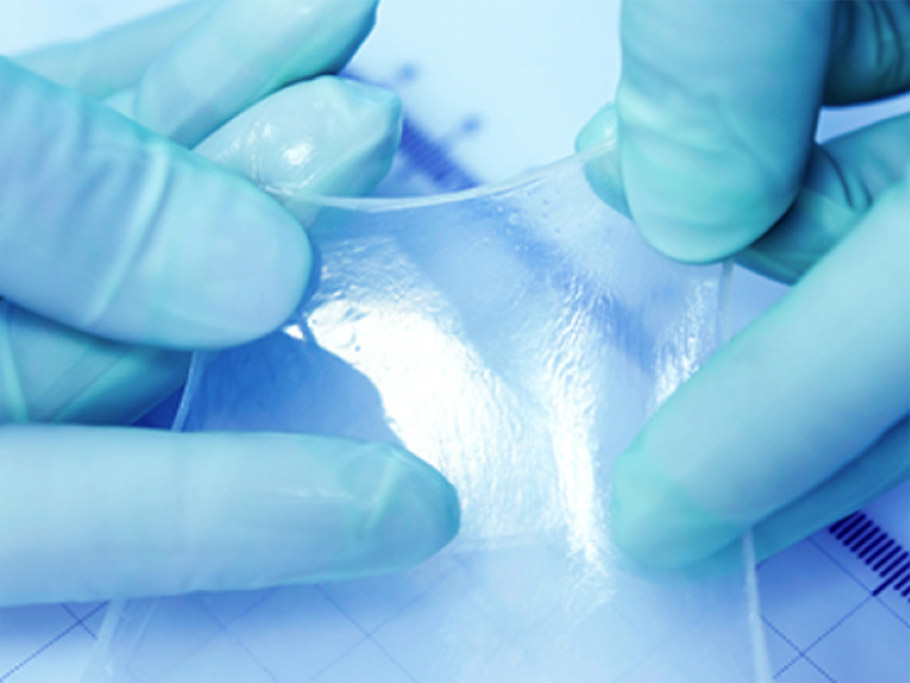
Amniotic membrane graft for wounds may support healing in chronic and complex wounds. Learn about benefits, applications, evidence, and amniotic membrane products.
Chronic and difficult-to-heal wounds can place a significant burden on both patients and healthcare professionals. Diabetes, poor circulation, infection, burns, trauma, and other underlying conditions can interfere with the body’s normal healing process. As clinicians look for advanced approaches to wound management, amniotic membrane graft for wounds has gained attention as a biologic option that may support tissue repair.
Amniotic membrane technology is not entirely new. However, improvements in tissue processing, preservation, and clinical application have expanded the range of available amniotic membrane products and their potential uses in wound care.
An amniotic membrane is a thin layer of tissue derived from the placenta. It contains structural components and biologically active factors that may contribute to tissue repair and modulation of inflammation.
In wound care, processed amniotic membrane tissue can be placed over a wound as a biologic covering. Depending on the specific product and clinical application, the membrane may act as a protective barrier while supporting an environment conducive to epithelialization and wound closure.
Research reviews have reported potential benefits of amniotic membrane therapy in both acute and chronic wounds, including support for re-epithelialization, modulation of inflammation, and other processes involved in healing.
Normal wound healing involves several overlapping stages, including inflammation, tissue formation, and remodeling. Chronic wounds may become stalled in one or more of these stages.
An amniotic membrane graft may help address some of these challenges through several proposed mechanisms. The tissue provides a biological matrix that can cover the wound while potentially supporting cellular activity and tissue regeneration. Research has also examined its anti-inflammatory and antimicrobial properties, although outcomes can vary according to the wound, product, processing method, and treatment protocol.
Clinical evidence is particularly encouraging in certain chronic wound populations. A systematic review and meta-analysis examining human amniotic membrane treatment for venous and diabetic ulcers reported improved wound closure compared with standard care, although individual study designs and treatment approaches differed.
Importantly, an amniotic membrane should generally be considered an adjunct to comprehensive wound care, rather than a replacement for addressing the underlying cause of a wound.
The applications vary depending on the product and its regulatory status. In clinical wound management, amniotic membrane products have been investigated or used for wounds such as diabetic foot ulcers, venous leg ulcers, burns, and other complex wounds.
For example, clinical research involving dehydrated human amnion/chorion membrane has reported wound-closure benefits in chronic wounds when used alongside standard treatment. Research on burns has also found promising results, although the evidence and protocols differ between studies.
The term “amniotic membrane products” covers a broad category, so products should not automatically be considered interchangeable. Differences in tissue source, processing, preservation, composition, and intended use can affect how a product is applied and what evidence supports it.
Selecting an advanced wound-care treatment requires more than identifying a promising technology. Clinicians need to consider wound depth, size, duration, infection status, blood supply, tissue quality, comorbidities, and previous treatments.
A complete treatment plan may also involve debridement, infection management, pressure relief, vascular assessment, moisture management, nutritional support, and control of conditions that interfere with healing.
For this reason, an amniotic membrane graft for wounds should be selected and applied according to the patient’s individual clinical needs and the instructions associated with the specific product.
The growing body of research around placental-derived biomaterials suggests that amniotic membrane technology will continue to be an important area of wound-care research. New formulations and delivery methods are being investigated, while clinicians continue to evaluate which patients are most likely to benefit.
The goal should not simply be to adopt the newest wound-care product. It should be to match evidence, product characteristics, and patient needs in a way that supports safe and effective wound management.
For healthcare professionals considering advanced biologic wound care, understanding the evidence behind amniotic membrane therapy is an important first step. Used appropriately alongside established wound-care principles, these products may provide another valuable option for challenging wounds.