Physical Address
304 North Cardinal St.
Dorchester Center, MA 02124
Physical Address
304 North Cardinal St.
Dorchester Center, MA 02124

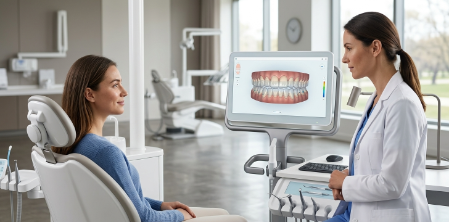
Teeth aligners offer a discreet and convenient approach to improving tooth alignment, but successful treatment requires more than simply wearing clear trays. Learn the key factors to consider before starting treatment, from professional assessment and daily care to follow-up appointments and long-term retention.
Choosing a way to improve your smile is a personal decision, and understanding the treatment before getting started can make the process much easier. Teeth aligners have become a popular option for people who want to address certain alignment concerns without traditional braces. Their removable design and relatively discreet appearance can fit conveniently into many daily routines.
However, clear trays are not simply something a person wears until the teeth move into place. Treatment involves an assessment, careful planning, regular wear, good oral hygiene, and follow-up appointments. Knowing what to expect beforehand can help patients make informed decisions and develop realistic expectations about their results.
The first step should always be an evaluation by a qualified dental or orthodontic professional. Not every type of tooth movement can be handled in the same way, and the most appropriate treatment depends on the individual’s dental condition.
During an initial assessment, a professional may examine the teeth, gums, bite, jaw relationship, and overall oral health. Digital scans, photographs, or dental X-rays may also be used when appropriate.
This evaluation can identify concerns that should be addressed before alignment treatment begins. For example, cavities or gum problems may need attention first.
Patients should also discuss:
A detailed assessment creates a stronger foundation for the treatment plan.
One of the most important things to understand is that aligner treatment is not identical for every patient. The trays are designed according to a planned sequence of tooth movements, and the complexity of that sequence can vary considerably.
Some patients may need treatment for relatively minor crowding or spacing. Others may require a more involved approach to improve their bite as well as the visible position of their teeth.
A consultation should therefore focus on the actual dental concern rather than simply asking whether a particular product is available.
Straightening teeth can improve the appearance of a smile, but orthodontic treatment may also address functional concerns involving the bite. The relationship between upper and lower teeth matters because it can affect how a person bites and chews.
A professional should explain what the proposed treatment is intended to achieve and which limitations may exist.
This is particularly important for patients who have complex bite issues. A treatment option that works well for one person may not be appropriate for another.
One reason clear aligners appeal to many adults is their removable design. Unlike fixed braces, the trays can generally be removed for eating and oral hygiene according to the treatment instructions.
That flexibility can be convenient, but it also creates an important responsibility: patients need to wear the trays as directed.
Daily routines may involve:
The removable nature of the treatment should not be mistaken for a lack of discipline. Consistency is an important part of achieving the planned movement.
Before starting, think honestly about your normal schedule. Someone who frequently travels, attends long social events, or has an unpredictable work routine may need to plan carefully around treatment.
The trays are designed to become part of everyday life, so patients should know how they will manage them outside the home.
For example, carrying a small dental-care kit can make it easier to maintain hygiene after meals. A protective case is also useful when trays need to be removed.
Planning these small details in advance can prevent avoidable problems.
Food particles and plaque can become trapped around teeth when trays are worn. Maintaining good oral hygiene is therefore especially important during treatment.
Patients should continue brushing and cleaning between their teeth as recommended by their dental professional. The trays themselves also need appropriate cleaning.
A simple routine may include:
Good hygiene is not only about keeping the aligners looking clean. It also helps protect the teeth and gums throughout treatment.
Patients sometimes focus heavily on the physical aligners while overlooking the planning behind them. The trays are only one part of the overall process.
The treatment plan determines how teeth are expected to move and when progress should be reviewed. Depending on the case, patients may receive multiple sets of trays that are changed according to professional instructions.
This planned sequence is why simply obtaining an aligner for teeth without proper assessment is not an equivalent substitute for supervised orthodontic treatment.
A qualified professional can determine whether the planned movements are progressing as expected and make adjustments if necessary.
Modern orthodontic treatment can involve several professionals working behind the scenes. An aligner technician may contribute to the technical production process, including working with digital treatment information and manufacturing requirements.
However, technical production and clinical decision-making are not the same thing.
Patients should understand who is responsible for evaluating their teeth, developing their treatment plan, monitoring progress, and making clinical decisions. Those responsibilities should remain with an appropriately qualified dental or orthodontic professional.
Knowing the difference can help patients make better decisions when comparing treatment providers.
Some patients assume that treatment will involve nothing more than wearing smooth plastic trays. In certain cases, however, additional components may be used to help achieve specific tooth movements.
Small tooth-colored attachments, for example, may be placed on selected teeth when clinically appropriate. Other cases may require additional techniques or refinements.
These details should be discussed before treatment begins so there are no surprises later.
Patients can ask:
Clear answers can make the treatment experience more predictable.
There is no universal treatment length for every patient. The duration depends on the starting condition, the amount of movement required, the treatment plan, and how consistently the patient follows instructions.
Some cases may be relatively straightforward, while others require substantially more time.
It is better to think of orthodontic treatment as a process rather than a quick cosmetic change. Patients should be cautious about promises of guaranteed results within an unusually short period.
Regular monitoring allows the professional overseeing treatment to evaluate progress and determine whether the plan is working as expected.
Wearing the trays for the recommended amount of time is one of the most important responsibilities for patients. Removing them frequently or leaving them out for extended periods can interfere with the planned sequence of movement.
This is one reason orthodontic aligners require active patient participation.
Patients who struggle to remember their trays can connect wear habits to existing routines. For instance, after brushing in the morning, the trays can become part of the established routine rather than something that has to be remembered separately.
Consistency is usually easier when the process becomes predictable.
Because the trays are generally removed for meals, patients have considerable flexibility compared with some fixed orthodontic appliances. However, beverages and food can still affect oral hygiene and tray care.
Patients should follow the specific instructions provided by their dental professional and aligner manufacturer.
A few sensible habits include:
Taking care of the trays can help preserve their fit and condition.
Orthodontic treatment should not be treated as a completely hands-off process. Follow-up appointments give the dental professional an opportunity to check how the teeth are responding and whether treatment is progressing appropriately.
If progress differs from the original expectation, the treatment plan may need to be adjusted.
Follow-ups are also a chance to raise concerns. Patients should mention discomfort that seems unusual, problems with fit, damaged trays, or other changes rather than ignoring them.
Regular professional oversight helps keep treatment focused on the individual’s dental needs.
Choosing a provider requires more than comparing prices. Patients should consider the qualifications of the professional, the level of clinical supervision, the diagnostic process, and how follow-up care is handled.
A provider should be willing to explain the proposed treatment clearly rather than rushing a patient into a decision.
When researching ortho aligners, consider whether the provider offers:
The goal is to choose treatment based on clinical suitability rather than marketing alone.
Patients may encounter different companies and services while researching alignment options. For example, Angel Aligner is a name patients may come across when exploring aligner-related treatment solutions.
Regardless of the brand involved, the most important consideration is whether the treatment is appropriate for the individual’s dental needs and whether qualified professionals are involved in planning and monitoring care.
A brand name by itself should not determine whether treatment is suitable.
Finishing the active phase of orthodontic treatment does not necessarily mean the process is completely over. Teeth can shift over time, which is why retention is an important part of maintaining the result.
A dental professional can recommend an appropriate retainer and explain how it should be used.
Patients should understand this before beginning treatment because the long-term commitment extends beyond the final active tray.
The purpose of a retainer is to help maintain the position achieved during treatment. Following the recommended retention routine can support the stability of the result.
The exact approach can vary between patients, so instructions should come directly from the professional overseeing the case.
Many treatment problems can be prevented through simple habits. Patients should avoid treating the trays casually simply because they are removable.
Common mistakes include:
If something goes wrong, contacting the dental provider is generally more useful than trying to solve the issue independently.
Cost is naturally an important consideration, but the lowest initial price is not always the most meaningful comparison.
Patients should ask what is included in the quoted treatment fee. The total cost may depend on diagnostics, treatment planning, follow-up appointments, refinements, retainers, and other services.
A clear financial discussion before treatment can help prevent misunderstandings later.
It is also worth asking about payment options and what happens if the original treatment plan needs modification.
Starting orthodontic treatment is a commitment, so patients should take time to understand the proposed process. A consultation should leave you with a clear idea of the goals, expected responsibilities, possible limitations, and follow-up requirements.
There is nothing wrong with asking for clarification or seeking a second professional opinion if something is unclear.
The right treatment is not necessarily the one with the most attractive advertisement. It is the one that is clinically appropriate and realistically manageable for the person receiving it.
No. Suitability depends on the individual’s teeth, bite, gums, and treatment goals. A dental or orthodontic professional should assess the case before recommending treatment.
The recommended wear schedule depends on the specific treatment plan. Patients should follow the instructions provided by their treating professional rather than relying on a general schedule.
They are generally removed for meals, but patients should follow the specific instructions they receive. Good oral hygiene before replacing the trays is important.
An aligner technician may be involved in the technical production side of aligner treatment. Clinical assessment and treatment decisions should be handled by an appropriately qualified dental or orthodontic professional.
Yes, professional monitoring is important. Follow-up visits allow the provider to check progress and determine whether any changes to the treatment plan are needed.
Many patients need retention after active tooth movement is complete. Your dental professional can explain the appropriate retainer and how often it should be worn.
Starting orthodontic treatment with teeth aligners is easier when patients understand what the process actually involves. The trays may be discreet and convenient, but successful treatment still depends on proper assessment, a carefully developed plan, consistent wear, good oral hygiene, and professional monitoring.
Before committing, consider the complexity of your dental needs, the provider’s qualifications, expected treatment responsibilities, costs, follow-up schedule, and long-term retention. Understanding these factors early can help you approach treatment with realistic expectations and greater confidence.
A well-planned approach is ultimately more important than choosing a treatment simply because it looks convenient. When the treatment is appropriately selected and carefully supervised, patients have a clearer path toward achieving and maintaining their desired alignment results.