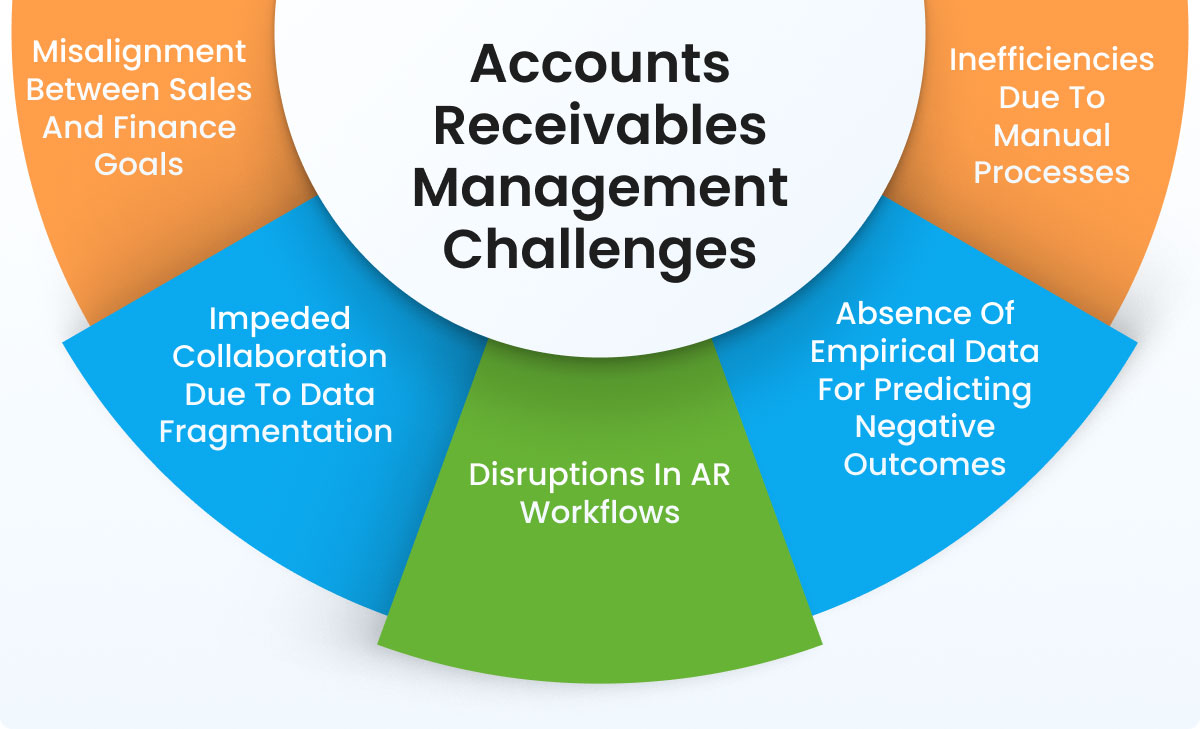
An accounts receivable management company helps businesses manage outstanding invoices, improve cash flow, reduce overdue payments, and maintain accurate financial records. For healthcare providers, professional service firms, and other organizations that handle a large volume of receivables, outsourcing accounts receivable management can make the payment cycle more efficient while allowing internal teams to focus on their core operations.
What Is Accounts Receivable Management?
Accounts receivable (AR) refers to money a business is owed by customers, clients, or insurance companies for products or services already provided. Managing these receivables involves tracking invoices, monitoring payment deadlines, identifying overdue balances, following up on unpaid accounts, and resolving payment issues.
An
accounts receivable management company provides specialized services to handle some or all of these responsibilities on behalf of a business. Its goal is to help organizations collect legitimate outstanding payments efficiently while maintaining professional relationships with customers or clients.
What Does an Accounts Receivable Management Company Do?
A professional AR management company can support several stages of the revenue cycle.
1. Invoice and Account Management
AR specialists review invoices and account records to ensure balances are properly documented. They can identify missing information, incorrect charges, duplicate invoices, or other issues that may delay payment.
2. Payment Follow-Up
When invoices become overdue, AR professionals follow up with customers or responsible parties. Structured follow-up processes can help reduce the number of accounts that remain unpaid for extended periods.
3. Aging Accounts Receivable
AR aging reports categorize outstanding balances according to how long they have been unpaid, such as:
- Current accounts
- 1–30 days overdue
- 31–60 days overdue
- 61–90 days overdue
- More than 90 days overdue
Analyzing these categories helps businesses determine which accounts require immediate attention.
4. Denial and Dispute Resolution
Payment delays may occur because of billing errors, documentation problems, disputed charges, or other issues. AR specialists investigate these problems and coordinate with the appropriate departments to resolve them.
5. Payment Posting and Reconciliation
Accurate
payment posting ensures that received payments are correctly applied to the appropriate accounts. Reconciliation also helps identify discrepancies between payments, invoices, and account balances.
6. Reporting and Performance Monitoring
An AR management company can provide reports covering outstanding balances, collection performance, aging trends, payment patterns, and other important financial indicators. These reports help management make informed decisions.
Why Is Accounts Receivable Management Important?
Poor AR management can create serious cash-flow challenges. A company may generate strong sales or provide a high volume of services but still experience financial pressure if customers do not pay on time.
Effective AR management can help businesses:
- Improve cash flow
- Reduce outstanding balances
- Identify payment delays earlier
- Minimize administrative workloads
- Improve billing accuracy
- Reduce aged receivables
- Strengthen financial reporting
- Create a more consistent collection process
The objective is not simply to collect money faster. It is to create a reliable process that helps businesses receive the revenue they have already earned.
Benefits of Outsourcing Accounts Receivable Management
Cost Efficiency
Maintaining an in-house AR team requires salaries, training, technology, supervision, and other operational expenses. Outsourcing can provide access to trained professionals without requiring the same level of internal resources.
Specialized Expertise
AR management companies typically have teams familiar with billing workflows, payment processing, account reconciliation, aging analysis, and collection strategies. This expertise can be particularly valuable for organizations with complex billing requirements.
Better Cash Flow
Consistent monitoring and timely follow-up can help reduce the time between invoicing and payment. Improved collection performance can give businesses greater control over working capital.
Reduced Administrative Burden
Internal employees can spend significant time reviewing accounts, making follow-up calls, sending payment reminders, and researching discrepancies. Outsourcing these activities allows staff to focus on higher-value responsibilities.
Scalable Operations
An outsourced AR team can often accommodate changes in account volume. This can be useful for growing businesses or organizations experiencing seasonal increases in billing activity.
Accounts Receivable Management in Healthcare
Healthcare organizations often have particularly complex receivables because payments can involve insurance companies, patients, government programs, and multiple billing requirements.
A healthcare-focused AR management company may assist with:
- Insurance account follow-up
- Patient balance follow-up
- Claims-related receivables
- Denial management
- Payment posting
- Credit balance review
- Aging analysis
- Account reconciliation
- Reporting and collection tracking
By improving the coordination between billing and collections, healthcare organizations can potentially reduce delays and improve revenue-cycle performance.
How to Choose an Accounts Receivable Management Company
Businesses should evaluate several factors before selecting an AR management partner.
Industry Experience
Look for a company with experience in your specific industry. Healthcare AR, for example, may require different knowledge and processes than commercial accounts receivable.
Technology and Security
The provider should use reliable systems for account management, reporting, communication, and data protection. Businesses should also understand how the provider handles confidential financial or customer information.
Transparent Reporting
Choose a company that provides clear and measurable reports. Useful metrics may include collection rates, days in AR, aging distribution, outstanding balances, and resolution rates.
Communication
Effective communication is essential. The provider should establish clear processes for reporting issues, escalating difficult accounts, and communicating performance results.
Customized Processes
Every organization has different billing structures and customer profiles. A strong AR management partner should be able to adapt its workflow to the business rather than relying entirely on a one-size-fits-all approach.
Key Metrics to Monitor
Businesses can use several key performance indicators to evaluate accounts receivable performance:
Days Sales Outstanding (DSO): Measures the average number of days required to collect payment after a sale.
AR Aging: Shows how much money remains outstanding and how long each balance has been unpaid.
Collection Rate: Measures the percentage of receivables successfully collected.
Denial Rate: Particularly important in healthcare, this indicates how frequently claims or payments are denied.
Bad Debt Rate: Tracks receivables that are unlikely to be collected.
Monitoring these metrics regularly can reveal problems before they significantly affect cash flow.
Final Thoughts
An accounts receivable management company can help businesses create a more organized, efficient, and consistent approach to collecting outstanding payments. From invoice monitoring and aging analysis to payment posting, reconciliation, and account follow-up, professional AR services can reduce administrative pressure and support healthier cash flow.
The right provider should offer industry expertise, transparent reporting, secure technology, and processes tailored to the organization’s needs. When AR management becomes proactive rather than reactive, businesses are better positioned to protect revenue and maintain stronger financial performance.