Physical Address
304 North Cardinal St.
Dorchester Center, MA 02124
Physical Address
304 North Cardinal St.
Dorchester Center, MA 02124

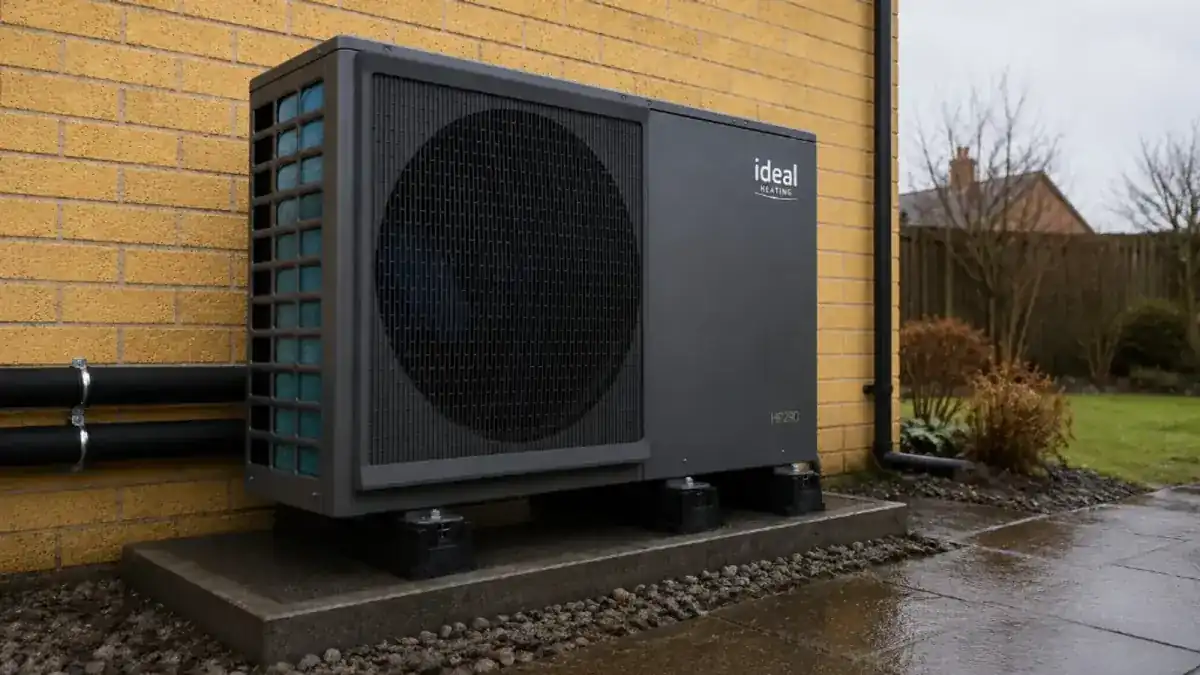
In 2026, eligible homeowners in England and Wales can receive £7,500 towards an air-to-water heat pump, while some eligible off-gas-grid properties replacing oil or LPG heating can receive £9,000.
An air source heat pump can involve a significant upfront investment, but the Boiler Upgrade Scheme can reduce the amount a homeowner has to pay. In 2026, eligible homeowners in England and Wales can receive £7,500 towards an air-to-water heat pump, while some eligible off-gas-grid properties replacing oil or LPG heating can receive £9,000.
The important figure, however, is not the grant itself. What matters is the final price you pay after the grant and any additional work required for your property.
There is no single installation price because every property is different. The final cost depends on the heat pump selected, property size, existing heating system, pipework, hot water arrangements, electrical work and how much preparation the home needs.
Government guidance has previously indicated that a typical air source heat pump installation could leave homeowners paying around £6,500 to £11,500 after accounting for the Boiler Upgrade Scheme grant, depending on the work involved.
That figure should be treated as a guide rather than a guaranteed market price. A straightforward replacement can cost less than a complex installation requiring substantial alterations.
For example, if an installation is quoted at £15,000 before the grant and the property qualifies for the standard £7,500 support, the remaining cost would be £7,500.
If the same property required additional electrical upgrades, radiator changes or other work, the final amount could be higher.
The Boiler Upgrade Scheme grant is applied to the cost of the eligible installation. You do not normally receive £7,500 directly into your bank account.
Instead, an MCS-certified installer applies for the grant and the approved amount is deducted from the installation price. Ofgem requires installers to show the full grant discount at quotation stage and on the final invoice.
This makes it easier to compare quotations because you can look at:
Total installation price − BUS grant = your contribution
For example:
| Example installation | Amount |
|---|---|
| Heat pump installation | £14,500 |
| Boiler Upgrade Scheme grant | −£7,500 |
| Homeowner contribution | £7,000 |
These are example figures rather than a standard market price. Your installer should provide a property-specific quotation.
Yes, but the higher amount is only available for specific properties.
From 21 July 2026, eligible off-gas-grid properties replacing oil or LPG heating can receive £9,000 towards an air-to-water heat pump. The increased support is currently available until 31 March 2027.
This creates a noticeable difference in the amount a homeowner needs to fund.
Suppose an eligible oil-heated property receives a £15,000 quotation:
£15,000 installation − £9,000 grant = £6,000 to pay
A similar installation receiving the standard £7,500 grant would leave £7,500 to fund.
The higher grant is not available simply because a home is outside a city or town. The property must meet the scheme’s off-gas-grid conditions and the existing heating system must fall within the relevant category.
The headline price of the heat pump is only part of the calculation. Several factors can move the final quotation considerably.
A larger house will generally need a larger heating capacity than a small flat or compact terrace.
That does not mean installers should simply choose a bigger unit because the property is large. The system should be properly sized around the building’s heat demand.
An oversized system can be just as unsuitable as one that is too small.
Heat pumps generally operate differently from conventional boilers. They often deliver heat at lower flow temperatures over longer periods.
Your existing radiators may be suitable, but that cannot be assumed without an assessment.
Some rooms may require larger radiators to deliver enough heat at the lower operating temperature. If several radiators need replacing, this adds to the installation bill.
Homes currently using a combi boiler may need changes to their hot water arrangement when switching to an air-to-water heat pump.
A suitable hot water cylinder may need to be installed, along with associated pipework and controls.
That additional work should be included in the quotation rather than appearing unexpectedly after installation begins.
A heat pump uses electricity, so the property’s electrical supply and consumer unit may need to be assessed.
If upgrades are required, the cost needs to be considered alongside the heat pump installation rather than treated as an unrelated expense.
Older properties can require more preparation than newer homes.
Pipework may need alterations, circulation components may need changing and the installer may need to make adjustments around the existing heating system.
These details are easy to overlook when comparing two headline quotations.
Not every home needs major insulation work before installing a heat pump.
However, improving the building’s energy efficiency can reduce heat demand and make the heating system easier to operate efficiently.
A good installer should assess the property rather than automatically recommending expensive insulation work.
The more useful question is whether the home’s current heat loss makes the proposed heat pump design appropriate.
If the property has obvious draughts, poor insulation or significant heat loss, addressing those issues may improve comfort regardless of which heating system you choose.
The scheme is designed to support the replacement of eligible existing fossil fuel or electric heating systems with qualifying low-carbon heating.
An eligible homeowner can therefore replace an existing gas, oil, LPG or qualifying electric heating system with an air-to-water heat pump, subject to the full BUS requirements. The new heat pump must be capable of meeting the property’s full space-heating needs and must meet the scheme’s technical standards.
You cannot use the grant to replace an existing low-carbon heating system with another one.
Hybrid arrangements involving a fossil fuel boiler and heat pump are also excluded from BUS funding.
When comparing quotes, ask for a clear breakdown rather than focusing only on the final figure.
Potential costs can include:
Not every home will need all of these.
For instance, one property might require only minor radiator changes, while another may need extensive plumbing and electrical work.
This is why comparing a £12,000 quote with a £16,000 quote purely on price can be misleading. The cheaper quote may simply exclude work that the more expensive installer has included.
Homeowners do not normally submit a BUS application independently.
The scheme is installer-led. An eligible MCS-certified installer applies for the voucher on the property owner’s behalf.
If you are ready to apply for the boiler upgrade scheme grant, start by finding an installer who can assess the property and confirm whether both the installation and property satisfy the current rules.
Before agreeing to the work, check:
The installer should make the grant deduction clear in the quotation.
For many homeowners, it can make a substantial difference.
A £7,500 reduction is significant when an installation costs several thousand pounds. The effect is even greater for an eligible off-gas-grid household that can receive £9,000.
But affordability should not be judged by the grant alone.
Consider the entire project cost, expected electricity use, maintenance requirements, the condition of the existing heating system and any changes the property needs.
A low quotation is not necessarily the best option if it leaves out important work. Equally, a high price does not automatically mean a better installation.
This is one reason to obtain a detailed quotation before work starts.
The grant has a fixed value. If additional work is required, the grant does not increase to cover those unexpected costs.
For example, if your eligible installation receives the £7,500 grant but later requires £2,000 of additional work, you remain responsible for that extra amount unless the installer has agreed to include it in the original quotation.
Ask what assumptions the quotation is based on and whether any items are provisional.
A site survey should reduce the risk of unexpected costs because the installer can inspect the existing heating system before preparing the final proposal.
VAT can also affect the amount you pay.
Ofgem states that eligible energy-saving materials, including heat pumps, are subject to 0% VAT in Great Britain from 1 April 2022 to 31 March 2027, subject to the applicable conditions.
Your quotation should make the treatment of VAT clear.
This matters when comparing older prices or online cost guides because figures from previous years may not reflect the same VAT position.
The most effective approach is not necessarily to choose the cheapest heat pump.
Instead:
A quotation that explains the proposed system clearly is usually more useful than one that simply lists a heat pump model and a final price.
That depends on the property and how the system is used.
The grant can significantly reduce the initial investment, particularly for households eligible for the £9,000 off-gas-grid support. But the long-term value comes from having a correctly designed system that suits the building.
Running costs also depend on electricity prices, system efficiency, heating controls, household behaviour and the condition of the property.
The best starting point is therefore not “How much is the cheapest heat pump?”
A better question is:
What will a properly designed system cost me after the grant, and what will it take to heat my home effectively?
That approach gives you a much more realistic picture of whether switching from a boiler to an air source heat pump makes financial sense.
The Boiler Upgrade Scheme can remove a substantial part of the upfront cost of an air source heat pump. In 2026, the standard BUS grant is £7,500, while eligible off-gas-grid properties replacing oil or LPG heating can receive £9,000 until 31 March 2027.
Your actual cost will depend on the installation rather than the grant alone. Radiators, hot water systems, pipework, electrical requirements and property-specific work can all affect the final amount.
Before committing, compare detailed quotations and make sure you understand exactly what is included and what you will pay after the grant. A well-designed installation is more important than simply finding the lowest headline price.