Physical Address
304 North Cardinal St.
Dorchester Center, MA 02124
Physical Address
304 North Cardinal St.
Dorchester Center, MA 02124

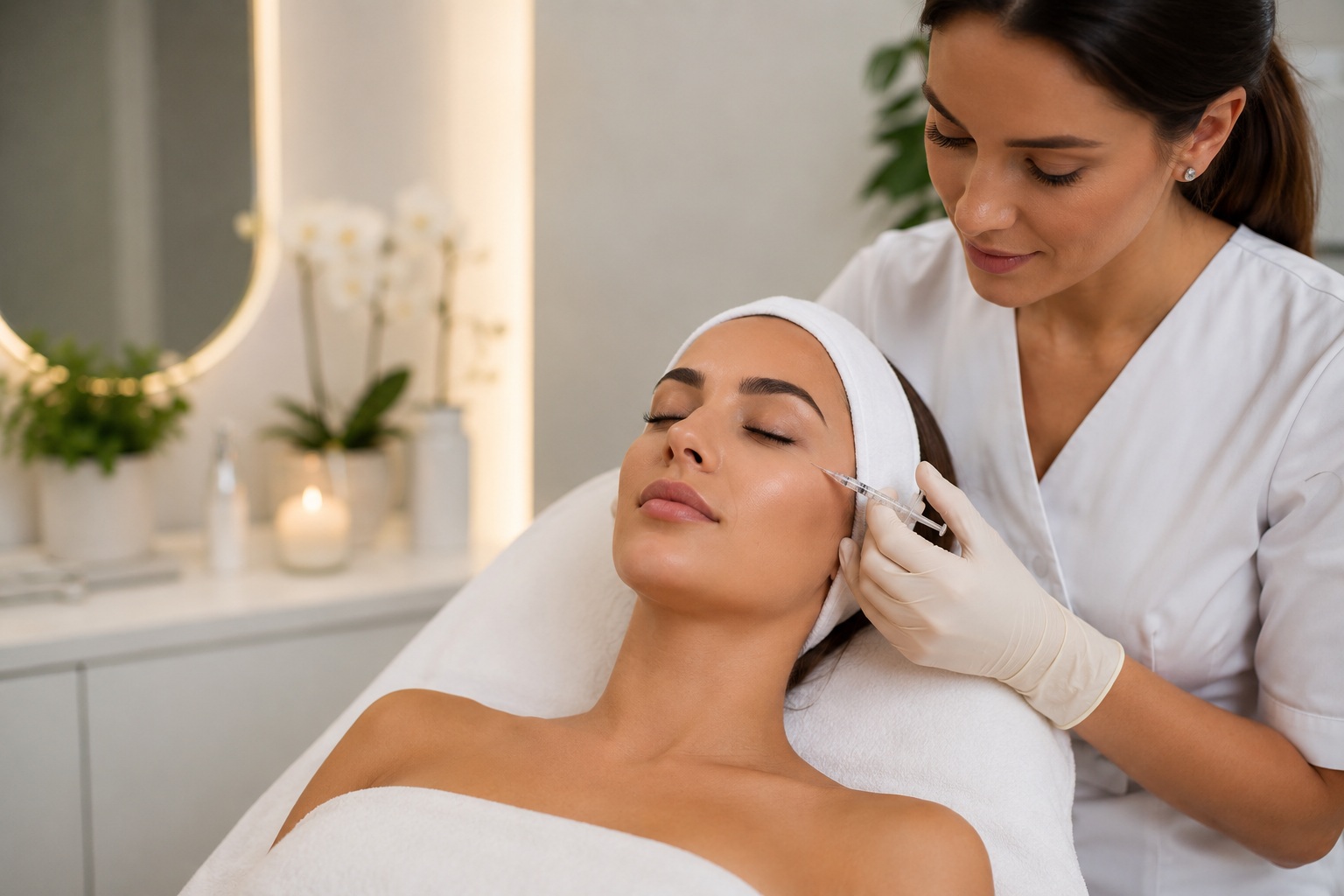
Learn what to expect from a cosmetic consultation, including safety, informed consent, practitioner qualifications, TGA-approved products, risks, realistic results and aftercare.
Non-urgical cosmetic treatments have become an increasingly discussed option for people looking to address concerns such as facial lines, loss of volume, skin quality and facial definition. While these treatments may appear straightforward, cosmetic injectables are medical procedures and should always begin with a proper consultation with an appropriately qualified health practitioner.
A consultation is more than simply choosing a treatment. It is an opportunity to discuss your goals, medical history, suitability, potential risks, alternatives, expected results and aftercare. It also gives you time to ask questions and decide whether treatment is right for you.
For anyone considering cosmetic treatments in Melbourne, understanding what happens during this process can help you make a more informed and confident decision.
A professional consultation should be personalised to your circumstances rather than based solely on the treatment you have requested.
The practitioner may begin by discussing your cosmetic concerns and what you hope to achieve. They can then assess the relevant areas and consider whether treatment is appropriate.
A consultation may include:
This process helps ensure that treatment decisions are based on your individual circumstances rather than trends, social media images or pressure to proceed.
Your medical history can influence whether a particular cosmetic procedure is suitable.
During a consultation, you should provide accurate information about relevant health conditions, allergies, previous cosmetic treatments and medicines or supplements you take. Some medicines may affect bruising or bleeding, while previous procedures may influence how a practitioner assesses the treatment area.
Pregnancy, breastfeeding, allergies, active skin conditions and other individual circumstances may also need to be considered depending on the procedure.
You should never feel that you need to withhold medical information simply because the treatment is cosmetic. Complete information allows the practitioner to make a more appropriate clinical assessment.
Informed consent is an important part of cosmetic care.
Before proceeding, you should receive enough information to understand what is being proposed, why it may be appropriate, what alternatives exist and what risks may be involved.
You should have an opportunity to ask questions and consider your decision rather than feeling pressured to proceed immediately.
For injectable treatments, it is also reasonable to ask what type of product is being proposed, why it has been recommended, who will prescribe it, who will administer it and what follow-up support will be available.
A good consultation should make you feel informed—not rushed.
All medical procedures involve some level of risk, and cosmetic injectables are no exception.
Depending on the treatment, temporary effects may include redness, swelling, tenderness, bruising or discomfort. More significant complications can also occur, particularly when injectable products are administered incorrectly.
Dermal filler procedures, for example, can carry serious risks if a product is accidentally injected into a blood vessel. The TGA warns that incorrect cosmetic injections can potentially result in serious harm, including skin damage and, in rare circumstances, blindness.
This is why practitioner experience, appropriate training, knowledge of facial anatomy and proper clinical assessment are important considerations.
A consultation should cover both the expected benefits and the possible risks—not just the potential cosmetic outcome.
One of the most important decisions is choosing who will assess and perform your treatment.
In Australia, consumers can check registered health practitioners through the Australian Health Practitioner Regulation Agency (AHPRA). You should also ask about the practitioner’s experience and training relevant to the procedure you are considering.
Do not assume that a practitioner is suitably qualified simply because a treatment is advertised online.
Be cautious of providers who:
Your safety should always come before price or convenience.
Product safety is another important consideration.
Where cosmetic injectable products are used, consumers should ask appropriate questions about the product and whether it is included on the Australian Register of Therapeutic Goods (ARTG), where applicable.
The TGA advises consumers to research the products used and to be alert to counterfeit or illegally imported products.
It is important to understand that TGA approval applies to regulated therapeutic goods, not to a cosmetic clinic or an individual cosmetic treatment as a whole. The appropriate product and its authorised use should be discussed with the relevant health practitioner.
Patients should never purchase injectable medicines from questionable online sources or attempt to arrange treatment using products of uncertain origin.
A professional consultation should not assume that treatment is automatically necessary.
Depending on your concerns, your practitioner may discuss different approaches, including alternative procedures, skincare strategies, delaying treatment or choosing no treatment at all.
For example, someone concerned about facial lines may have different options depending on whether the concern is related primarily to muscle movement, skin quality, volume or another factor.
The right approach depends on individual assessment.
Cosmetic treatments should be approached with realistic expectations.
No treatment can guarantee a particular appearance, and results can vary according to factors such as anatomy, age, skin characteristics, lifestyle and the treatment itself.
Some procedures produce temporary results and may require maintenance or repeat treatment. Others may involve a period of swelling or settling before the final result can be properly assessed.
A responsible practitioner should explain what the treatment can and cannot realistically achieve.
If a provider promises perfection or guarantees a particular result, consider this a warning sign.
The consultation should also cover what happens after treatment.
Ask what aftercare instructions you will receive, what temporary effects may be expected, when follow-up may be required and who you should contact if you experience an unexpected reaction.
Written aftercare information can be particularly useful because it gives you something to refer back to after leaving the clinic.
You should also know when symptoms require prompt or urgent medical attention. Do not assume that every post-treatment symptom is normal.
At Outlook Drive Compounding Pharmacy, we believe that informed decisions and professional guidance are important parts of cosmetic care.
Located in Dandenong North, Melbourne, our team can help patients understand the consultation and pharmacy aspects of their care and provide appropriate information about medicines and compounded preparations where prescribed.
Our approach is centred on personalised care rather than a one-size-fits-all solution. We encourage patients to discuss their individual circumstances with an appropriately qualified practitioner and to ask questions before proceeding with any cosmetic treatment.
For patients considering cosmetic procedures, understanding the consultation process can help make the experience clearer and more informed.
Before proceeding, consider asking:
Taking the time to ask these questions can help you make a decision based on information rather than pressure.
A cosmetic consultation should ultimately be about your health, safety and individual goals.
Whether you are considering treatment for facial lines, volume loss, facial definition or skin concerns, professional assessment should come before treatment. Understanding the risks, alternatives, expected results, practitioner qualifications, product information, consent process and aftercare can help you approach cosmetic procedures more responsibly.
For patients in Melbourne and Dandenong North, Outlook Drive Compounding Pharmacy is committed to supporting personalised healthcare and helping patients better understand the medication and pharmacy aspects of their care.
Cosmetic treatment is a personal decision. Take your time, ask questions, verify credentials and make sure you understand both the potential benefits and risks before deciding whether treatment is right for you.
This article is provided for general educational purposes only and does not replace individual medical advice. Cosmetic procedures should be discussed with an appropriately qualified and registered health practitioner. Product suitability, treatment options and risks vary between individuals.