Physical Address
304 North Cardinal St.
Dorchester Center, MA 02124
Physical Address
304 North Cardinal St.
Dorchester Center, MA 02124

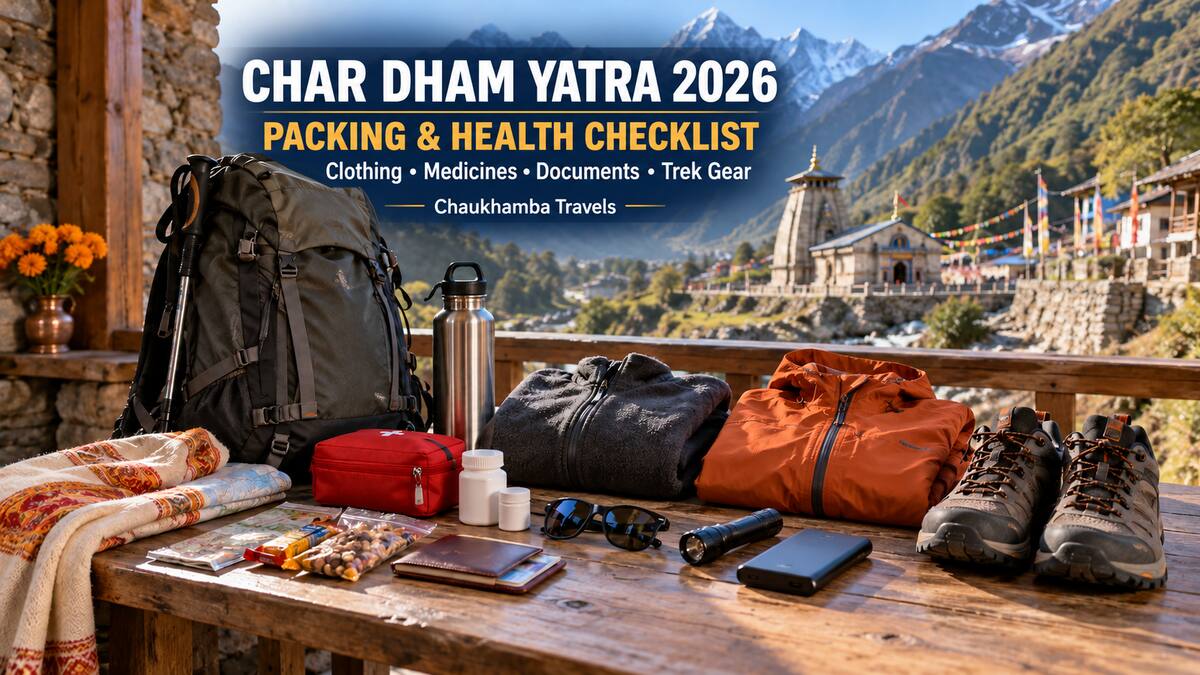
The Char Dham Yatra is a spiritually significant journey through the Himalayan region of Uttarakhand. It covers Yamunotri, Gangotri, Kedarnath and Badrinath—four sacred temples located across different mountain valleys and elevations.
While the pilgrimage is deeply rewarding, it also involves long road journeys, changing weather, high-altitude locations and trekking sections. Packing thoughtfully and preparing for the physical demands of the route can make the journey safer and more comfortable.
Here is a practical checklist for travellers planning the Char Dham Yatra in 2026.
The traditional Char Dham route generally begins from Haridwar or Rishikesh and continues towards Barkot, Yamunotri, Uttarkashi, Gangotri, Guptkashi, Kedarnath and Badrinath before returning to Rishikesh or Haridwar.
Although some distances may appear short on a map, travelling through the mountains takes considerably longer than travelling on plains. Road conditions, traffic, weather and temporary restrictions can affect the daily schedule.
The complete pilgrimage generally requires around 10 to 12 days. Travellers should compare the route, hotel arrangements, meals, transport and exclusions before selecting a package. Those beginning their research can review this detailed option for planning a complete Char Dham Yatra in 2026.
Temperatures can vary significantly between Haridwar and the higher pilgrimage locations. A warm afternoon can quickly turn into a cold evening, particularly around Kedarnath and Badrinath.
Pack clothing that can be worn in layers:
Thermal innerwear
Full-sleeve T-shirts
Warm sweater or fleece jacket
Windproof outer jacket
Waterproof raincoat or poncho
Comfortable trousers
Warm cap and gloves
Extra socks
Lightweight scarf or stole
Layered clothing is more practical than carrying one extremely heavy jacket because travellers can add or remove layers as conditions change.
Suitable footwear is essential for the Yamunotri and Kedarnath trekking sections. New shoes should not be worn for the first time during the journey because they may cause blisters.
Choose shoes with:
Good grip
Comfortable cushioning
Ankle support
Water-resistant material
A properly tested fit
Carry an additional pair of lightweight slippers or sandals for hotel use. Extra socks and a small packet of blister pads can also be useful.
Large suitcases should remain at the hotel or in the vehicle when possible. Carry a small, comfortable backpack during trekking sections.
The day bag may include:
Water bottle
Light snacks
Rain poncho
Warm layer
Personal medicines
Identity document
Registration details
Mobile phone and power bank
Small torch
Tissues and hand sanitiser
Basic first-aid supplies
Avoid overpacking the trekking bag. Carrying unnecessary weight can make the climb more difficult.
Travellers who take regular medicines should carry enough for the complete trip, along with a few additional doses in case the journey is delayed. Keep medicines in their original packaging and carry the doctor’s prescription.
Before travelling, people with heart conditions, respiratory problems, diabetes, blood-pressure concerns or limited mobility should consult a qualified medical professional.
A basic personal health kit may contain:
Regular prescription medicines
Adhesive bandages
Antiseptic wipes
Oral rehydration solution
Pain-relief medicine recommended by a doctor
Motion-sickness medicine recommended by a doctor
Blister pads
Thermometer
Face masks
Do not begin unfamiliar medication solely based on general travel advice. Medical requirements vary from one person to another.
Some locations on the Char Dham circuit are situated at high elevations. Travellers may experience fatigue, headache, nausea, dizziness or breathlessness.
Walking slowly, remaining hydrated and allowing enough time to rest may help the body adjust. Travellers should not ignore severe or worsening symptoms.
Seek medical assistance if someone experiences:
Severe breathlessness while resting
Chest discomfort
Confusion
Difficulty walking normally
Persistent vomiting
Fainting
A severe or worsening headache
Never force an unwell traveller to continue only to maintain the itinerary.
Char Dham registration requirements should be checked through official Uttarakhand government channels before departure.
Keep printed and digital copies of:
Government-issued photo identification
Yatra registration confirmation
Hotel booking details
Transport details
Emergency contact numbers
Medical prescriptions
Travel insurance information, if applicable
Ensure that the information entered during registration matches the identity document.
Drink water regularly during the journey, but avoid consuming water from an uncertain source. Carry a reusable bottle and refill it with safe drinking water.
Simple, freshly prepared meals are generally easier to manage during mountain travel. Avoid overeating before long drives or trekking. Dry fruits, biscuits, energy bars and other light snacks can be carried for the road.
Travellers with dietary restrictions should inform the tour organiser and hotels in advance. However, options may be limited in remote locations, so carrying a few suitable packaged snacks is sensible.
Mobile connectivity may be inconsistent in remote areas. Download important documents and contact details before leaving locations with reliable internet access.
Useful accessories include:
Fully charged power bank
Charging cables
Small torch
Waterproof mobile cover
Sunglasses
Sunscreen
Lip balm
Compact umbrella
Luggage identification tags
Keep electronics protected from rain and avoid relying entirely on online documents.
Senior citizens should follow a relaxed itinerary with adequate breaks. Their room location, walking distance from the vehicle and access to basic facilities should be discussed before booking.
Families should avoid unnecessary night travel and extremely early departures on consecutive days. One family member should keep a list of medicines, medical conditions and emergency contacts.
Ponies, palkis and other locally available assistance may be considered for trekking sections. Availability, prices and operating rules should always be confirmed through authorised local channels.
Travellers should avoid:
Carrying excessively heavy luggage
Wearing completely new trekking shoes
Ignoring official weather advisories
Booking through unverified social-media accounts
Starting treks too late in the day
Continuing despite serious health symptoms
Assuming that every hotel will offer city-style facilities
Creating an itinerary without any flexibility
Mountain conditions can change quickly, so local administrative and safety instructions should always take priority.
A successful Char Dham Yatra depends on more than booking hotels and transport. Appropriate clothing, comfortable footwear, required documents, health preparation and a realistic itinerary are equally important.
Pack lightly but carefully, verify current travel requirements and allow enough time for rest. Thoughtful preparation can help travellers focus on the spiritual experience of visiting Yamunotri, Gangotri, Kedarnath and Badrinath without unnecessary travel stress.