Physical Address
304 North Cardinal St.
Dorchester Center, MA 02124
Physical Address
304 North Cardinal St.
Dorchester Center, MA 02124

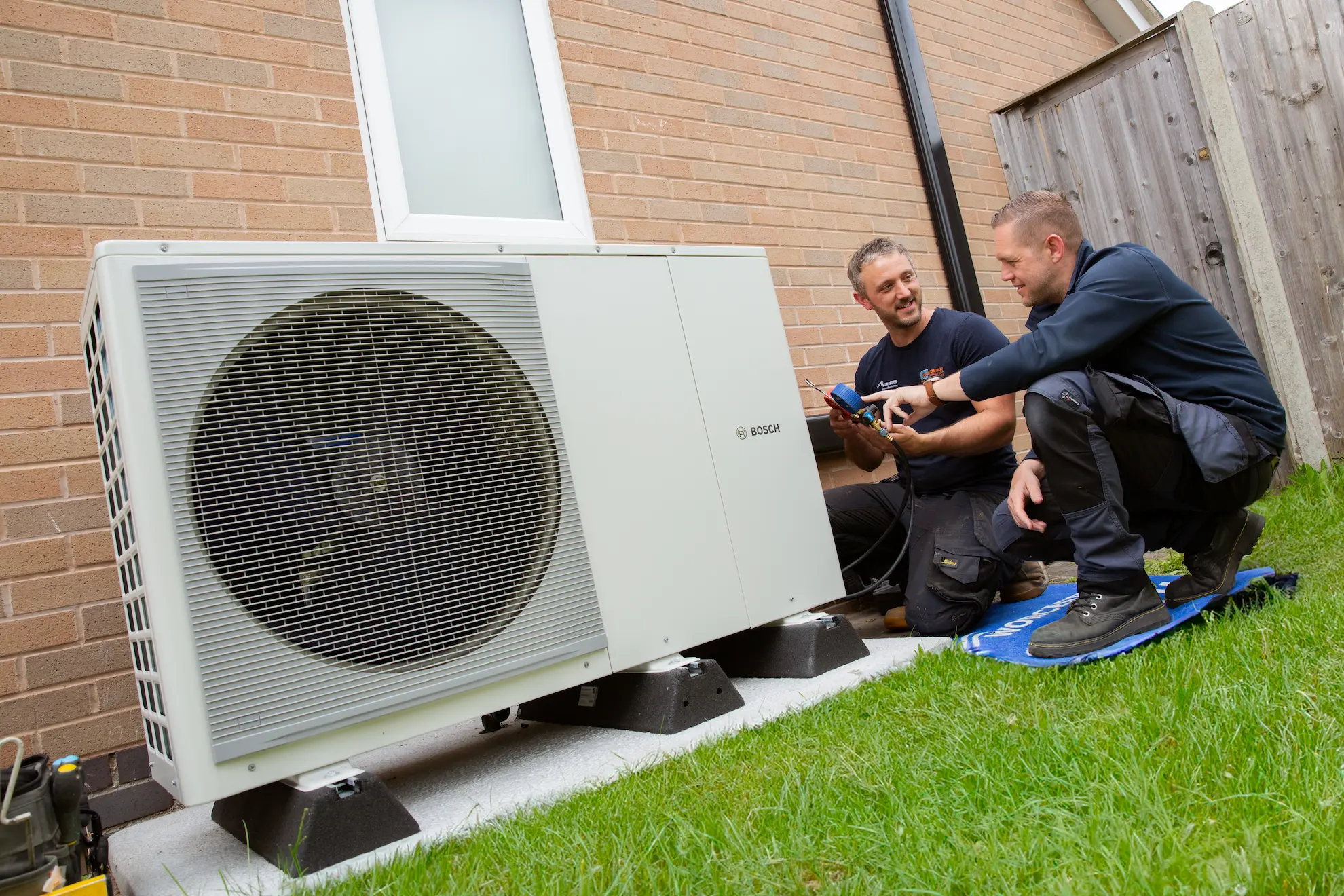
Yes. Heat pumps are one of the main technologies supported by the Boiler Upgrade Scheme (BUS) in England and Wales.
Yes. Heat pumps are one of the main technologies supported by the Boiler Upgrade Scheme (BUS) in England and Wales. The scheme provides an upfront contribution towards the cost of installing an eligible heat pump, making the switch from conventional heating more affordable.
For most eligible installations, the grant is £7,500 for an air-to-water heat pump or ground source heat pump. An eligible off-gas-grid property replacing an oil or LPG heating system can receive up to £9,000 for an air-to-water or ground source heat pump until 31 March 2027.
However, having a heat pump does not automatically mean you qualify. The property, existing heating system, heat pump and installation must all meet the scheme’s requirements.
The Boiler Upgrade Scheme supports several types of heat pump, although the grant amount depends on the technology.
An air-to-water heat pump can qualify for a £7,500 grant in standard circumstances. Ground source heat pumps, including water source systems and systems connected to shared ground loops, can also qualify for £7,500.
Air-to-air heat pumps are covered too, but the grant is lower at £2,500 and this technology is only eligible in residential properties.
The scheme does not cover every possible heat pump arrangement. For example, a hybrid system that combines a fossil fuel boiler with a heat pump is not eligible under the standard BUS rules.
The amount available depends mainly on the type of heat pump and the property.
| Heat Pump Type | Standard BUS Grant |
|---|---|
| Air-to-water | £7,500 |
| Ground source | £7,500 |
| Air-to-air | £2,500 |
| Air-to-water in eligible off-gas-grid oil/LPG property | £9,000 |
| Ground source in eligible off-gas-grid oil/LPG property | £9,000 |
The £9,000 amount is particularly relevant to rural households that rely on heating oil or LPG. To receive the uplift, the property must be off the gas grid and the existing heating system must be oil or LPG. The higher amount applies from 21 July 2026 until 31 March 2027.
The grant is not normally paid directly to the homeowner. Instead, the MCS-certified installer applies for the BUS voucher and passes the full grant value to the property owner as an upfront deduction from the installation price.
The basic eligibility test is fairly straightforward. You generally need to own the property and replace an existing fossil fuel or electric heating system with an eligible low-carbon heating system.
BUS can apply to residential and certain non-residential properties in England and Wales. This includes owner-occupied homes, rented properties and second homes. Some non-residential buildings can also qualify for air-to-water or ground source heat pumps.
There are important exclusions, though. Social housing is not eligible, while most new-build properties are excluded apart from certain qualifying self-build homes. A property that has already received public funding towards the purchase or installation of a low-carbon heating system may also be excluded.
Yes. BUS is designed primarily to support the replacement of existing fossil fuel or electric heating.
That can include systems using gas, oil, LPG or electricity. However, the scheme cannot be used to replace an existing low-carbon heating system such as a heat pump.
This distinction is important if you are researching a government grant for air source heat pump options or comparing different ways to fund a heating upgrade. The grant is intended to support the move towards low-carbon heating, rather than subsidise repeated replacement of an already low-carbon system.
Your installer should assess the existing heating system before confirming whether the proposed installation meets BUS requirements.
The property is only part of the eligibility assessment. The heat pump itself and the way it is installed must also meet specific technical requirements.
For example, an eligible heat pump must be appropriately sized to meet the property’s full space-heating requirements. The system must also be capable of meeting the property’s space-heating and hot-water needs, either independently or with an eligible supplementary heating appliance.
Air-to-water and ground source heat pumps must also meet a minimum seasonal coefficient of performance (SCOP) of 2.8.
The system has to meet the relevant technical standards, and the installer is responsible for ensuring the installation satisfies the BUS requirements. Being listed on the Ofgem Product Eligibility List alone does not guarantee that the complete installation qualifies.
This is one reason it is worth discussing the proposed system with an experienced installer rather than selecting a heat pump purely because the product appears on an eligibility list.
BUS is an installer-led scheme. Homeowners do not normally submit the grant application independently.
The installer must be certified under the Microgeneration Certification Scheme (MCS) for the relevant technology. They assess the property, agree the quotation with the homeowner and submit the BUS voucher application on the owner’s behalf.
The grant should appear as a deduction in the quotation before the installation takes place. It should also be shown on the final invoice.
When comparing quotes, therefore, look at the price after the applicable BUS grant rather than assuming that every advertised installation price includes the same level of support.
Once the BUS application has been properly made, the installation has to meet the scheme’s timing requirements.
The heat pump must be commissioned within 120 days of the grant application. If the relevant deadline is missed, the installation may not qualify for the grant.
This makes it sensible to discuss installation dates before agreeing to a quotation. Your installer should explain the application and installation timetable and make sure the project remains within the scheme rules.
For a homeowner replacing an older fossil fuel heating system, the grant can make the financial side of installing a heat pump considerably more manageable.
But the grant should not be the only factor in the decision. A heat pump works differently from a conventional boiler, so the suitability of the property matters. The installer should consider the home’s heat demand, existing radiators, hot-water arrangements, controls, insulation and available space before recommending a system.
A lower installation price is not necessarily the better option if important work has been left out of the quotation. It is more useful to compare complete proposals and understand exactly what equipment and installation work each price includes.
The process starts by finding an MCS-certified installer that works with the Boiler Upgrade Scheme. The installer can assess your property and confirm whether the proposed heat pump is likely to meet the scheme requirements.
If you proceed, the installer agrees the quotation with you and applies for the BUS voucher on your behalf. The eligible grant is then deducted from the amount you need to pay.
Before committing, check that the quotation clearly identifies the grant deduction and the remaining installation cost.
Heat pumps are firmly within the scope of the Boiler Upgrade Scheme. Eligible homeowners can currently receive £7,500 towards an air-to-water or ground source heat pump, while qualifying off-gas-grid properties replacing oil or LPG heating can receive up to £9,000 until 31 March 2027.
Eligibility depends on more than simply owning a property and wanting a heat pump. The existing heating system, property type, equipment, installation standards, and installer certification all matter.
If you are comparing boiler upgrade grants, start by checking your eligibility and obtaining a detailed quotation from an MCS-certified installer. That gives you a clearer picture of both the grant available and the actual cost of making the switch.