Physical Address
304 North Cardinal St.
Dorchester Center, MA 02124
Physical Address
304 North Cardinal St.
Dorchester Center, MA 02124

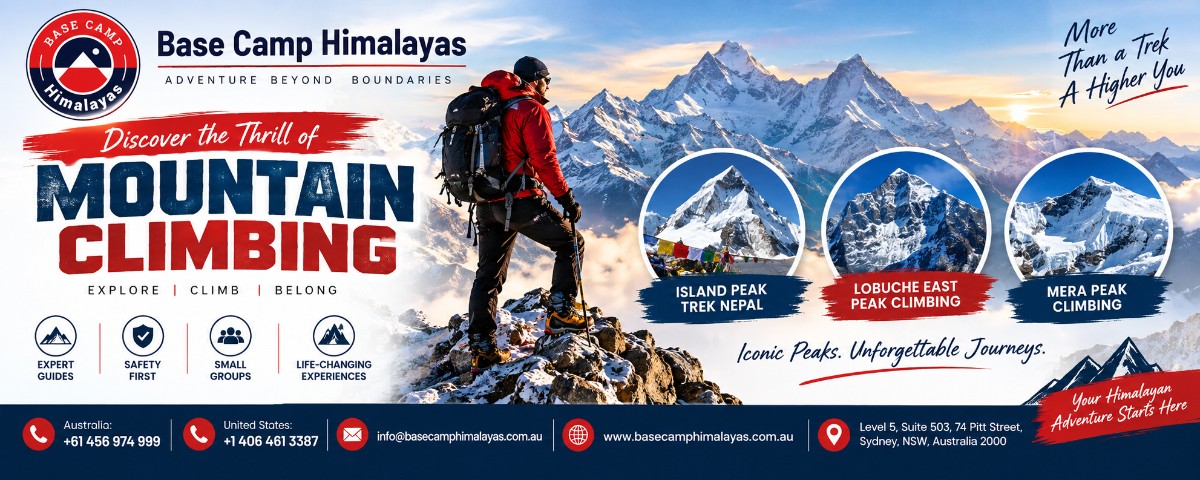
Mountain climbing can be one of the most rewarding outdoor experiences you can undertake. It combines physical endurance, practical skills, careful planning, and the ability to make sensible decisions in changing environments. But reaching a mountain summit is not simply about being fit. Beginners also need to understand altitude, weather, equipment, navigation, acclimatisation, and the importance of knowing when to turn back.
Whether you are preparing for your first high-altitude adventure or considering a Himalayan peak, the right preparation can make the difference between a memorable experience and an unnecessarily difficult one. This guide explains the fundamentals you should know before getting started.
What Is Mountain Climbing?
Mountain climbing involves ascending mountainous terrain, ranging from straightforward trekking routes to technically demanding peaks requiring ropes, crampons, ice axes, and specialised climbing techniques.
The level of difficulty varies considerably. A beginner-friendly trek may involve established trails and basic hiking skills, while a peak expedition can require glacier travel, rope systems, snow and ice climbing, and experience at high altitude.
For that reason, beginners should choose an objective that matches their current fitness, experience, and technical ability rather than selecting a mountain solely because of its height.
Essential Skills Every Beginner Should Develop
Build Endurance and Strength
Good cardiovascular fitness is fundamental. Long days at altitude can involve several hours of walking with a backpack, often over uneven terrain and steep slopes.
Training should combine:
Start training several weeks or months before your trip and increase the workload gradually.
Learn Basic Mountain Techniques
Technical climbing should be learned through qualified instruction rather than online guides alone. Depending on the route, useful skills can include using crampons, handling an ice axe, moving safely on snow, rope management, belaying, and recognising hazards.
Navigation is equally important. Learn how to read a map and use a compass, GPS device, or reliable navigation application. Even if you are travelling with guides, understanding your surroundings gives you greater independence and awareness.
Understand Acclimatisation
Altitude is one of the biggest challenges for people coming from lower elevations. Your body needs time to adapt to reduced oxygen availability.
A sensible itinerary generally incorporates gradual altitude gain, rest days, adequate hydration, and appropriate pacing. Symptoms such as persistent headache, unusual fatigue, dizziness, nausea, confusion, or difficulty breathing should never be ignored.
The key principle is simple: if altitude-related symptoms are getting worse, descending is more important than reaching the summit.
Equipment: What Should a Beginner Carry?
The exact equipment depends on the mountain, season, route, and whether the trip is trekking or technical climbing. However, several categories are essential.
Clothing
Use a layering system rather than relying on one heavy jacket. A typical setup includes a moisture-wicking base layer, insulating mid-layer, and waterproof or windproof outer shell.
You should also carry suitable gloves, warm socks, a hat, sunglasses, and sun protection. Conditions can change quickly at altitude.
Footwear
Proper footwear is critical. Trekking boots should provide support, traction, and enough room for comfortable movement. Technical peaks may require mountaineering boots compatible with crampons.
Never rely on brand-new footwear for a major expedition. Break it in beforehand.
Essential Safety Equipment
Depending on the objective, equipment may include:
Technical equipment should be used only after receiving proper instruction.
Preparing for a Himalayan Climbing Adventure
The Himalayas provide an enormous range of trekking and climbing opportunities, from relatively accessible trekking peaks to serious mountaineering objectives.
For example, the island peak trek nepal route is associated with Island Peak, a popular Himalayan climbing objective that combines trekking with introductory mountaineering challenges. Similarly, Lobuche East Peak climbing requires preparation for higher-altitude conditions and technical sections.
Another well-known objective is Mera Peak climbing, often considered a suitable progression for experienced trekkers who want to gain high-altitude peak experience. However, “suitable for beginners” should never be interpreted as “easy.” Fitness, acclimatisation, weather awareness, and technical preparation remain essential.
An experienced operator such as Base Camp Himalayas can also help travellers understand route logistics, equipment requirements, acclimatisation schedules, and the practical realities of climbing in the region.
Safety Should Always Come Before the Summit
Mountain environments are unpredictable. Weather can deteriorate rapidly, visibility can disappear, and terrain that looks manageable from a distance can become hazardous.
Before setting out, check the forecast and understand the route. Inform someone about your itinerary and expected return time. Carry enough food, water, clothing, and emergency supplies for unexpected delays.
Know When to Turn Around
One of the most important climbing skills is making conservative decisions.
A summit is optional; getting safely back down is not.
Turn around if weather conditions deteriorate, you are experiencing concerning altitude symptoms, your equipment becomes unsafe, or the route is beyond your ability. Experienced climbers understand that retreating is sometimes the smartest decision of the day.
Nutrition, Hydration and Recovery
High-altitude activity consumes significant energy. Eat regular meals and carry easily accessible snacks such as nuts, energy bars, dried fruit, or other foods you tolerate well.
Hydration is equally important. Drink consistently rather than waiting until you become very thirsty. Cold conditions can make people forget to drink, while exertion and dry mountain air can increase fluid loss.
Sleep and recovery also matter. Do not underestimate the physical impact of consecutive days of climbing.
How Beginners Can Prepare More Effectively
A good preparation strategy starts with choosing the right objective.
Consider:
If you have never climbed before, start with progressively harder hikes and consider professional mountaineering instruction before attempting a technical peak.
Preparation should also include testing your clothing, boots, backpack, sleeping system, and other equipment before departure. Discovering that your boots cause blisters on summit day is not the time to discover a problem.
Frequently Asked Questions
Is mountain climbing suitable for complete beginners?
Some climbing and trekking objectives are suitable for beginners, but technical peaks require additional training. Beginners should start with an appropriate route and preferably gain experience through guided trips and formal instruction.
How fit do I need to be for a Himalayan climb?
You should have good cardiovascular endurance, strong legs, and the ability to walk for several hours while carrying a daypack. Fitness requirements increase substantially with altitude and technical difficulty.
What equipment is essential for climbing a Himalayan peak?
Requirements vary by mountain. Trekking equipment may include boots, layered clothing, a sleeping bag, backpack, headlamp, and trekking poles. Technical objectives can additionally require crampons, an ice axe, harness, helmet, ropes, and other climbing equipment.
Is acclimatisation really necessary?
Yes. Acclimatisation gives your body time to adjust to high altitude and is an important part of responsible Himalayan travel. A well-designed itinerary should include appropriate altitude gains and rest periods.
Can I climb a Himalayan peak without previous mountaineering experience?
It depends on the peak and your preparation. Some trekking peaks can provide an introduction to mountaineering when undertaken with appropriate training and professional support. Base Camp Himalayas, for example, can help climbers understand the preparation and logistical requirements involved in Himalayan peak trips.
What is the most important rule for a beginner climber?
Put safety ahead of the summit. Weather, altitude, fatigue, and terrain can change quickly. Being willing to turn around is a sign of good judgement, not failure.
Conclusion
Mountain climbing rewards preparation, patience, and respect for the environment. For beginners, success should not be measured solely by reaching the summit. Learning to move safely, recognise hazards, manage your energy, respond to changing conditions, and make responsible decisions is equally important.
Start with achievable objectives, develop your fitness gradually, learn essential mountain skills, invest in appropriate equipment, and seek professional guidance when the route demands technical expertise. With thoughtful preparation and a safety-first mindset, your first climbing adventure can become the foundation for many more rewarding experiences in the mountains.