Physical Address
304 North Cardinal St.
Dorchester Center, MA 02124
Physical Address
304 North Cardinal St.
Dorchester Center, MA 02124

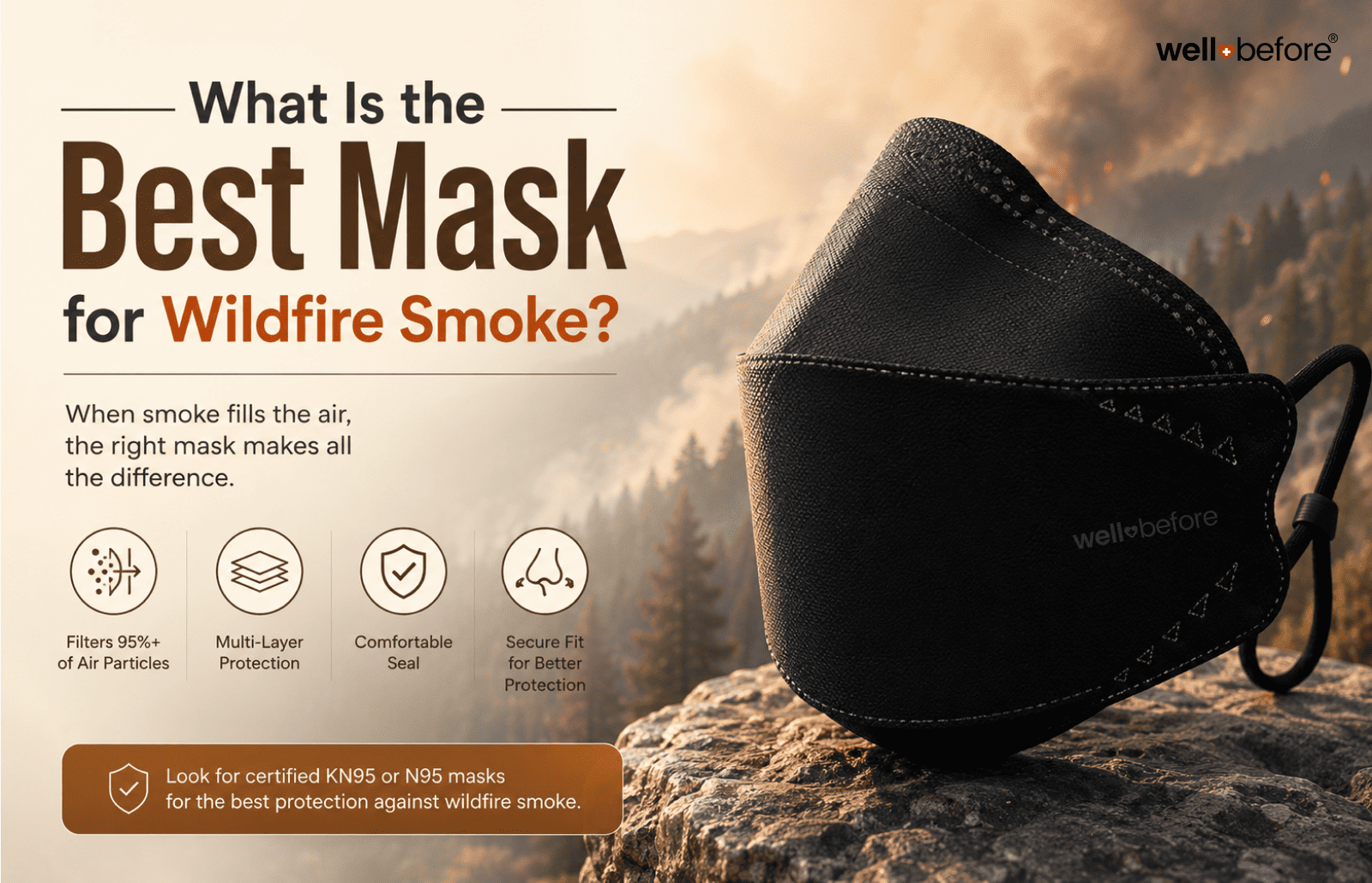
Wildfire season has become an annual reality for many communities across the United States. Even if a fire burns hundreds of miles away, smoke can travel long distances and dramatically reduce air quality.
When smoke fills the air, many people wonder whether their regular face mask offers enough protection. The answer depends on the type of mask they wear.
While some masks block larger particles and debris, wildfire smoke contains microscopic particles that require a higher level of filtration. Choosing the right mask can help reduce exposure and make outdoor activities safer during periods of poor air quality.
Many people think of wildfire smoke as another form of dust, but the two behave very differently.
Dust particles are generally larger and heavier. Wildfire smoke contains a mixture of gases, ash, and extremely fine airborne particles that can remain suspended in the air for hours or even days.
These particles travel through neighborhoods, enter buildings, and spread far beyond the active fire zone. As a result, you may breathe them in even when you cannot see visible smoke.
Because of this, health officials often recommend limiting outdoor exposure and wearing a high-filtration respirator whenever air-quality alerts are in effect.
The biggest concern during wildfire events is fine particulate matter, known as PM2.5.
These particles measure 2.5 microns or smaller and can travel deep into the respiratory system when inhaled. Exposure may cause coughing, throat irritation, eye discomfort, shortness of breath, and worsening symptoms for people with respiratory conditions.
Protecting yourself from PM2.5 requires more than a basic face covering. A properly fitted respirator, such as a WellBefore N95 mask, can help filter these fine airborne particles and provide a higher level of protection during smoke events.
Cloth masks may block larger particles, but they do not provide the filtration efficiency needed for wildfire smoke.
The issue is not only the material. Smoke particles often enter through gaps around the nose, cheeks, and chin. Even thick fabric masks can allow fine particles to pass through the material or around the edges.
For wildfire smoke, experts generally recommend respirator-style masks that combine high filtration with a secure facial seal.
That is why many people switch from cloth masks to N95 or KN95 respirators when air quality begins to decline.
Both N95 and KN95 masks can help reduce exposure to wildfire smoke when they fit properly.
N95 masks often provide the strongest seal because they use headbands rather than ear loops. This design helps keep the mask firmly in place and minimizes air leakage around the edges.
For prolonged outdoor exposure, many people choose WellBefore N95 masks because they combine strong filtration performance with a secure fit.
KN95 masks can also provide reliable protection and often feel more comfortable for daily use. Many users prefer WellBefore KN95 masks for errands, commuting, school drop-offs, or shorter periods outdoors because the ear-loop design makes them easy to wear throughout the day.
The best mask is ultimately the one that fits your face correctly and remains comfortable enough to wear consistently.
A high-quality mask only works when it fits properly.
You should look for the following signs:
If your glasses fog excessively or you feel air escaping near your eyes, you may need to adjust the fit.
Many WellBefore respirators include adjustable nose pieces that help create a closer seal and improve overall performance during extended wear.
Many people wait until the sky looks hazy before thinking about protection. By then, local supplies may already be limited.
Keeping a supply of WellBefore masks can help you prepare before the air quality worsens.
Even a highly rated respirator cannot perform effectively if large gaps exist around the edges.
Stretched straps, worn nose bridges, and visible damage can affect both comfort and performance.
Lightweight face coverings may feel comfortable, but they often fail to filter the fine particles found in wildfire smoke.
Many people focus entirely on filtration ratings while overlooking fit. In real-world conditions, fit plays an equally important role in protection.
Wildfire smoke often increases demand for respirators, making it important to buy from a trusted source.
Look for companies that provide clear product information, transparent manufacturing standards, and a range of sizing options.
WellBefore specializes in respiratory protection and offers both N95 and KN95 masks designed for everyday wear, travel, workplace use, and seasonal air-quality concerns. Having access to multiple styles allows you to choose the option that best matches your comfort preferences and level of exposure.
Purchasing from a reputable supplier also helps ensure that the mask you receive performs as expected when you need it most.
Wildfire smoke presents a unique challenge because it contains fine airborne particles that can travel deep into the respiratory system.
Cloth masks and basic face coverings often fall short during smoke events, which is why many health experts recommend respirator-style protection instead.
Whether you choose an N95 or KN95 mask, the most important factors are filtration, fit, and consistent wear. By selecting a high-quality option from a trusted provider like WellBefore, you can better protect yourself and your family when wildfire smoke affects your community.
A quick note: this article is for general information and isn’t medical advice. During smoke events, follow your local air-quality alerts and official guidance, and remember a mask works best as one part of staying safe. If you have a respiratory condition, it’s worth checking with a healthcare professional about what’s right for you.