Physical Address
304 North Cardinal St.
Dorchester Center, MA 02124
Physical Address
304 North Cardinal St.
Dorchester Center, MA 02124

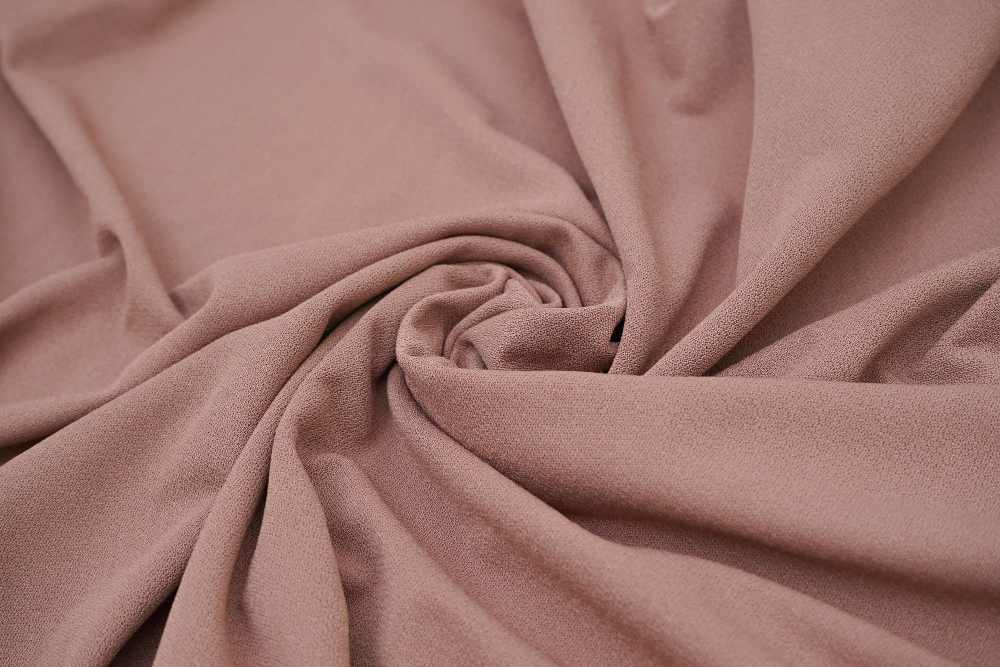
Global buyers should check certifications (ISO, OEKO-TEX, GOTS), production capacity, sustainability practices, pricing transparency, and sample quality before choosing a viscose fabric supplier in India. Verify business registration, request test reports, and inspect quality before placing bulk orders to avoid costly sourcing mistakes.
Global demand for viscose fabric keeps climbing, and India has become one of the top suppliers in this space. Its mix of skilled manufacturing, established textile infrastructure, and competitive pricing makes it a natural choice for fashion brands and home textile companies sourcing at scale.
But not every viscose fabric supplier operates at the same standard. Some cut corners on quality control. Others lack the certifications that international buyers require. A wrong choice can mean delayed shipments, inconsistent fabric quality, or compliance issues that affect an entire product line.
This guide breaks down what to look for when evaluating a viscose fabric supplier in India, the warning signs to watch out for, and the steps to take before committing to bulk orders.
Viscose fabric is a semi-synthetic material made from cellulose, typically sourced from wood pulp. Manufacturers dissolve the cellulose into a viscous solution, then push it through spinnerets to form fibers. Those fibers get spun into yarn and woven or knitted into fabric.
The result is a soft, breathable material that drapes well and mimics the feel of natural fibers like silk or cotton, but at a lower cost.
Viscose fabric shows up across multiple industries:
India has a long-standing textile manufacturing base, access to raw materials, and a large pool of skilled labor. These factors keep production costs competitive without sacrificing output volume. Many Indian mills also offer customization, including dyeing, printing, and finishing, which appeals to brands looking for flexibility in fabric sourcing.
Choosing the right partner for viscose fabric wholesale takes more than comparing price quotes. Buyers need to assess the supplier’s operational reliability and product consistency.
Certifications confirm that a supplier follows recognized production and safety standards. Look for:
A supplier without any of these credentials may still produce usable fabric, but the risk of inconsistency rises significantly.
Ask about monthly production capacity and average lead times. A supplier that works well for small boutique orders may not have the infrastructure to handle a large seasonal order. Mismatched capacity leads to missed deadlines and rushed production, which often lowers fabric quality.
Buyers increasingly need to show that their supply chain meets environmental standards. Ask suppliers about:
Choose a supplier with documented sustainability practices if the end brand markets itself on environmental responsibility. For buyers with fewer sustainability requirements, this factor carries less weight but still affects long-term brand reputation.
A reliable viscose fabric supplier provides a clear cost breakdown, covering raw material costs, dyeing or printing charges, and shipping. Ask about minimum order quantities (MOQs) upfront, since MOQs vary widely between mills and can affect overall project budgets.
Request fabric samples before committing to a bulk order. A supplier that hesitates to send samples, or charges excessively for them, may not be confident in their own product consistency. Customization options, such as specific weights, finishes, or print designs, also indicate a more flexible manufacturing setup.
Certain warning signs suggest a supplier isn’t worth the risk, no matter how attractive the price looks.
Due diligence protects buyers from costly mistakes. Follow these steps before signing any contract.
Selecting a viscose fabric supplier in India takes careful evaluation, not just a price comparison. Certifications, production capacity, sustainability practices, and transparent pricing all play a role in determining whether a supplier can meet a buyer’s long-term needs.
Buyers who take the time to vet suppliers properly, through documentation checks, references, and quality inspections, reduce the risk of costly disruptions down the line. A strong fabric sourcing partnership built on verified reliability pays off through consistent product quality and smoother operations over time.
What certifications should a viscose fabric supplier in India have?
Look for ISO certification for quality management, OEKO-TEX for chemical safety testing, and GOTS if organic or sustainable processing is required.
How much does viscose fabric wholesale typically cost?
Pricing varies based on fabric weight, finish, and order volume. Request itemized quotes that separate raw material, processing, and shipping costs for accurate comparisons.
How long does it take to receive a bulk viscose fabric order from India?
Lead times depend on the supplier’s production capacity and current order volume, but buyers should confirm timelines in writing before placing an order.
What are the risks of choosing an uncertified supplier?
Uncertified suppliers may deliver inconsistent fabric quality, use unsafe chemical processes, or fail to meet compliance standards required in certain markets.
Are there alternatives to sourcing viscose fabric from India?
Yes. Countries like China, Indonesia, and Austria also produce viscose fabric, though pricing, minimum order quantities, and customization options vary by region.