Physical Address
304 North Cardinal St.
Dorchester Center, MA 02124
Physical Address
304 North Cardinal St.
Dorchester Center, MA 02124

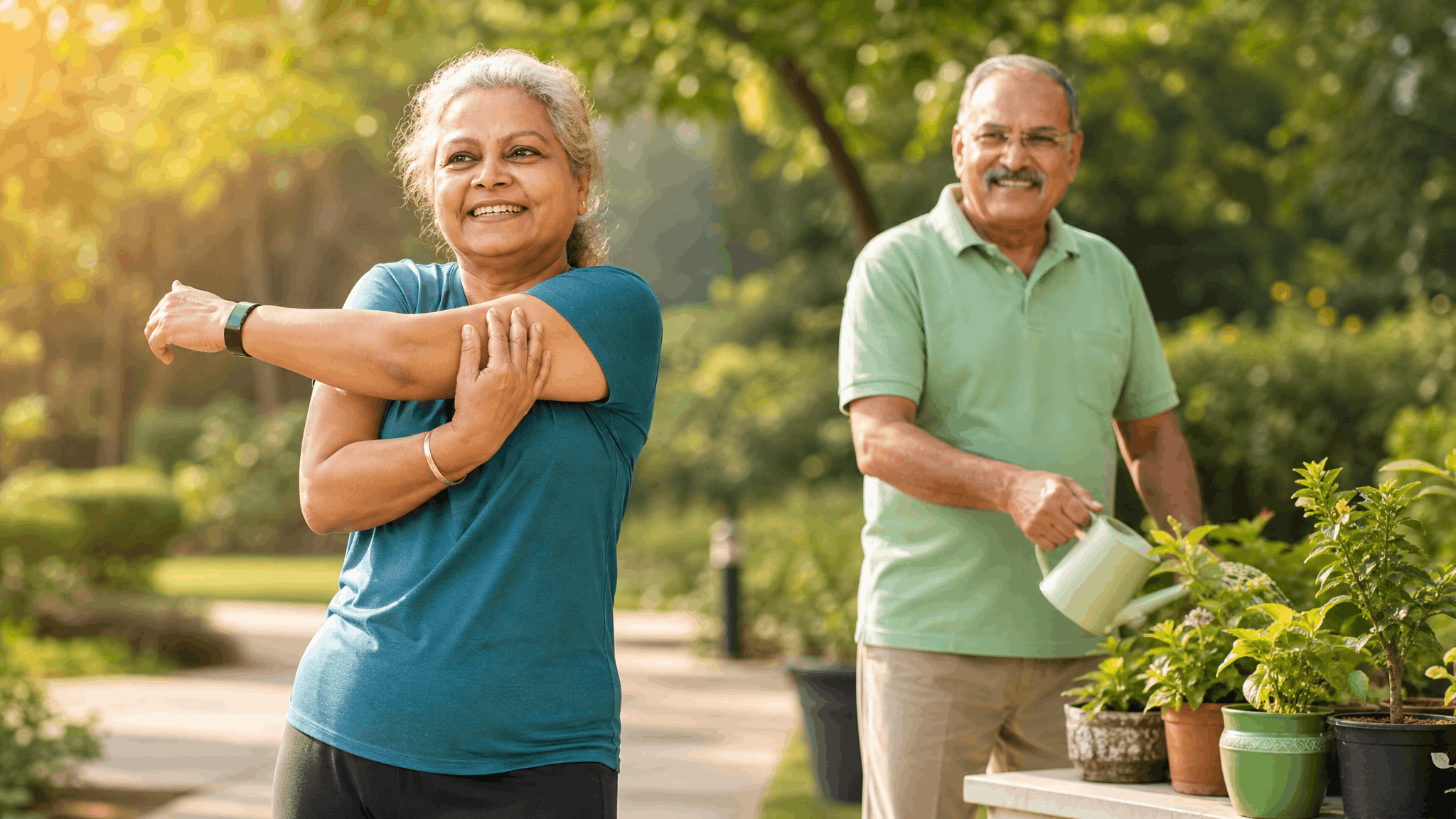
Growing older is often described as a process of slowing down.
But ageing itself does not have to mean giving up the things that make life enjoyable.
For many older adults, the goal is not to become younger. It is to remain capable of doing the things that matter to them for as long as possible. That could mean walking to the local shop, spending time with grandchildren, travelling, cooking, meeting friends, gardening or simply managing everyday life without unnecessary dependence on others.
This is where the idea of active ageing becomes important.
Active ageing is not about exercising intensely or trying to maintain the lifestyle of a twenty-year-old. It is about supporting physical health, mental wellbeing, participation and independence throughout later life.
The good news is that active ageing does not require dramatic changes. Small, consistent habits can make a meaningful difference.
One of the simplest foundations of healthy ageing is regular physical activity.
As people get older, maintaining strength, balance, flexibility and mobility becomes increasingly important. Staying active can make everyday activities such as climbing stairs, carrying groceries, getting out of a chair or walking outdoors easier.
The activity does not need to be complicated.
Walking, stretching, light strength exercises, swimming, gardening and gentle yoga can all become part of a routine depending on a person’s health and physical ability.
The important thing is to avoid thinking of exercise as something that only happens in a gym.
Movement can be built into ordinary life.
A short morning walk, taking the stairs when comfortable, watering plants or doing a few mobility exercises at home can all contribute to staying active.
Physical activity gets a lot of attention in discussions about ageing, but the mind also benefits from continued engagement.
Learning does not have to stop after retirement.
Reading a new book, solving puzzles, playing cards, learning a language, practising music, trying a new recipe or learning how to use a new piece of technology can all provide opportunities for the brain to stay engaged.
The goal is not to turn every activity into a mental workout.
It is to remain curious.
Doing something unfamiliar occasionally can be especially valuable because it encourages people to pay attention, remember information and solve small problems.
A new hobby can therefore be much more than a way to pass the afternoon.
It can give the day a sense of purpose.
Healthy ageing is not only an individual activity.
Relationships matter.
Retirement, relocation, health problems and changes in family circumstances can gradually reduce someone’s social circle. A person may have plenty of people around them and still feel disconnected from others.
Maintaining meaningful relationships can help prevent that sense of isolation.
This could mean making a regular phone call to a friend, meeting neighbours for tea, attending a community activity, volunteering or joining a group based on an existing interest.
The activity itself matters less than the connection it creates.
Even a weekly social routine can become an important part of someone’s life.
For families, this is worth remembering when supporting older parents. Helping them stay socially involved can be just as valuable as reminding them to take their medicines or attend medical appointments.
Retirement can create something many people spend years wishing for: free time.
But too much unstructured time can eventually feel empty.
Work often provides a routine, responsibilities and a reason to interact with other people. When that disappears, it can take time to build a new rhythm.
Purpose does not need to come from a major achievement.
It could come from looking after a garden, preparing a family meal, helping a neighbour, teaching a grandchild something useful, caring for a pet or working on a personal project.
The key question is simple:
What gives this day meaning?
Having something to look forward to can make a surprising difference to how a person experiences retirement.
Sleep can change as people age.
Older adults may find it harder to stay asleep through the night or may wake earlier than they used to. That does not mean poor sleep should simply be accepted as an unavoidable part of growing older.
Good sleep supports everyday functioning, mood, concentration and energy.
Simple habits can help.
Keeping a regular sleep schedule, getting some daylight during the day, staying physically active, limiting long late-afternoon naps and creating a calmer evening routine can all support healthier sleep habits.
Persistent problems, especially excessive daytime sleepiness, loud snoring, breathing difficulties during sleep or major changes in sleeping patterns, should be discussed with a healthcare professional rather than dismissed as normal ageing.
Food becomes especially important when maintaining health and independence over the long term.
There is no single “senior diet” that works for everyone. Nutritional needs depend on overall health, activity level, medications and individual circumstances.
But a generally balanced eating pattern can include vegetables, fruits, whole grains, protein-rich foods and adequate fluids.
For some older adults, appetite can decrease with age. Others may have difficulty preparing meals or may unintentionally rely too heavily on convenient processed foods.
This is where family support can be useful.
Eating together can also serve another purpose: it turns nutrition into a social activity rather than treating food as just another health requirement.
Active ageing does not mean ignoring health problems.
Regular medical check-ups, appropriate screenings, medication reviews, dental care, vision checks and attention to existing health conditions can all support independence.
The earlier a problem is recognised, the more opportunities there may be to manage it effectively.
Families should also pay attention to changes in mobility, memory, mood, appetite, sleep or everyday functioning.
Not every change indicates a serious condition. But a persistent or noticeable change is worth discussing with a qualified professional.
Prevention is often less about one major intervention and more about staying attentive over time.
It is easy to think of active ageing as another word for staying physically fit.
It is broader than that.
A healthy later life can involve movement, social connection, mental stimulation, emotional wellbeing, good nutrition, adequate sleep and a sense of purpose.
These areas are connected.
Someone who sleeps poorly may have less energy to exercise. Someone who stops socialising may become less motivated to leave the house. Someone who becomes physically inactive may gradually lose confidence in performing everyday tasks.
This is why a balanced approach matters.
For families looking for a more struct{“success”:false,”data”:”The uploaded file exceeds the upload_max_filesize directive in php.ini.”}ured approach to senior wellness and healthy ageing, programmes can bring together physical activity, cognitive engagement and broader wellbeing rather than treating each area separately.
Perhaps the biggest mistake people make when trying to improve their health is trying to change everything at once.
There is usually no need.
Start with one walk.
One new activity.
One regular phone call.
One healthier meal.
One consistent bedtime.
One reason to get out of the house tomorrow.
These changes may seem small, but habits are built through repetition.
Growing older is inevitable. Losing the ability to participate in life is not automatically part of the process.
Active ageing is ultimately about staying involved in your own life.
It is about maintaining the ability, confidence and opportunity to keep doing the things that matter.
And sometimes, ageing well begins with something very simple:
Keep moving. Keep learning. Keep connecting. Keep participating.