Physical Address
304 North Cardinal St.
Dorchester Center, MA 02124
Physical Address
304 North Cardinal St.
Dorchester Center, MA 02124

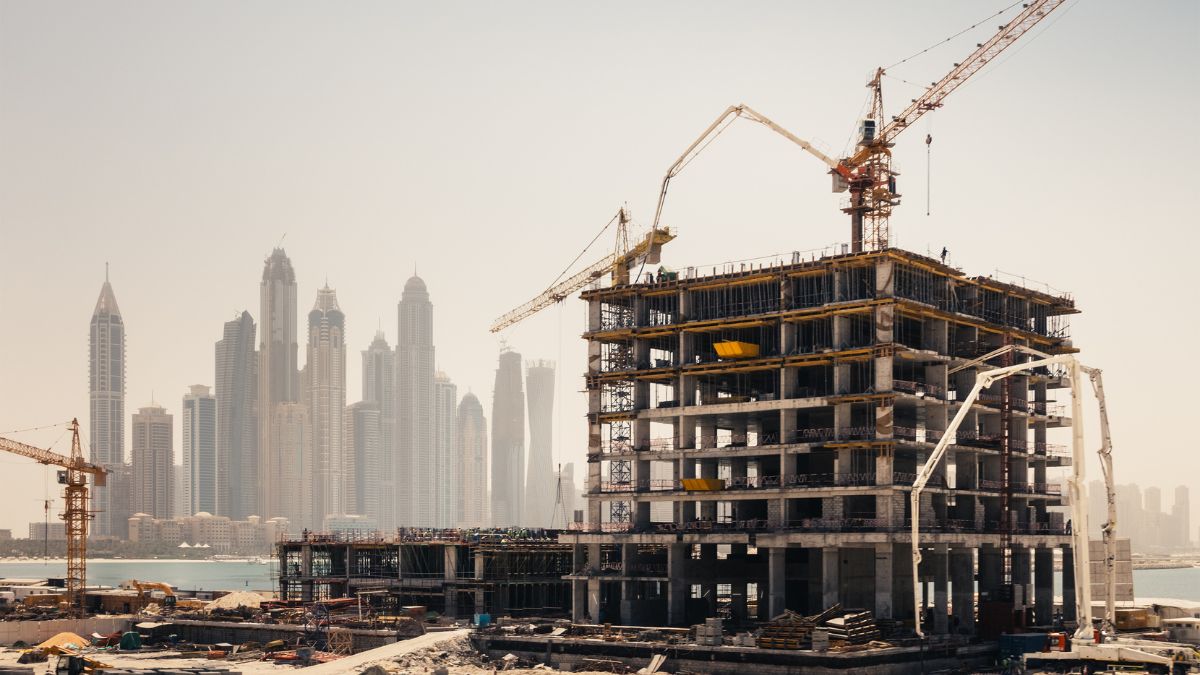
The construction industry is undergoing a significant transformation as technology becomes increasingly integrated into planning, design, project management, and building operations. Smart construction combines digital tools, connected equipment, automation, data analytics, and advanced construction methods to improve productivity and project visibility. The Global Construction Market reached a value of USD 14.45 Trillion in 2025 and is projected to expand at a CAGR of around 6.50% during the forecast period of 2026-2035. With the rise of modular construction, accelerating green-building investments, large-scale data centre build-outs, and digital project delivery, the market is expected to reach USD 27.12 Trillion by 2035.
Building Information Modelling (BIM) is becoming an important component of modern construction workflows. BIM enables project teams to create detailed digital representations of buildings and infrastructure before physical construction begins. Architects, engineers, contractors, and other stakeholders can use these models to coordinate designs and identify potential issues.
The integration of BIM with cloud-based collaboration platforms also enables project information to be shared more efficiently. This can support better communication between teams working across different locations and help reduce design conflicts during construction.
Artificial intelligence is creating new opportunities for construction companies to analyse project data and improve decision-making. AI systems can process information related to schedules, costs, materials, equipment, and workforce requirements to identify potential risks.
Predictive analytics can help project managers identify possible delays or cost overruns at an earlier stage. AI can also support areas such as construction planning, resource allocation, safety monitoring, and equipment maintenance. As more construction data becomes digitised, the use of AI-driven solutions is expected to expand.
Labour-intensive construction activities are increasingly being supported by robotics and automated equipment. Robotic systems can perform repetitive tasks such as bricklaying, concrete applications, surveying, and material handling with a high degree of consistency.
Automation can also help address productivity challenges and reduce worker exposure to certain hazardous environments. Rather than completely replacing human workers, construction robotics can increasingly complement skilled teams by handling repetitive or physically demanding activities.
Modular and prefabricated construction is becoming an important trend in the development of modern buildings. Components can be manufactured in controlled factory environments and transported to construction sites for assembly.
This approach can reduce the time required for certain construction activities while improving quality control and material management. Modular construction is particularly relevant to projects where speed and repeatability are important, including housing, healthcare facilities, commercial buildings, and data centres.
The Internet of Things (IoT) is enabling construction companies to connect equipment, machinery, sensors, and other devices. Connected technologies can provide real-time information about equipment performance, location, operating conditions, and environmental factors.
Construction managers can use this data to monitor projects remotely and identify maintenance requirements. Connected machinery can also support more efficient equipment utilisation by providing visibility into operating hours and usage patterns.
Drones are increasingly being used for surveying, mapping, inspection, and construction progress monitoring. Aerial imagery can provide project teams with a detailed view of large construction sites without requiring extensive manual surveying.
When drone data is combined with BIM models and other digital systems, companies can compare planned and actual construction progress. This can improve documentation and help project managers identify areas requiring attention.
Sustainability is becoming a major consideration in construction projects. Governments, businesses, and property developers are increasingly focusing on energy efficiency, lower emissions, responsible material use, and environmentally conscious building designs.
Smart technologies can support these objectives by enabling better monitoring of energy consumption, water use, building performance, and resource utilisation. Digital design tools can also help project teams evaluate different materials and construction approaches before work begins.
The rapid expansion of cloud computing, artificial intelligence, and digital services is creating substantial demand for data centre infrastructure. Data centres require specialised construction approaches involving power systems, cooling infrastructure, connectivity, security, and energy management.
The development of large-scale data centres is therefore becoming an important component of construction activity in several markets. Advanced project management tools, modular construction, digital twins, and automated systems can help address the complexity and scale of these developments.
Cloud-based project management platforms are changing how construction teams communicate and manage project information. Digital systems can centralise drawings, schedules, contracts, progress reports, and other project documents.
This can improve access to current information and reduce reliance on fragmented communication channels. Digital project delivery also supports collaboration between owners, designers, contractors, suppliers, and other stakeholders throughout the project lifecycle.
Digital twins are emerging as an advanced approach to managing physical assets through continuously updated digital representations. In construction, digital twins can connect building models with operational and sensor data.
This technology can provide value beyond the construction phase by supporting facility management and building performance monitoring. As sensor networks and data platforms become more widespread, digital twins may become increasingly integrated into the lifecycle of major buildings and infrastructure projects.
The future of smart construction is expected to be shaped by the convergence of AI, BIM, IoT, robotics, drones, modular construction, digital twins, and sustainable building technologies. These technologies can influence different stages of construction, from initial design and planning to project execution and long-term asset management.
At the same time, successful adoption will require investment in digital infrastructure, workforce training, cybersecurity, and data management. Construction companies will need to balance technology adoption with project requirements, regulatory considerations, and the capabilities of their workforce.
With the Global Construction Market expected to reach USD 27.12 Trillion by 2035, continued investment in digital project delivery, modular construction, green buildings, and technology-enabled infrastructure is likely to create new opportunities for smart construction solutions.




