Physical Address
304 North Cardinal St.
Dorchester Center, MA 02124
Physical Address
304 North Cardinal St.
Dorchester Center, MA 02124

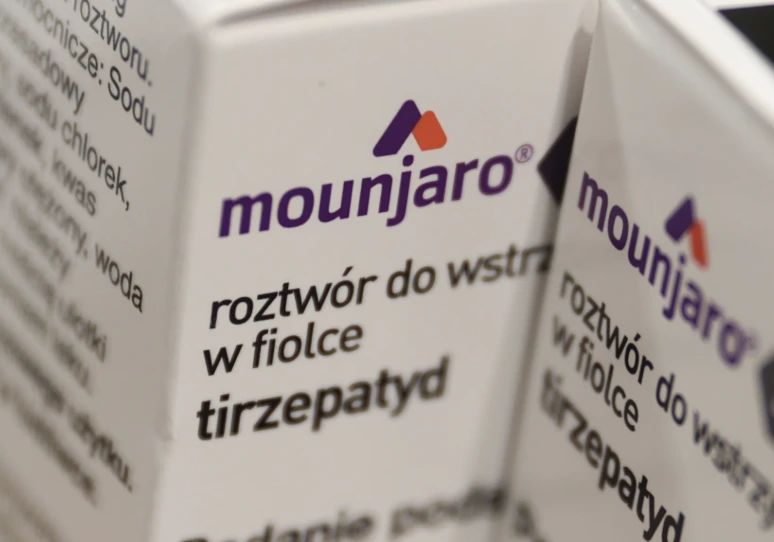
Online information about prescription weight management is a mixture of accurate guidance and confident misinformation. Patients researching the Mounjaro injection in Dubai frequently arrive at consultations carrying assumptions that are simply incorrect. This article addresses the most common myths directly, explaining what is accurate, what is exaggerated, and what is entirely false. It is general information only and does not replace personalised medical advice.
Weight management attracts strong opinions, and social media rewards confident claims over nuanced ones. A single viral post can shape expectations for thousands of patients.
The result is a body of folklore that feels authoritative but collapses under clinical scrutiny.
Factors that fuel misconceptions:
Before-and-after content without medical context
Influencer promotion without clinical qualifications
Anecdotal experiences presented as universal rules
Confusion between different injectable medications
Fear-based claims from opposing viewpoints
In our clinical experience, patients who arrive with questions rather than conclusions make better decisions and experience fewer disappointments.
This is perhaps the most widespread misconception. The medication reduces appetite, but it does not choose your food, plan your meals, or move your body.
Patients who rely on the injection alone typically achieve less than those who combine it with nutrition and activity changes. Individual results vary, but effort consistently influences outcomes.
What is accurate: appetite suppression makes dietary change easier to sustain, which is its clinical value.
Many patients assume that once weight is lost, it stays lost. Clinical experience indicates otherwise.
Appetite suppression fades when treatment stops, and metabolic adaptations persist. Without a maintenance plan, weight regain is common.
What is accurate: results can be maintained, but maintenance is an active process rather than a passive outcome.
This medication is a prescription therapy for clinical weight management, not a beauty treatment. It is prescribed based on medical criteria, not aesthetic preferences.
Framing it as cosmetic undermines the seriousness of the assessment process and encourages unsupervised use.
What is accurate: it is a medical intervention with real risks, requiring proper clinical oversight.
Some patients assume that a higher dose produces faster results. In practice, escalation is guided by tolerability, not by ambition.
Increasing too quickly raises the risk of significant side effects and may force a pause in treatment altogether.
What is accurate: gradual escalation typically produces better overall outcomes than rapid increases, even if progress feels slower.
A range of supplements and devices are marketed as alternatives. None have demonstrated comparable effects in clinical practice.
This does not mean lifestyle approaches are worthless. It means they work differently and often require more sustained effort.
What is accurate: nutrition, activity, and behavioural support remain fundamental, but they are not interchangeable with prescription treatment.
Mild gastrointestinal effects are common during treatment, particularly after dose increases. Their presence does not indicate that the medication is unsuitable or that something has gone wrong.
Persistent or severe symptoms, however, do warrant clinical attention.
What is accurate: most side effects are manageable and temporary, but warning signs should never be ignored.
The medication may be the same, but the standard of care is not. Assessment depth, monitoring, and follow-up vary widely between providers.
What is accurate: provider quality influences safety as much as the product itself, which is why clinic selection deserves attention.
Some patients source medication online or through informal channels to avoid consultation. This removes the safeguards that exist for good reason.
What is accurate: unsupervised use increases the risk of missed contraindications, unmanaged side effects, and inappropriate dosing.
Misconceptions are best corrected through conversation with a qualified clinician who can relate general information to your specific circumstances.
Tajmeels Clinic in Dubai encourages patients to raise assumptions during consultation, so decisions rest on clinical assessment rather than internet folklore.
Questions worth asking:
Is this claim accurate for my situation?
What does the evidence actually show?
What would you recommend based on my history?
Misinformation about this treatment is widespread, and it shapes expectations before patients ever reach a consultation. Understanding what is accurate, what is exaggerated, and what is false helps patients approach treatment with a clearer mind. No article can replace individual assessment, but asking direct questions during consultation corrects most misconceptions quickly. If something you have read online sounds too dramatic in either direction, treat that as a prompt to ask rather than a conclusion to accept.
WhatsApp: +971 56 203 8751
Phone: +971 4 373 9000
Social Media:




