Physical Address
304 North Cardinal St.
Dorchester Center, MA 02124
Physical Address
304 North Cardinal St.
Dorchester Center, MA 02124

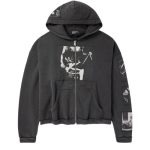
Statement dressing does not always mean wearing the loudest piece in your closet. Often, it comes down to choosing one garment with enough visual character to shape the rest of an outfit. A graphic hoodie can do that particularly well, but its impact depends on more than the artwork. Fabric weight, fit, color, layering, and the weather all change how the piece looks and feels. A heavyweight hoodie can give an outfit structure on a cold fall morning, while a lighter version may work better beneath an overshirt in spring. For anyone interested in graphic clothing, alternative fashion, or contemporary streetwear, understanding these details makes statement dressing more practical—and much easier to personalize.
Statement dressing starts with visual emphasis. That emphasis might come from a graphic, an unusual color combination, a particular proportion, or simply a garment that contrasts with otherwise straightforward clothing.
A hoodie is an interesting example because it already https://erd-clothing.com/ has a familiar place in casualwear. Add a strong graphic, unusual placement, or distinctive proportions, and the same basic garment can become the visual anchor of an outfit.
The trick is deciding how much attention you want the piece to command. If the hoodie carries a lot of visual information, pairing it with simple denim and understated footwear can create balance. If the hoodie is relatively quiet, other elements such as outerwear, accessories, or footwear can contribute more.
This is where statement dressing differs from simply wearing eye-catching clothes. The individual pieces still need to relate to one another.
When shopping for a hoodie, weight is often discussed in terms of warmth, but it also affects the way the garment hangs on the body. Fabric thickness can influence drape, structure, layering, and even the apparent proportions of an outfit.
GSM, or grams per square meter, is one way manufacturers describe fabric weight. A higher GSM generally indicates more material per square meter, but it should not be treated as a universal warmth scale. Fiber content, fleece construction, weave, fit, and even how densely the fabric is made can affect how warm a garment feels.
A lightweight hoodie can be useful when the weather is mild or when another layer will go over it. A midweight option can work as an everyday layer through changing temperatures. Heavier fabric tends to make more sense when warmth and structure are important.
That distinction matters for statement dressing because the same graphic can create a different visual effect depending on how the fabric falls.
A lightweight hoodie generally has an advantage when layering is the priority. It can sit beneath an overshirt, denim jacket, bomber, or other outer layer without creating as much bulk.
Picture a cool spring evening: a lightweight hoodie, relaxed trousers, an overshirt, and low-profile sneakers create several layers without making the outfit feel heavy. The hoodie provides texture and a casual base while the outer layer supplies additional structure.
Heavyweight hoodies work differently. Their additional fabric can give the garment a more substantial presence, which can be useful when the hoodie itself is intended to carry the outfit.
For a cold fall day, a heavier hoodie with straight-leg denim and sneakers can be enough to create a complete casual look. In colder conditions, the same combination can become part of a larger system with a coat or jacket layered over it.
Fabric weight and fit should be considered together. A relaxed or oversized hoodie already creates additional volume, and heavier fabric can make that volume more pronounced.
That can work particularly well with loose denim or wide-leg trousers when the goal is a deliberately relaxed proportion. Keeping the footwear relatively streamlined can prevent the lower half of the outfit from becoming visually crowded.
A regular-fit hoodie creates a different balance. It can work comfortably under a jacket and may suit straight-leg jeans or more traditionally proportioned trousers.
Neither approach is automatically better. The useful question is whether the proportions match the rest of the outfit. A very large hoodie with very slim pants creates a different visual relationship from an oversized hoodie paired with relaxed denim.
Graphic clothing gives you an obvious starting point: identify the dominant visual elements and let the rest of the outfit support them.
A graphic hoodie with black, white, or muted artwork can sit naturally with washed denim and neutral sneakers. If the graphic contains stronger colors, pulling one of those colors into the footwear, cap, or bag can create a subtle connection without matching everything exactly.
Another approach is deliberate contrast. Try a graphic hoodie with clean trousers and simple sneakers. The contrast between casual graphic clothing and more restrained tailoring can make the outfit feel considered without adding several competing statement pieces.
For a more relaxed streetwear combination, pair the hoodie with loose jeans, a cap, and everyday sneakers. The proportions do much of the work, while the graphic provides the focal point.
ERD Clothing, associated with the Enfants Riches Déprimés name, is relevant to this conversation because its clothing can be considered within the broader world of graphic-driven alternative fashion. For someone researching the brand, the ERD Clothing collection provides a reference point for seeing how graphic garments can function as individual pieces within a wardrobe.
The more useful lesson, however, goes beyond any particular label. Statement dressing works when the wearer understands what a garment contributes to an outfit. A graphic hoodie does not need several equally noticeable pieces around it to create visual interest.
This approach is particularly useful for people building wardrobes around music, skate, punk, vintage, or alternative-fashion influences. Individual references can coexist without turning every outfit into a costume.
Weather is one of the easiest ways to decide between different hoodie weights. Spring often calls for layers that can be removed as temperatures rise, making lighter fabrics practical. Summer evenings can also call for a hoodie in regions where temperatures drop after sunset.
Fall is where midweight and heavyweight options become especially useful. A hoodie can function beneath a jacket in the morning and stand alone when conditions become milder later in the day.
Winter requires more attention to the entire layering system rather than simply choosing the heaviest hoodie available. A substantial hoodie may provide warmth, but the combination of base layers, outerwear, wind protection, and footwear also matters.
Climate varies considerably across the United States, so there is no single hoodie weight that works for everyone. Someone in Southern California has different layering needs from someone facing a Midwest winter.
Before buying a statement hoodie, start with the fabric information and available measurements. A size label tells you very little about how a particular garment will actually fit.
Look at body length, chest width, shoulder measurements, and sleeve length when those details are provided. If you prefer an oversized fit, compare the measurements against a hoodie you already own rather than simply sizing up.
Pay attention to the hood and cuffs as well. The hood’s structure affects how the garment sits around the neck, while cuffs can influence how sleeves stack at the wrist.
Care instructions are worth checking too. Washing temperature, drying recommendations, and fabric composition can affect how a hoodie looks over time. If buying online, also review the retailer’s return policy before ordering, particularly when fit is uncertain.
Most importantly, think about frequency of wear. A statement piece does not need to be visually quiet to be versatile; it simply needs to work with enough of your existing wardrobe to earn regular rotation.
Statement dressing becomes more interesting when it stops being about attention and starts being about intention. A graphic hoodie can be the center of an outfit, but the supporting pieces determine whether the overall look feels balanced.
Fabric weight, fit, weather, and layering all play a role. A lighter hoodie can disappear neatly beneath an overshirt, while a heavier one can provide enough structure to anchor an outfit by itself. Relaxed proportions can emphasize the casual character of a graphic, while cleaner trousers can create contrast.
That gives shoppers plenty of room to experiment without buying an entirely new wardrobe. Start with one garment that genuinely interests you, understand what it contributes, and build around it with pieces you already wear.
What is statement dressing?
Statement dressing means using one or more visually distinctive clothing pieces to give an outfit a clear point of focus while keeping the overall combination intentional.
Is a heavyweight hoodie warmer than a lightweight hoodie?
Generally, heavier fabric can provide more insulation, but warmth also depends on fiber content, construction, fit, layering, and weather conditions.
What does GSM mean for hoodies?
GSM means grams per square meter and indicates fabric weight; it can help compare materials, but GSM alone does not determine warmth, comfort, or overall performance.
Are lightweight hoodies better for layering?
Lightweight hoodies are often easier to layer because they create less bulk beneath jackets, overshirts, and coats.
How should an oversized hoodie be styled?
Relaxed or oversized hoodies can work with loose denim, wide-leg trousers, or joggers, while simpler footwear can help maintain balanced proportions.
What should I consider before buying a graphic hoodie?
Consider fabric weight, measurements, fit, graphic placement, climate, layering needs, fabric composition, care instructions, and how easily the hoodie works with clothes you already own.




