Physical Address
304 North Cardinal St.
Dorchester Center, MA 02124
Physical Address
304 North Cardinal St.
Dorchester Center, MA 02124

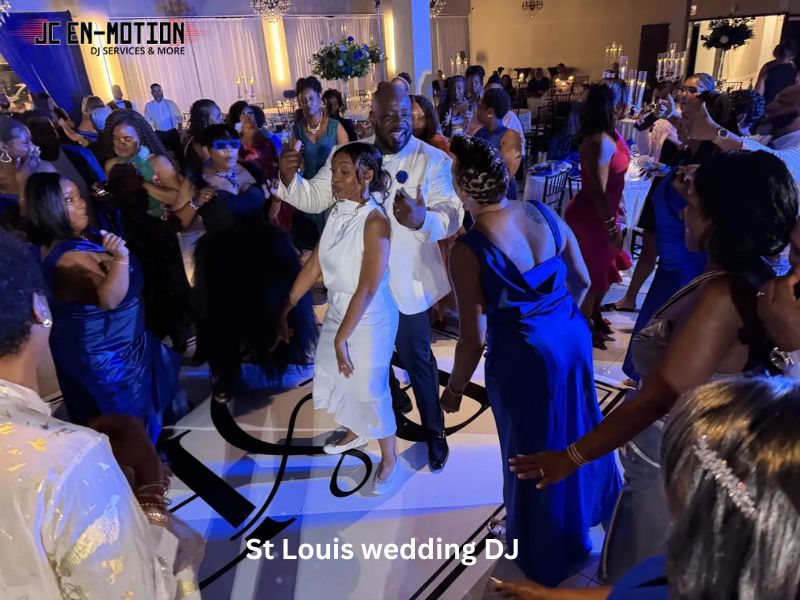
Music is an important part of a wedding celebration because it can influence the atmosphere and help connect different parts of the event. From the arrival of guests to the final dance, carefully selected songs can complement the mood of the occasion. Working with a St Louis Wedding DJ can make the process of organizing music easier, especially when a wedding includes several activities, announcements, and special moments.
The style of the wedding should be considered before creating a playlist. A formal reception may require a different musical approach from a relaxed outdoor celebration. The venue, theme, time of day, and overall schedule can all influence the type of music that works well.
Couples can discuss the style they want with their DJ and identify the general atmosphere they hope to create. Whether the goal is elegant, relaxed, energetic, or a combination of different moods, having a clear direction can help the DJ prepare appropriate selections.
One of the easiest ways to communicate musical preferences is to prepare a list of favorite songs. Couples can include tracks that have personal meaning, songs they enjoy listening to, and music they would like to hear during the reception.
The list does not need to become the complete playlist. Instead, it can give the DJ an understanding of the couple’s musical tastes. The DJ can use this information to select additional songs that complement the preferred choices.
Wedding celebrations often include several important moments that require specific music. These may include the ceremony entrance, couple’s entrance, first dance, parent dances, cake cutting, bouquet activities, and final dance.
Couples should identify these moments in advance and decide whether they already have particular songs in mind. Sharing the event schedule with the DJ can help ensure that each selection is ready at the appropriate time.
A wedding reception usually brings together people from different generations and backgrounds. Guests may have very different musical preferences, so it can be useful to include a range of familiar songs.
A combination of classic favorites, current music, dance tracks, and slower selections can provide variety throughout the reception. The couple can also discuss which genres are appropriate for their guests and which ones they would prefer to avoid.
A do-not-play list can be just as useful as a list of favorite songs. Couples may have certain songs, artists, or genres they do not want to hear during their reception.
Providing this information before the wedding gives the DJ clear guidance. It also reduces the possibility of a song being played that does not fit the couple’s preferences or the style of the celebration.
Music does not have to have the same energy level throughout the entire wedding reception. Different parts of the event may require different musical styles.
During guest arrival and dinner, softer background music can allow people to talk comfortably. After dinner and formal activities, the music can gradually become more energetic as guests move toward the dance floor.
Planning these transitions in advance can help the reception feel organized while still allowing the atmosphere to develop naturally.
Couples should decide how they want guest requests to be handled. Some may prefer to allow guests to make requests, while others may want the DJ to follow a prepared playlist.
If requests are allowed, the DJ can use professional judgment to determine whether a song fits the event. This can give guests an opportunity to participate while keeping the overall musical direction consistent with the couple’s preferences.
The wedding venue can affect both music selection and sound requirements. A small indoor reception may have different needs from a large banquet hall or outdoor location.
Before the event, the DJ should be aware of the venue’s size, layout, available power sources, and any sound restrictions. Some venues may also have specific rules about music volume or setup times. Discussing these details early can help avoid last-minute problems.
Good music depends on reliable sound equipment. Speakers, microphones, mixers, and other equipment should be suitable for the venue and expected number of guests.
A microphone may be needed for speeches, announcements, introductions, or other activities. The DJ can review the event requirements and determine what equipment will be necessary. Testing everything before guests arrive can also help identify technical issues.
A detailed wedding timeline can help the DJ understand when music should change or when specific songs need to be played. The timeline can include guest arrival, dinner, introductions, speeches, first dance, dancing, and the planned ending time.
Providing this information in advance gives the DJ an opportunity to organize the music around the schedule. It can also make coordination with other event professionals easier.
Even with a carefully prepared playlist, a wedding reception can develop differently from what was originally expected. Guests may respond enthusiastically to certain songs, while others may not create the same level of interest.
Allowing some flexibility gives the DJ an opportunity to adjust the music while respecting the couple’s preferences. This can help maintain a comfortable atmosphere and keep the celebration moving naturally.
Music planning should ideally begin well before the wedding date. Starting early gives couples enough time to discuss their preferences, prepare song lists, identify special moments, and communicate important details.
It also provides time to make changes if the original playlist does not fully match the desired atmosphere. Early preparation can make the final planning process much less stressful.
Choosing wedding music involves more than selecting a collection of songs. Couples should consider their wedding style, favorite music, guest preferences, special moments, venue requirements, and overall schedule. Clear communication with the DJ can help bring these elements together.
With thoughtful preparation and some flexibility, music can support the different stages of a wedding celebration and create an enjoyable experience for both the couple and their guests. A well-organized approach allows the music to complement the occasion while leaving room for memorable moments throughout the reception.




