Physical Address
304 North Cardinal St.
Dorchester Center, MA 02124
Physical Address
304 North Cardinal St.
Dorchester Center, MA 02124

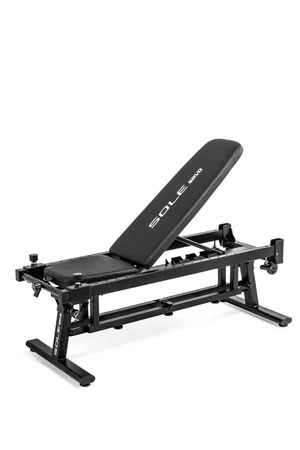
An adjustable bench can look like a simple piece of gym equipment, but its value becomes much clearer when you stop using it only for bench presses.
By changing the backrest position, you can create different training angles for pressing, rowing, core work, dumbbell exercises, and other movements. That makes one bench capable of supporting a much broader workout than its compact size might suggest.
This can be particularly useful in UAE homes where gym space may be limited. Whether you’re setting up a workout area in a Dubai apartment, a dedicated room in Abu Dhabi, or a larger home gym in Sharjah, Ajman, Ras Al Khaimah, or Fujairah, the goal is often to get more training possibilities from fewer pieces of equipment.
The key is knowing how to use the bench effectively.
The main advantage of an adjustable bench is the ability to change your body position.
A flat position creates a different setup from an incline position, while a steeper angle can shift the emphasis of certain movements again.
This means the same pair of dumbbells can be used for several exercises without changing the equipment itself.
For example, an adjustable bench can support:
Flat dumbbell presses
Incline dumbbell presses
Seated shoulder presses
Chest-supported rows
Seated curls
Rear-delt exercises
Supported unilateral movements
Certain core exercises
The exact exercises depend on the bench design and its adjustment range.
The flat position is often the easiest place to begin.
It provides a stable surface for exercises such as dumbbell presses and can also be useful for certain rowing and core movements.
If you’re building a compact home gym, a flat position gives you a basic platform that can work with other equipment.
You can pair it with dumbbells, kettlebells, or a barbell setup depending on your available equipment.
The important point is to make sure the bench is completely locked before beginning your exercise.
Moving the backrest upward changes your position and can create new exercise options.
Incline pressing is one of the most common examples.
Instead of lying completely flat, you work from an elevated position.
You can also use an incline setup for supported dumbbell movements and other exercises where having your torso elevated is useful.
Try different positions within the manufacturer’s recommended adjustment range rather than assuming the highest setting is always the best.
Some adjustable benches allow the seat to change position independently of the backrest.
This can improve comfort and help you maintain a more secure position during certain exercises.
When comparing benches, look at both:
Backrest adjustment
Seat adjustment
A bench with multiple useful positions can provide more flexibility than one that only changes the backrest.
However, more adjustment points aren’t automatically better if they make the bench complicated or unstable.
An adjustable bench can have many positions, but those settings are only useful if the bench feels stable.
When comparing models, look at:
Frame construction
Base design
Bench weight
Foot placement
Adjustment mechanism
Locking system
Padding support
A stable bench should remain secure during normal use.
Check that the adjustment mechanism is properly engaged before placing weight on the bench.
The bench and dumbbells should be considered as one training setup.
If your dumbbells are relatively heavy, you need a bench that provides appropriate support.
You also need enough space around the bench to pick up and position the weights.
This matters particularly in smaller rooms.
A bench may fit physically into a corner, but that doesn’t mean you have enough room to perform a full workout comfortably.
One useful alternative to traditional pressing is chest-supported rowing.
Depending on the bench design and angle, you can position your torso against the pad and perform rowing movements with dumbbells.
This can provide a useful alternative to unsupported rows.
The bench gives your torso a stable contact point while your arms perform the movement.
Always make sure the bench is appropriate for the angle and exercise you’re performing.
An adjustable bench can also provide a seated platform for various movements.
Depending on your equipment, you can perform:
Seated shoulder presses
Seated curls
Seated lateral raises
Seated triceps movements
Other dumbbell exercises
A supported seated position can make certain movements easier to organise in a home gym.
Again, choose the angle according to the exercise rather than simply using the highest setting.
Training one side at a time can add variety to your workouts.
An adjustable bench can support movements such as:
One-arm rows
Supported dumbbell rows
Single-arm pressing variations
Seated single-arm exercises
Unilateral training can also be useful when you want to focus on controlling one side independently.
Keep the resistance manageable and prioritise controlled movement.
The bench doesn’t have to be reserved for upper-body exercises.
Depending on its design and your training experience, it can support movements such as:
Bulgarian split squats
Step-up variations
Hip-focused exercises
Seated leg movements
When using a bench for lower-body movements, stability becomes especially important.
Never assume that every bench is suitable for every exercise.
Check the manufacturer’s intended use and weight capacity.
Before buying an adjustable bench, measure more than the bench itself.
Consider the space needed to:
Walk around it
Position dumbbells
Lie down
Sit comfortably
Change the adjustment
Perform movements with your arms
Store the bench
This is particularly important in apartments.
A compact bench can save floor space, but you still need sufficient clearance for the exercises you plan to perform.
For an apartment in Dubai or another UAE city, an adjustable bench can be useful because it can support multiple exercises without requiring several machines.
You can combine it with:
Dumbbells
Kettlebells
Resistance bands
A compact rack
Floor mats
If the bench can be stored vertically or moved easily, that may also help when the room has multiple uses.
However, check the manufacturer’s storage recommendations before placing the bench against a wall or moving it frequently.
If you have a spare room or dedicated gym area, you have more freedom.
An adjustable bench can become part of a larger setup containing:
Dumbbells
Barbell
Squat rack
Weight plates
Cable machine
Functional trainer
Cardio equipment
In this type of gym, the bench can act as a central accessory rather than a standalone piece of equipment.
A garage can provide useful space, but it can also expose equipment to harsher conditions.
High temperatures, dust, and humidity can affect certain materials over time.
If you keep your bench in a garage:
Avoid unnecessary direct sunlight
Keep the area clean
Inspect metal components
Check adjustment mechanisms
Keep padding protected where possible
If the environment is particularly hot or humid, consider whether another storage location would be more suitable.
Always check the manufacturer’s rated capacity.
This may include your body weight plus the weight you’re lifting, depending on how the manufacturer defines the specification.
Don’t assume that a bench designed for light dumbbell work has the same capacity as a heavy-duty strength bench.
If you’re planning to use heavier weights in the future, consider your likely progression before buying.
A bench should provide adequate support without feeling unnecessarily soft.
Look at:
Pad thickness
Pad width
Pad length
Surface material
Gaps between sections
A comfortable bench can make longer training sessions easier to manage.
However, excessive softness can sometimes make heavy pressing feel less stable.
The ideal balance depends on how you train.
If you regularly move between flat and incline exercises, the adjustment mechanism should be straightforward.
You don’t want to spend several minutes changing the bench between every exercise.
Check:
Number of adjustment positions
Locking mechanism
Adjustment speed
Seat adjustment
Stability after adjustment
A simple mechanism can be particularly helpful when more than one person uses the home gym.
A family gym may have people of different heights and training levels.
An adjustable design can make it easier for different users to find a comfortable setup.
One person may prefer a certain incline for pressing while another may use a flatter position.
If several people use the bench, adjustment speed and clear locking positions become even more useful.
More positions don’t automatically mean a better bench.
Look at whether the positions are actually useful for your training.
A bench should feel secure before you load it.
Seat adjustment can affect comfort and positioning.
Remember to account for the space required while exercising.
Consider your body weight and training load together according to the manufacturer’s specification.
Make sure the locking system is practical and secure.
You don’t need a large collection of machines to create a useful strength area.
A simple setup could include:
Adjustable bench
Dumbbells
Kettlebells
Exercise mat
Storage solution
As your training develops, you can add a barbell, rack, cable system, or other equipment.
This gradual approach can be particularly useful when you’re working with limited space.
When comparing models online, look beyond photographs.
Check:
Overall dimensions
Folded dimensions
Adjustment positions
Seat adjustment
Weight capacity
Bench weight
Pad dimensions
Frame material
Locking mechanism
Warranty
Assembly requirements
Delivery options
Also consider the route the bench will take to reach your gym.
Even smaller fitness equipment needs to pass through doors, lifts, stairways, and corridors.
You can explore Adjustable Benches when comparing options for a versatile home strength setup.
For other fitness and sports equipment in the UAE, Athletix provides equipment for different home-training requirements.
An adjustable bench can do much more than support a bench press.
Its real value comes from the number of training positions it can create and how well it works with the rest of your equipment.
Use the flat position for basic pressing and other exercises, adjust the angle for incline movements, use supported positions for rows, and combine the bench with dumbbells or other resistance equipment.
For UAE home gyms, also consider floor space, storage, climate, delivery access, stability, and long-term use.
Instead of asking how many positions a bench has, ask a more useful question:
How many of those positions will actually improve the way you train?
That approach can help you choose a bench that earns its place in your home gym rather than simply taking up space.




