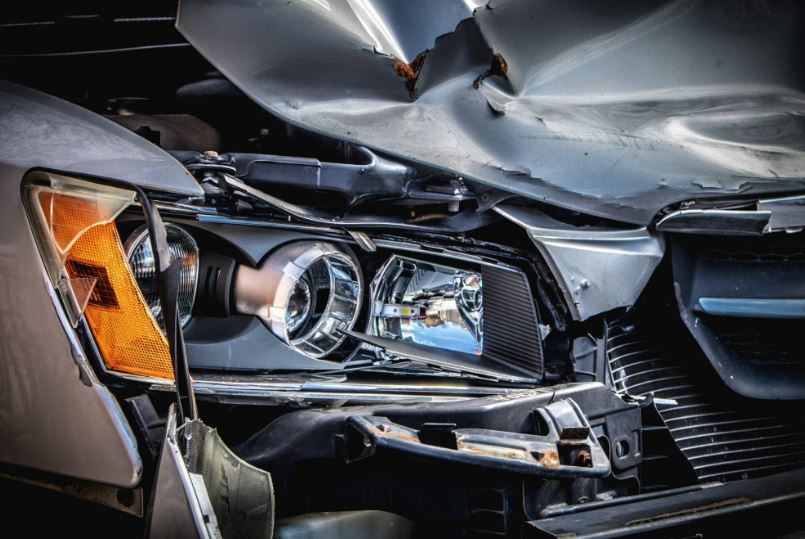
In an ordinary car crash, the evidence is usually a police report, some photos, and a few witnesses. A rideshare crash adds a layer most people never think about: digital records. The Uber or Lyft app tracks when a driver logs on, when a ride is accepted, where the car travels, and when the trip ends. That data can decide which insurance policy applies, and sometimes how much money is available for your injuries.
That data does not stay available forever, and the companies and insurers who hold it are not required to hand it over on request. A California rideshare accident lawyer can move quickly to preserve it and use it to build your claim.
Why Evidence Matters More in Rideshare Cases
Rideshare insurance in California generally depends on what the driver was doing at the moment of the crash:
- App off. The driver’s personal auto policy generally applies.
- App on, waiting for a request. A lower tier of rideshare liability coverage generally applies.
- Ride accepted, driving to pickup, or passenger in the car. A higher tier of coverage generally applies.
Because the applicable coverage can change with the driver’s status, insurers sometimes argue for the stage that costs them the least. The evidence is what settles that dispute. Coverage requirements and amounts are set by state law and company policy and have changed over the years, so an attorney should confirm what applied to your crash.
Digital Evidence Unique to Rideshare Crashes
Trip and Status Records
Rideshare companies keep records showing when a driver went online, when a request was accepted, pickup and drop-off times, and the route taken. These records can establish which coverage stage applied.
GPS and Telematics Data
Location data can show speed, stops, and the path of the vehicle before impact. It can help confirm or contradict what a driver says happened.
In-App Communications
Messages between the driver and passenger, and between the driver and the company, may show distractions, disputes, or last-minute route changes.
Driver History
Rideshare companies screen drivers, and records related to background checks, prior incidents, complaints, or deactivations may be relevant in some cases. Whether and how these can be obtained depends on the facts and on the legal process.
Passenger Records
If you were a passenger, your own account holds valuable information: your receipt, the driver’s name and photo, the vehicle description, and the route. Save it before it changes or disappears.
Traditional Evidence Still Matters
Digital records supplement, rather than replace, the evidence in every crash case:
- The police or CHP crash report
- Photos and video of the scene, vehicles, road conditions, and injuries
- Dash-cam footage, from the rideshare vehicle, your car, or other drivers
- Surveillance video from nearby businesses and homes
- Event data recorder (“black box”) data showing speed and braking
- Witness statements
- Medical records and bills
- Employment and income records documenting lost earnings
- Vehicle repair estimates and damage photos
How Quickly Evidence Can Disappear
Time works against injured people in rideshare cases:
- Business and home video is often overwritten within days or weeks
- App data may not be kept indefinitely, and companies do not always preserve it without a formal request
- Vehicle data can be lost when a car is repaired, sold, or salvaged
- Witness memories fade
- Screenshots and in-app details can change once a trip ends
An attorney can send preservation letters to the rideshare company, insurers, and others, demanding that key records be kept. This is often the most valuable early step in a case.
What You Can Do to Protect Your Own Evidence
If you are able, these steps help:
- Call 911 so a report is created, and get medical attention.
- Take screenshots of your trip details, driver profile, vehicle information, route, timestamps, and receipt.
- Photograph the scene and vehicles, including the license plate and any rideshare stickers or lights.
- Get names and contact information for the driver, other drivers, and witnesses.
- Report the crash through the app and keep a copy of any confirmation or messages.
- Write down what you remember as soon as possible, including the time, what the driver said, and what you saw.
- Save your medical records, bills, and proof of missed work.
- Avoid posting about the crash on social media.
- Contact an attorney early, so formal preservation requests can go out.
How Insurers Use Evidence Against You
Insurers gather evidence too, and they may use it to limit their exposure. Common tactics include:
- Arguing the driver was offline or between rides to trigger lower coverage
- Using phone or app activity to claim the driver, or you, was distracted
- Pointing to gaps in treatment as proof your injuries were minor
- Reviewing your social media for photos or posts that seem to contradict your injuries
- Asking for a recorded statement to lock in details early
- Sending a quick settlement, ride credit, or gift card before the extent of your injuries is known
Understanding what evidence exists, and who controls it, helps you avoid giving the other side an advantage.
Who May Be Responsible?
Depending on the facts, evidence may show that responsibility lies with:
- The rideshare driver
- The rideshare company, depending on the theory of liability and applicable coverage
- Another motorist
- A vehicle owner
- A maintenance shop or manufacturer, if a defect contributed
- A government agency, in limited cases involving road conditions
Rideshare companies often argue drivers are independent contractors and that the company is not responsible for their conduct. Whether that argument succeeds depends on the facts, so do not assume it ends the matter.
Shared Fault Under California Law
California follows pure comparative negligence. If you are found partly at fault, your compensation is reduced by your percentage of responsibility, but not eliminated. For example, if you are found 20% at fault for a $150,000 loss, you could still recover $120,000.
Evidence on speed, distraction, and traffic conditions can move that percentage significantly, which is another reason early preservation matters.
Arbitration and Terms of Service
Rideshare apps typically require users to accept terms of service, and those terms may include arbitration provisions for disputes with the company. Whether they apply to your claim can depend on your role in the crash and who you are making a claim against. Someone struck by a rideshare vehicle generally never agreed to those terms. Have an attorney review this before you assume how your case will proceed.
Compensation You May Be Able to Recover
- Medical expenses: emergency care, surgery, therapy, medication, and future treatment
- Lost wages and loss of earning capacity
- Vehicle repair or replacement and other property damage
- Pain and suffering, emotional distress, and loss of enjoyment of life
- Wrongful death damages for surviving family members, if the crash was fatal
Deadlines to Keep in Mind
- Personal injury lawsuits: generally two years from the date of the accident
- Property damage claims: generally three years
- Claims against government entities: generally six months for the initial claim
- Wrongful death claims: generally two years from the date of death
- Insurance policy notice requirements, including under your own UM/UIM coverage, may be shorter
Evidence can be lost long before a legal deadline arrives, so do not wait.
Mistakes That Can Hurt Your Rideshare Claim
- Failing to save trip details and screenshots
- Assuming the rideshare company will preserve everything on its own
- Giving a recorded statement to an insurer without advice
- Accepting a fast settlement, ride credit, or gift card
- Letting your vehicle be repaired or sold before it is documented
- Skipping medical care or follow-up appointments
- Posting about the crash or your activities on social media
- Waiting too long to contact an attorney
How a California Rideshare Accident Lawyer Can Help
An experienced attorney can:
- Send preservation letters for app data, trip records, and other digital evidence
- Establish the driver’s status and which coverage applies
- Gather video, vehicle data, and witness statements
- Work with accident reconstruction and medical experts
- Identify every responsible party and available insurance policy
- Handle communication with the rideshare company and insurers
- Calculate the full value of your current and future losses
- Negotiate for a fair settlement, or file suit and go to trial if needed
Many personal injury firms work on a contingency fee basis, meaning you typically pay no attorney fees unless you recover compensation. Confirm the terms during your consultation.
Protect Your Claim Before the Evidence Disappears
In a rideshare crash, the strongest proof can be the easiest to lose. If you were hurt as a passenger, driver, pedestrian, cyclist, or another motorist anywhere in California, contact a California rideshare accident lawyer as soon as you can to discuss what happened and learn what options may be available.