Physical Address
304 North Cardinal St.
Dorchester Center, MA 02124
Physical Address
304 North Cardinal St.
Dorchester Center, MA 02124

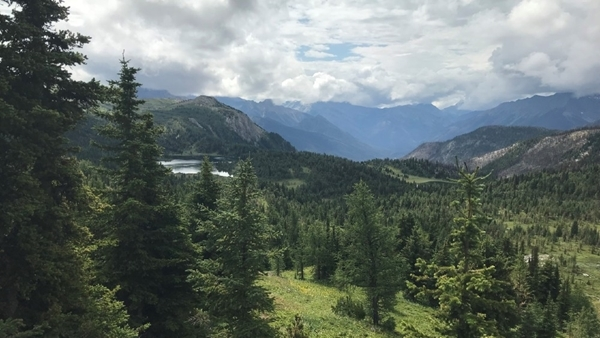
There is something remarkable about watching nature return to a place where it has been pushed aside. A patch of land can begin with a few native plants and gradually attract bees, butterflies, birds, and other wildlife. Over time, the landscape becomes richer and more diverse. This simple idea lies at the heart of rewilding, an approach to nature conservation that gives ecosystems space to recover and develop naturally.
Rewilding does not mean turning every town, garden, or park into wilderness. It means finding ways for people and nature to exist together. Native plants, wildflower meadows, grasslands, wetlands, woodlands, and wildlife corridors can all provide valuable space for species that have lost their habitats. Even small areas can support insects, birds, and other creatures when they are planned with nature in mind.
The idea of giving nature room to recover also features in The Solstice Secret, a fantasy novel by Valerie Walker. The book connects the imaginative world of fantasy with environmental themes, including rewilding, native plants, pollinators, and the restoration of natural spaces. Through storytelling, these ideas become part of a wider conversation about how people see and care for the world around them.
Human communities have changed landscapes for thousands of years. Forests have been cleared, wetlands drained, grasslands developed, and natural areas divided by roads and buildings. These changes have allowed societies to grow, but they have also reduced the space available to many species.
This is why natural habitats are so important. A meadow, for example, is much more than a collection of flowers. It can provide nectar for bees and butterflies, seeds for birds, shelter for insects, and food for other animals. A woodland supports its own network of trees, plants, fungi, insects, birds, and mammals.
When a habitat is damaged, the effects can spread throughout that ecosystem. Restoring even part of it can create new opportunities for wildlife. Planting native species, protecting waterways, reducing unnecessary pesticide use, and allowing some areas to grow naturally can help create healthier conditions for plants and animals.
Protecting wildlife often begins with protecting the places where animals live. A bird needs somewhere to nest and find food. Bees need flowering plants. Butterflies depend on suitable plants during different stages of their lives. Mammals need access to food, water, shelter, and safe areas in which to move.
Rewilding can provide some of these resources by restoring habitats and connecting isolated areas. A garden with native flowers can support pollinators. A less-manicured section of a park can provide shelter for insects and small animals. Restored ponds and wetlands can become valuable homes for birds and amphibians.
These spaces may seem small, but many small habitats can form a wider network. When natural areas are connected, wildlife has a better chance of moving, feeding, and reproducing safely.
Plants are often central to successful rewilding. Native plants have developed alongside local wildlife and can provide food and shelter for species that depend on them. Replacing some ornamental plants with native varieties can therefore make gardens and public spaces more useful to local ecosystems.
A nature-friendly garden does not have to look wild or neglected. Native flowers, grasses, shrubs, and trees can create attractive spaces while supporting insects and birds. Leaving some fallen leaves, letting certain plants flower naturally, and reducing pesticide use can also provide valuable habitat.
These simple choices can change how we think about gardening. A garden can be more than a carefully maintained outdoor space. It can also become a small part of the local ecosystem.
Environmental issues can sometimes feel distant. We hear about habitat loss, declining species, pollution, and climate change through news reports and scientific research. Facts help us understand these problems, but stories can make them feel closer to home.
This is where environmental fantasy offers something different. Fantasy allows writers to create worlds in which nature can become part of the mystery, adventure, and story. Forests, animals, landscapes, and natural forces can take on greater significance, encouraging readers to think about their own surroundings in a new way.
The Solstice Secret by Valerie Walker brings environmental ideas into a fictional setting. Its connection with rewilding and conservation encourages readers to consider what can happen when people make more room for natural ecosystems.
A nature fantasy can leave readers with questions that continue after the story ends. Could a neglected area become a thriving habitat? Could native plants bring back insects and birds? Could communities find better ways to live alongside nature?
These questions can help build environmental awareness without making the story feel like a textbook.
Rewilding does not always require a huge conservation project. It can start in a backyard, community garden, schoolyard, balcony, or local park. Planting native flowers, providing water for wildlife, reducing unnecessary chemicals, and leaving part of a garden less manicured can all create small pockets of habitat.
Learning about local plants and animals is another simple starting point. Once people recognize the species around them, damaged or disappearing habitats become easier to appreciate. A patch of grass may contain insects, flowers, and seeds that support a much larger food chain.
These small changes also remind us that conservation is not something that happens only in distant forests or protected reserves. Nature exists around us every day.
The real beauty of rewilding is the possibility of recovery. A damaged landscape may not return to exactly what it was generations ago, but it can become healthier and more capable of supporting life. Plants can return, insects can find food, birds can follow, and ecosystems can gradually rebuild their connections.
That sense of renewal is also what makes the environmental themes of {“success”:false,”data”:”The uploaded file exceeds the upload_max_filesize directive in php.ini.”} so interesting. Through fantasy, Valerie Walker brings attention to ideas surrounding rewilding, wildlife, native plants, and natural habitats, offering readers a story that connects imagination with the living world.
The magic of rewilding may be surprisingly simple: give nature the space and conditions it needs, then allow it to begin its work. A wildflower meadow, restored grassland, native garden, or protected habitat can become a small beginning with wider benefits.
When we make room for nature, we are not simply changing the landscape. We are creating opportunities for wildlife to return and for people to reconnect with the world that has always surrounded them.




