Physical Address
304 North Cardinal St.
Dorchester Center, MA 02124
Physical Address
304 North Cardinal St.
Dorchester Center, MA 02124

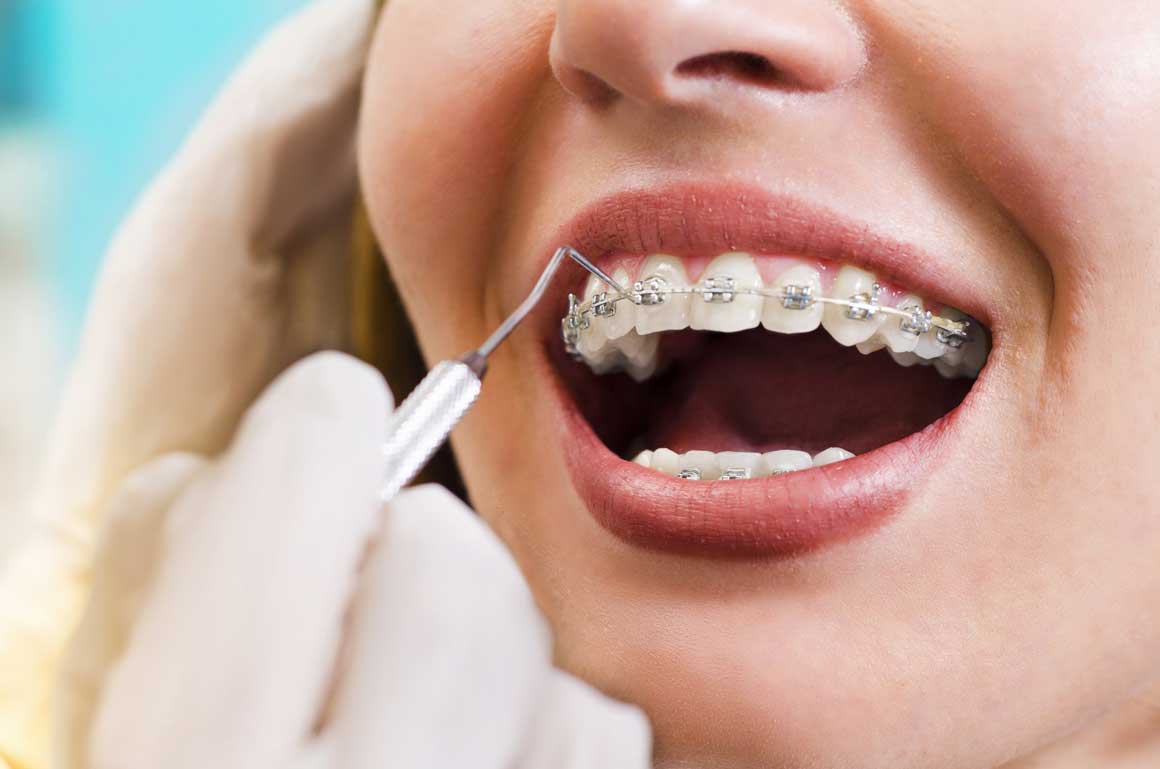
Having crooked, crowded, or uneven teeth can affect more than just your smile. They can sometimes make brushing and flossing difficult and may also affect the way you bite or chew. Dental braces are one of the most commonly used orthodontic treatments for gradually moving teeth into healthier and more balanced positions.
But how exactly do braces move teeth? How long does treatment take, and what can you expect during the process? This guide explains how dental braces work and what patients should know before starting treatment at SmileOn Dental.
Dental braces are orthodontic appliances designed to correct the position of teeth and improve the alignment of the bite. They use a controlled amount of pressure over time to guide individual teeth toward their planned positions.
Traditional braces usually consist of small brackets attached to the teeth and a thin archwire that connects them. Depending on the patient’s needs, orthodontic treatment may also involve elastic bands or other components.
Braces are commonly used to address problems such as:
Crooked teeth
Crowded teeth
Gaps between teeth
Overbite
Underbite
Crossbite
Misaligned teeth
Certain bite problems
The exact treatment depends on the condition of your teeth and jaw.
The process behind dental braces is gradual. Teeth are held in the jaw by tissues and bone, so they cannot simply be pushed into a new position overnight.
When braces apply gentle, continuous pressure to a tooth, the surrounding bone and supporting tissues gradually remodel. This allows the tooth to move slowly toward its desired position.
Here is a simple breakdown of the process:
Your orthodontic provider places brackets on selected teeth using a dental bonding material. These brackets act as small handles that help guide tooth movement.
A flexible archwire is placed through the brackets. The wire provides the force needed to guide your teeth.
As the wire applies controlled pressure, teeth begin to move gradually. The pressure is carefully managed so that movement takes place over time.
The bone around the teeth naturally changes as the teeth move. Bone can gradually break down on one side of a tooth and form on another side, creating space for the tooth to shift.
During orthodontic appointments, your braces may be adjusted or the wires may be changed. These appointments allow your dental team to monitor progress and make necessary changes.
There is no single treatment time that applies to every patient. The length of orthodontic treatment depends on the severity of the problem, the amount of tooth movement required, your age, and how consistently you follow your orthodontic care instructions.
Some patients may complete treatment in a relatively short period, while others may need braces for a few years.
Your dental professional can give you a more personalized estimate after examining your teeth and, when necessary, taking dental X-rays or other diagnostic records.
Modern orthodontics offers several options. Your dentist or orthodontist can help determine which type is appropriate for your dental needs.
Traditional metal braces use metal brackets and archwires to gradually straighten teeth. They are widely used and can treat many different alignment and bite problems.
Ceramic braces work in a similar way to traditional braces but use tooth-colored or clear brackets. Because of their appearance, some patients prefer them for a more discreet treatment option.
Self-ligating braces use brackets with a built-in mechanism to hold the arch wire. Whether they are suitable for you depends on your specific orthodontic requirements.
Clear aligners are removable trays that gradually move teeth. They are different from traditional braces and may be suitable for certain types of alignment problems.
A professional assessment is important before choosing an orthodontic treatment because not every option is suitable for every patient.
It is normal to experience some discomfort after braces are first placed or following an adjustment. You may notice pressure, tenderness, or sensitivity around your teeth.
This discomfort is generally temporary. Eating softer foods and following your dentist’s instructions can make the adjustment period easier.
If you experience severe or persistent pain, contact your dental provider so the cause can be checked.
You do not necessarily have to completely change your diet when you get braces, but certain foods should be avoided because they can damage brackets or wires.
Try to limit or avoid:
Hard candies
Chewing gum
Ice
Very hard nuts
Sticky foods
Hard foods that require excessive biting
Cutting harder foods into smaller pieces can also make eating easier and reduce stress on your braces.
Good oral hygiene becomes especially important when wearing braces. Food particles and plaque can collect around brackets and wires, increasing the risk of tooth decay and gum problems.
A good routine includes:
Brush your teeth carefully at least twice a day.
Clean around brackets and along the gumline.
Floss regularly using an appropriate flossing method.
Use orthodontic cleaning aids if recommended.
Attend scheduled dental and orthodontic appointments.
Follow your provider’s instructions about foods and oral care.
Keeping your teeth clean throughout treatment can help you achieve a healthier-looking smile when the braces are removed.
Getting your braces removed is an exciting part of treatment, but the process does not necessarily end there. Teeth can naturally shift after orthodontic treatment.
For this reason, many patients need a retainer after their braces are removed. Retainers help maintain the new position of your teeth.
Your dental professional will explain how often you should wear your retainer and how long you may need to continue using it.
Dental braces can be recommended for children, teenagers, and adults. The right time for orthodontic treatment depends on the patient’s dental development and specific needs.
You may benefit from an orthodontic evaluation if you have:
Noticeably crooked teeth
Crowding
Large gaps between teeth
Difficulty biting comfortably
An uneven bite
Teeth that are difficult to clean because of their position
An evaluation does not automatically mean you need braces. It simply helps your dental professional understand your oral health and discuss appropriate treatment options.
Dental braces can do more than improve the appearance of your smile. Correcting tooth alignment and bite problems may make daily oral hygiene easier and can contribute to better dental function.
However, orthodontic treatment is a personal decision. The most appropriate approach depends on your teeth, gums, bite, overall oral health, and treatment goals.
At SmileOn Dental, we understand that every smile is different. Our dental team focuses on evaluating your individual needs before recommending a treatment plan.
If you are considering dental braces, a professional consultation can help you understand your treatment options, expected timeline, and the care required throughout the process.
Tooth movement begins gradually after braces are placed, but visible changes can take time. Orthodontic treatment works through controlled, continuous movement rather than an immediate change in tooth position.
Yes. Adults can receive orthodontic treatment when their teeth and gums are healthy enough for treatment. Your dentist can evaluate your oral health and determine whether braces or another option may be appropriate.
Appointment schedules vary depending on your treatment plan. Regular visits allow your dental professional to monitor tooth movement and make adjustments when necessary.
Dental braces can be used to close certain spaces between teeth. The appropriate treatment depends on why the gap exists and the overall alignment of your teeth.
In many cases, retainers are recommended after orthodontic treatment to help keep teeth in their new positions. Your dental professional will provide specific instructions based on your treatment.
Dental braces work by applying controlled pressure that gradually guides teeth into better positions while the surrounding bone and tissues adapt. Because every patient’s teeth are different, treatment time and results can vary. If you have crooked, crowded, or misaligned teeth and want to explore your options, SmileOn Dental can help you understand whether orthodontic treatment may be suitable for you.
A professional dental assessment is the best place to start your journey toward a healthier, more confident smile.