Physical Address
304 North Cardinal St.
Dorchester Center, MA 02124
Physical Address
304 North Cardinal St.
Dorchester Center, MA 02124

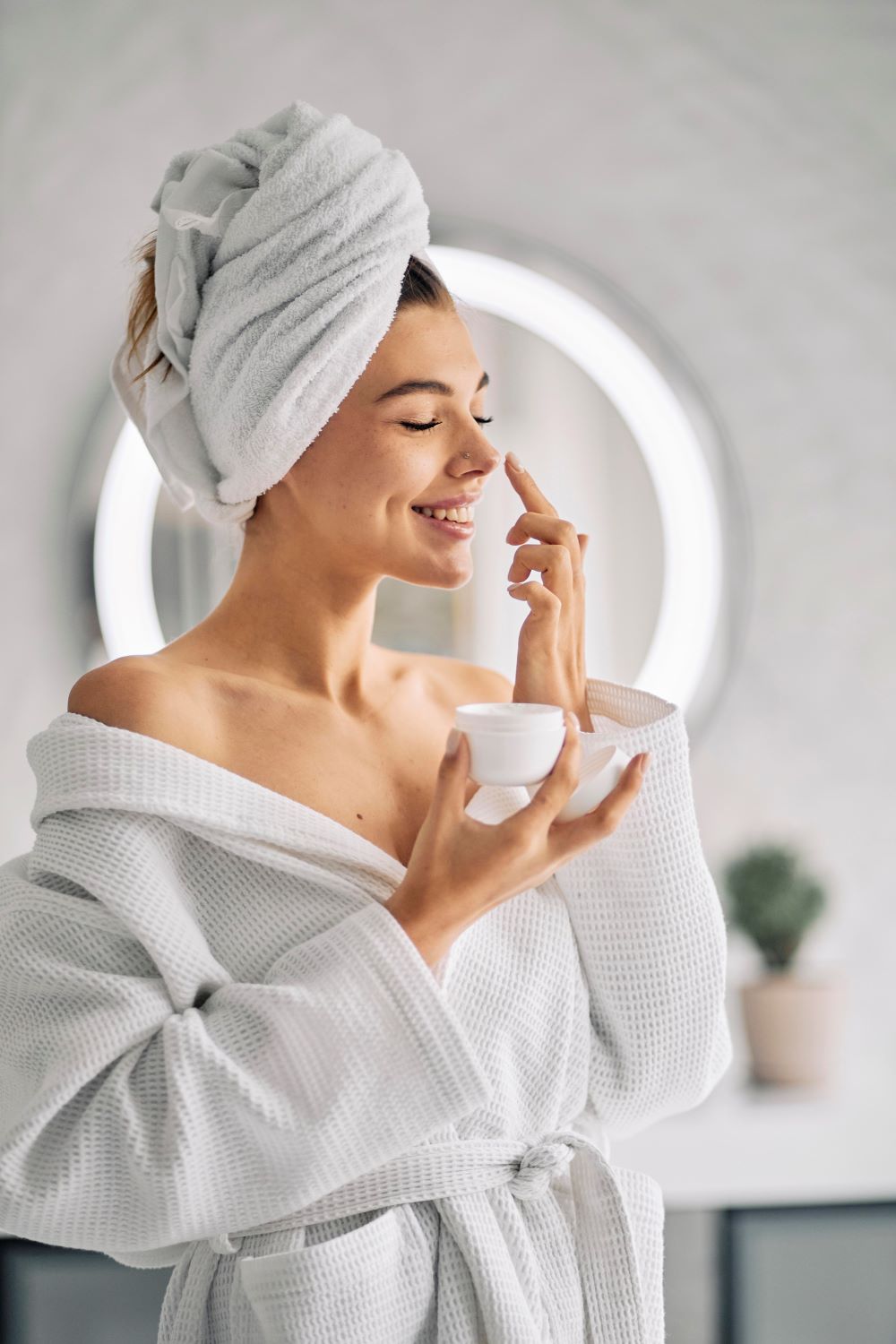
Acne is mainly caused by clogged pores, excess oil, bacteria, hormones, and inflammation. Treatment depends on the type and severity of acne and may include gentle skincare, topical medicines, oral medicines, or professional dermatology treatments.
Acne can happen when hair follicles become blocked with oil, dead skin cells, and other debris. Once a pore becomes clogged, it can develop into a whitehead, blackhead, pimple, or deeper acne lesion.
It is not simply a result of having “dirty” skin. In fact, washing the face too often or using harsh products can irritate the skin and sometimes make breakouts worse.
Several factors can contribute to acne:
The skin naturally produces an oily substance called sebum. When the sebaceous glands produce too much oil, it can mix with dead skin cells and block pores.
People with naturally oily skin may therefore be more likely to experience frequent breakouts.
Dead skin cells are normally shed from the surface of the skin. Sometimes, however, they can build up inside hair follicles and combine with oil.
This creates a plug that can develop into a blackhead or whitehead.
Hormones are one of the common reasons acne develops or becomes worse. Changes during puberty, menstrual cycles, pregnancy, or certain hormonal conditions can increase oil production.
Hormonal acne often appears around the chin, jawline, and lower face, although it can occur elsewhere.
A type of bacteria naturally found on the skin can multiply inside clogged follicles. The immune response to this process may contribute to redness and inflammation.
This is one reason some acne lesions become swollen, tender, or filled with pus.
Inflammation plays an important role in acne. When a clogged follicle becomes inflamed, the breakout may become red, swollen, and uncomfortable.
Deeper inflammation can also increase the risk of acne marks and scars.
If close family members experienced significant acne, you may have a greater tendency to develop it as well.
Genetics can influence oil production, skin characteristics, inflammation, and how strongly the skin responds to clogged pores.
Some cosmetics, hair products, or skincare products can contribute to clogged pores, especially when they are heavy or not suitable for acne-prone skin.
Certain medicines can also trigger acne-like breakouts. If you notice new acne after starting a medicine, talk with a healthcare professional rather than stopping it on your own.
Acne does not look the same for everyone. Knowing the type can help when choosing an appropriate treatment.
Mild acne may consist mostly of blackheads, whiteheads, and a few pimples. More severe acne can involve numerous inflamed or deeper lesions.
There is no single acne treatment that works for everyone. The right approach depends on the type of acne, its severity, skin sensitivity, age, and other factors.
Start with a gentle cleanser rather than aggressively scrubbing the skin.
Wash the face regularly, particularly after sweating, but avoid repeatedly washing throughout the day because excessive cleansing can irritate the skin.
Benzoyl peroxide is commonly used for inflammatory acne. It helps reduce acne-causing bacteria and can help prevent clogged pores.
It may cause dryness or irritation when first introduced, so using a suitable amount and moisturizing afterward can help.
Salicylic acid helps exfoliate inside pores and can be useful for blackheads, whiteheads, and mild breakouts.
It is often found in cleansers, gels, and other acne-focused skincare products.
Topical retinoids help keep pores from becoming clogged and are commonly used as part of long-term acne management.
They may be particularly useful when someone experiences recurring blackheads, whiteheads, and pimples.
Because some retinoid products can cause irritation and increased sun sensitivity, they should be used according to professional or product guidance.
Topical or oral antibiotics may sometimes be prescribed for inflammatory acne. They are generally used for a limited period and may be combined with other treatments.
Antibiotics should be used only as directed because inappropriate or prolonged use can contribute to antibiotic resistance.
For some women whose acne is associated with hormonal changes, healthcare professionals may consider hormonal treatment.
The choice depends on medical history, symptoms, other medicines, and individual health factors.
Isotretinoin is an oral retinoid used for certain cases of severe or persistent acne, particularly when other treatments have not worked adequately.
It can be highly effective, but tretiva isotretinoin also requires careful medical supervision because it has important risks and monitoring requirements.
It should never be started without guidance from a qualified healthcare professional.
Yes. A simple routine can support acne treatment and reduce unnecessary irritation.
Consider keeping your routine focused on:
Try introducing one new active product at a time. Using several strong products together can irritate the skin and make it harder to understand what is actually helping.
A few everyday habits can make acne harder to manage.
Acne treatment usually takes time. Some people notice early improvement within several weeks, while clearer results may take a few months.
The timeline depends on the severity of acne and the treatment being used. Stopping treatment immediately because there is no improvement after a few days can make it difficult to judge whether the treatment is working.
Consistency is often more useful than constantly switching products.
Consider professional advice if acne is painful, persistent, widespread, leaving scars, or affecting your confidence or daily life.
A dermatologist can determine whether the breakouts are acne or another skin condition and create a treatment plan based on your individual needs.
Professional care is particularly important for deep nodules, cyst-like lesions, significant scarring, or acne that has not improved with appropriate over-the-counter care.
Acne usually develops from a combination of excess oil, clogged pores, inflammation, bacteria, and hormonal or genetic factors rather than one single cause.
There is no guaranteed overnight cure for acne. Consistent use of an appropriate treatment, gentle skincare, and avoiding picking can help improve breakouts over time.
Washing helps remove excess oil and impurities, but acne is not caused simply by poor hygiene. Over-washing can irritate the skin, so gentle cleansing is generally preferable.
Severe acne may require prescription treatment, including oral medicines or isotretinoin in appropriate cases. A dermatologist can determine which option is suitable.
Treating acne early, avoiding squeezing or picking, and controlling inflammation can reduce the risk of scarring. Existing scars may require professional treatments depending on their type and severity.
Acne is a common skin condition with several possible causes, including clogged pores, excess oil, hormones, inflammation, bacteria, and genetics. The good news is that acne can often be managed with the right combination of skincare and treatment.
The most important thing is to choose treatment based on your specific type of acne rather than trying every product you see online. If breakouts are severe, painful, persistent, or leaving scars, professional dermatology advice can help you find a more appropriate long-term approach.




