Physical Address
304 North Cardinal St.
Dorchester Center, MA 02124
Physical Address
304 North Cardinal St.
Dorchester Center, MA 02124

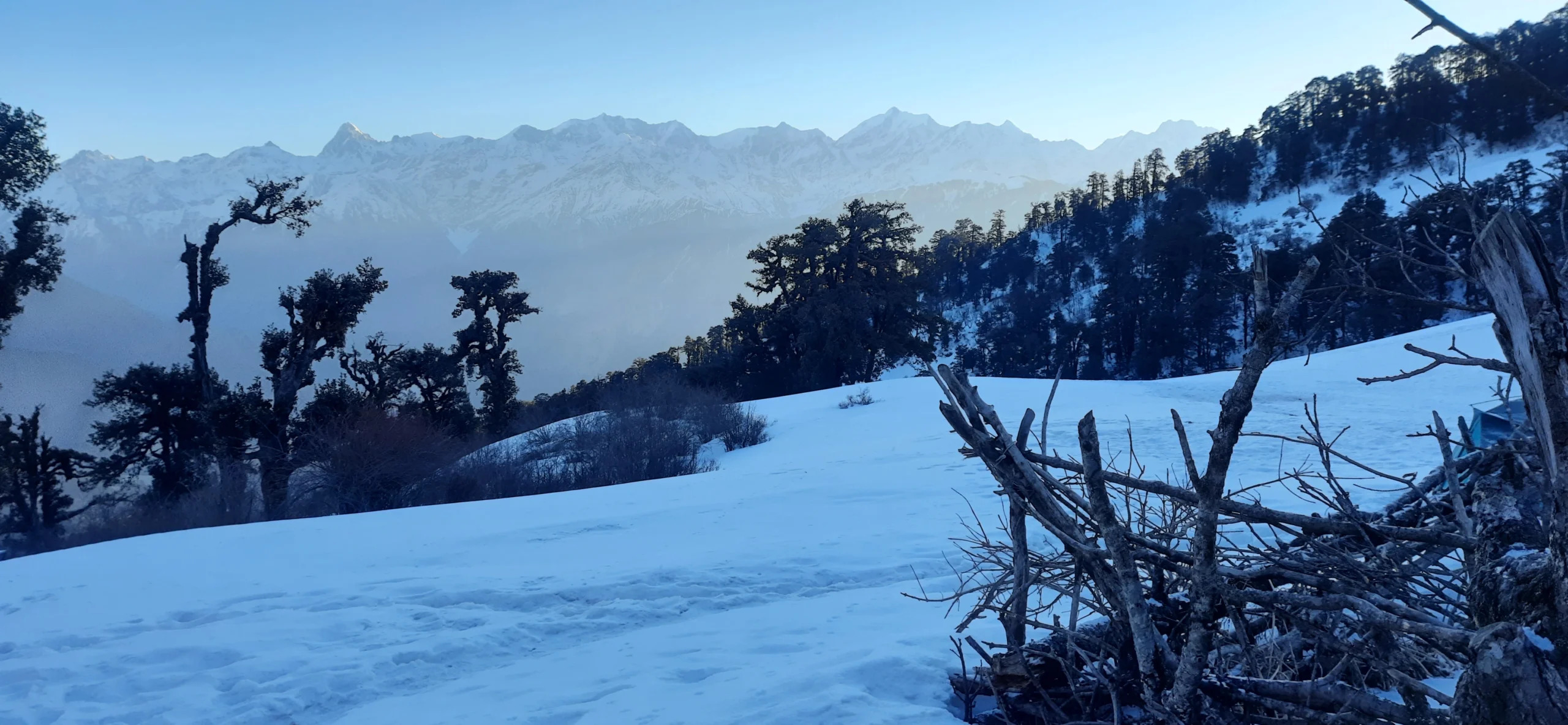
A mountain trail does not look the same throughout the year. Dayara Bugyal is a good example of this change. Located in Uttarakhand, the high-altitude meadow can look completely different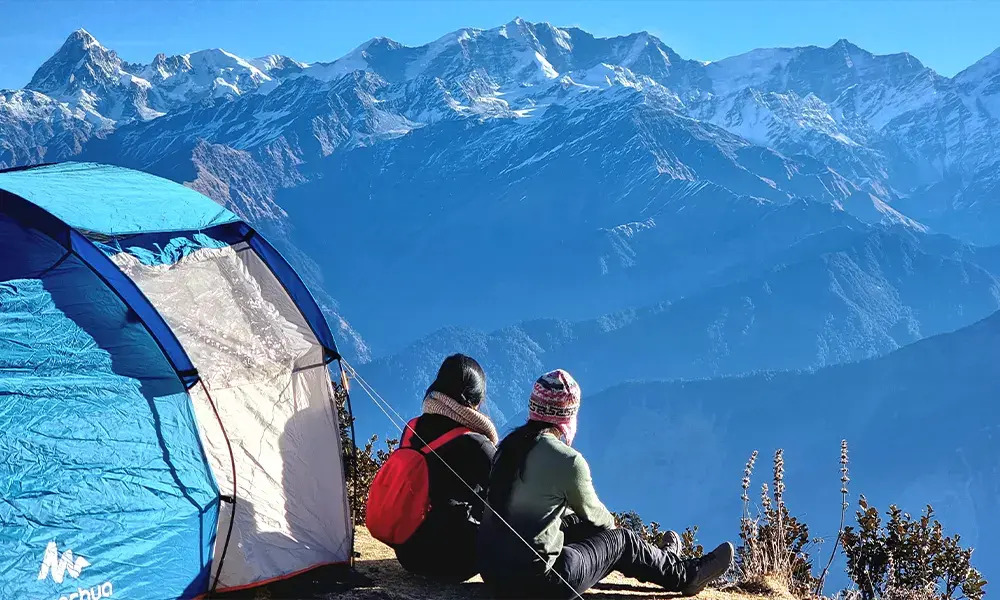 depending on when you visit. In winter, snow covers the landscape, while spring brings fresh growth and flowers. Summer turns the meadows green, and after the monsoon, the surrounding hills take on a different character.
The route is generally approached from villages such as Barsu or Raithal. Uttarakhand Tourism lists Dayara Bugyal trek as an easy-to-moderate trek and gives a total route distance of about 21 km for its Raithal itinerary.
Winter changes the trail more dramatically than any other season. Snow can cover the meadows, forest paths and surrounding slopes, turning the familiar landscape white.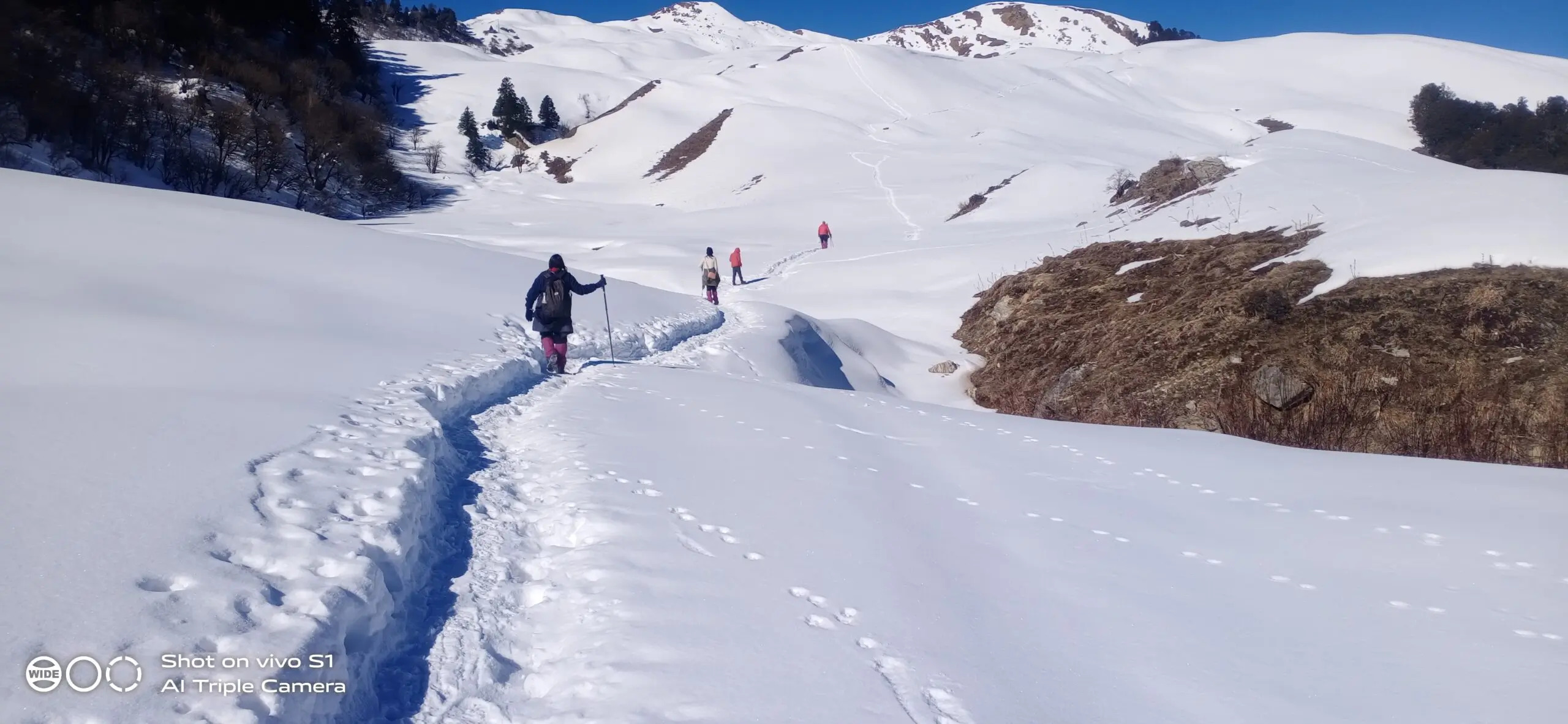
Uttarakhand Tourism notes that Dayara receives heavy snowfall from December to March. The snow-covered meadows also make the area suitable for winter activities such as skiing.
Walking in these conditions requires more attention. Snow can hide uneven ground, make the trail slippery and slow down your pace. Warm clothing, proper trekking footwear and suitable winter equipment become important.
The mountain views can also look sharper against the white landscape, although clouds and snowfall can reduce visibility.
As winter snow begins to melt, the appearance of Dayara changes again. The white landscape gradually gives way to grass, small plants and seasonal flowers.
Uttarakhand Tourism describes the meadows as becoming a green landscape after the snow melts, with wild plants and flowers appearing during the warmer months.
Spring can therefore feel less like a winter trek and more like a walk through a mountain meadow. The forest sections also become more lively as vegetation develops.
During summer, Dayara Bugyal is largely known for its open green meadows. The rolling grassland provides a very different experience from the snow-covered winter route.
The meadow is also connected with the seasonal movement of local livestock. According to Uttarakhand Tourism, villagers from Raithal traditionally take their cattle to the high meadows during the warmer months, where they remain until the rainy season.
For trekkers, summer generally means a clearer walking surface, although the weather can still change at higher elevations. The open terrain also provides broad views of surrounding Himalayan peaks.
The post-monsoon landscape has its own appearance. The grass and vegetation remain fresh, while the air can feel clearer after the rainy period.
However, wet trails can be muddy or slippery in and around the rainy season. Uttarakhand Tourism currently lists January–June and September–November among the preferred periods for its Dayara Bugyal trekking itinerary, leaving the main monsoon months outside that stated window.
This seasonal difference matters because a trail that is comfortable in dry conditions can require more careful footing after rain.
The changing seasons are not limited to the meadow. The approach trail passes through forests containing oak and rhododendron. In winter, these sections may be surrounded by snow, while warmer months reveal more of the vegetation and natural colours.
The official winter itinerary describes the route from Raithal towards Gui as moving from a maintained trail into wooded sections containing oak and rhododendron.
This means that even before reaching the main meadow, trekkers can notice how strongly the season influences the landscape.
The right preparation depends on the season. A winter trek needs stronger protection against cold and snow, while warmer months require attention to sun exposure, hydration and changing weather.
Regardless of the season, comfortable trekking shoes are important because parts of the route can be uneven. A backpack should contain water, basic first-aid supplies, personal medicines and clothing appropriate for changing mountain temperatures.
Fitness also matters. Although Dayara Bugyal is generally described as an easy-to-moderate trek, walking uphill for several hours can still be tiring. Regular walking and stair climbing before the trip can help build endurance.
The interesting thing about the Dayara Bugyal Trek is that the route itself may remain familiar while the experience changes completely with the season.
Winter turns the meadows into a snow-covered landscape. Spring brings new vegetation and flowers, summer creates broad green grasslands, and the post-monsoon period gives the hills a fresh appearance.
Choosing a season is therefore not only about finding a convenient travel date. It also determines what kind of landscape you will see and what conditions you may encounter on the trail. Checking current weather and trail conditions before travelling is important, especially because mountain conditions can change quickly.