Physical Address
304 North Cardinal St.
Dorchester Center, MA 02124
Physical Address
304 North Cardinal St.
Dorchester Center, MA 02124

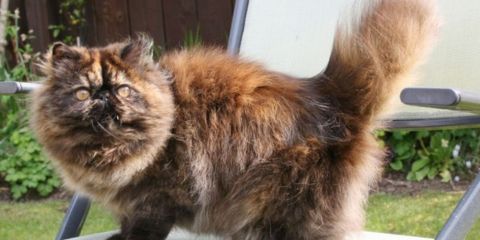
Fluffy, patchy coats. Big, bright copper eyes. A sweet, quiet charm that wins hearts right away. Tortoiseshell Persian Kittens carry a special look that catches your eye, but few people know what their early life looks like before they move to a new home.
Beautiful Fur Patterns and Early Physical Growth
A cat’s genetic makeup creates the unique mix of black, cream, red, and brown on a tortie coat. Mother cats pass down these color traits on their X chromosomes, making every coat pattern slightly different. Male tortoiseshell cats are extremely rare because of how cat genetics work.
Baby kittens need close daily care. A healthy newborn weighs only a few ounces and gains weight steadily every day. Their eyes stay closed during their first week, opening slowly over the next seven to fourteen days. At first, their eyes look a bit cloudy and blue. By six weeks, those eyes shift toward their final shade of copper or green.
Learning Good Habits and Getting Social
Little kittens need a structured routine to grow into happy pets. Muscle control gets better after three weeks of age as kittens learn to walk, run, and play. Gentle handling during this stage shapes how comfortable they feel around people.
Early daily care sets up a kitten’s future personality. Growing up in open, cage-free spaces helps kittens stay relaxed and confident. Meeting family members, visitors, and other friendly pets keeps them from becoming shy.
Feeding Steps From Nursing to Solid Food
Growing kittens need good food to build strong bones. A mother’s milk supplies key nourishment and immune support during the first two days after birth. Moving from milk to solid food requires a slow, step-by-step approach.
Simple Healthcare and Easy Grooming Steps
Persian cats have flat, sweet faces that require extra attention. Short noses make kittens sensitive to dusty rooms and cold breezes. Clean living areas keep their breathing clear and healthy.
Thick fur is another area that needs simple care. Double coats start growing denser around six weeks, so starting a brushing routine early helps a lot. Gentle daily brushing keeps mats away and turns grooming into a pleasant bonding moment.
Early vet care typically starts around eight weeks of age with basic shots that protect against common feline illnesses. Regular health checks, weight tracking, and clear health tracking keep young kittens growing on the right track.
Finding Healthy Tortoiseshell Persian Kittens for Sale
Choosing a good breeder means looking closely at how kittens are raised, their health checks, and their daily living setup. Responsible catteries keep their breeding small, screening parent cats for common genetic heart and kidney conditions to protect future litters. Anyone looking at Tortoiseshell Persian Kittens for Sale should ask for clear medical records and social history before making a final choice.
The Egyptian Persians Difference
Egyptian Persians maintains exceptional standards across all breeding practices. Their cage-free environment allows young animals to roam freely alongside family activities, children, and household pets. They prioritize health by conducting genetic screenings for common hereditary conditions while providing comprehensive healthcare guarantees. Their hand-raised Tortoiseshell Persian Kittens receive structured grooming practice, proper weaning routines, and attentive social care, ensuring each animal transitions smoothly into its new home.




