Physical Address
304 North Cardinal St.
Dorchester Center, MA 02124
Physical Address
304 North Cardinal St.
Dorchester Center, MA 02124

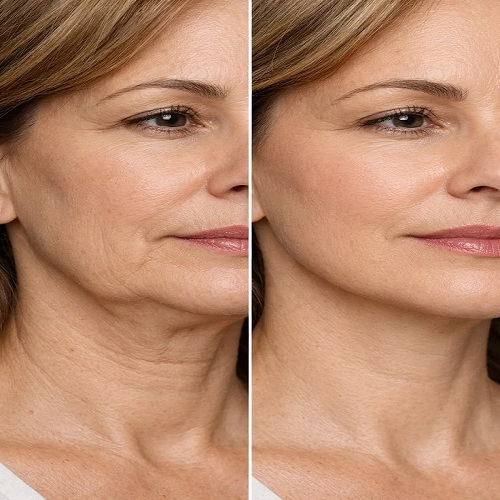
Misinformation about aesthetic medicine spreads quickly, and patients often arrive at consultations carrying beliefs that have no clinical basis. Anti-Aging Treatment in Dubai is surrounded by claims that range from exaggerated to outright false, and these myths affect how people approach treatment, what they expect, and sometimes whether they seek appropriate care at all. This article examines the most common misconceptions and explains what the clinical reality actually looks like.
This is the most persistent misconception and the most important to correct.
No aesthetic treatment halts biological aging. Collagen continues to decline, volume continues to shift, and tissue continues to change. What treatment can do is address specific visible concerns at a point in time and soften certain changes as they progress.
The clinical reality: Treatment modifies appearance temporarily. Aging continues underneath, which is why maintenance is a normal part of care rather than evidence that something failed.
Patients sometimes expect to see the final outcome immediately after treatment. This expectation leads to unnecessary concern during the early post-treatment period.
The clinical reality: Most treatments produce change gradually. Neuromodulators typically develop over several days to two weeks. Fillers settle as swelling resolves. Energy-based and collagen-stimulating treatments continue developing for weeks to months afterward.
Judging results on the day of treatment is rarely meaningful.
There is a widespread assumption that higher volumes or more frequent treatment produce more impressive outcomes.
The clinical reality: More is not reliably better. Excessive filler volume can produce an unnatural appearance rather than a refreshed one. Repeated treatment without adequate intervals can compromise tissue rather than improve it. Appropriate dosing is determined by assessment, not by the desire for a stronger effect.
Many younger patients assume treatment is not relevant to them, while some believe it is inappropriate before a certain age.
The clinical reality: Suitability depends on tissue characteristics and specific concerns rather than age. Some younger adults have concerns that may be appropriately addressed conservatively. Some older adults have concerns better suited to surgical consultation. Age alone determines very little.
Some patients avoid treatment because they fear an obviously “done” appearance.
The clinical reality: Natural-looking outcomes are achievable and are generally the goal of careful treatment planning. An artificial appearance more often results from over-treatment, inappropriate product selection, or treatment that does not match the underlying concern, rather than from treatment itself.
The reverse misconception also exists: that non-surgical options can achieve anything surgery can.
The clinical reality: These approaches address different aspects of aging. Non-surgical treatment works well for volume loss, expression lines, skin quality, and mild laxity. Significant skin excess and pronounced tissue descent generally require surgical assessment. Pursuing escalating non-surgical treatment for a concern that surgery would address more meaningfully often produces diminishing returns.
Price differences between clinics are sometimes interpreted as pure markup.
The clinical reality: Cost differences often reflect genuine variation in product quality, practitioner training, facility standards, and follow-up care. Unregulated or unverified products and inadequately trained practitioners exist in the market. Choosing on price alone transfers risk rather than saving money.
Aesthetic procedures are sometimes presented as entirely safe with no downside.
The clinical reality: Every medical procedure carries some degree of risk, including infection, bruising, asymmetry, allergic reaction, and in rare cases more serious complications. Responsible clinics discuss these openly rather than dismissing them. The presence of risk does not make treatment inadvisable, but it does make honest disclosure essential.
Some patients believe that beginning treatment creates a dependency or that stopping will make their appearance worse than before.
The clinical reality: Treatment effects fade gradually as the product metabolises or the biological response declines. Stopping treatment returns you toward your natural aging trajectory rather than making you look worse than if you had never started. There is no physiological dependency.
At the opposite extreme, some patients believe that a good skincare routine makes clinical treatment unnecessary.
The clinical reality: Skincare supports skin health and can improve texture and tone, but it does not restore lost facial volume, reduce muscle-generated expression lines, or produce the collagen response associated with energy-based treatment. These address different things, and both have a role.
Tajmeels Clinic in Dubai approaches patient education as part of the consultation process, addressing misconceptions directly rather than reinforcing them. Clinics that correct unrealistic expectations, and that explain what treatment can and cannot do, support better decision-making than those that simply affirm whatever the patient hopes to hear.
Is this claim about treatment supported clinically?
What is realistic to expect in my case?
What are the limitations of this approach?
What would happen if I did nothing?
Which of my expectations may need adjusting?
Myths about Anti-Aging Treatment in Dubai range from the exaggerated to the outright false, and they shape expectations in ways that affect satisfaction and safety. Understanding what treatment can realistically achieve, what its limitations are, and why professional assessment matters allows you to approach decisions with clarity rather than assumption. If something you have read seems too convenient or too dramatic to be true, it is worth verifying during a consultation. A discussion at Tajmeels Clinic in Dubai can help separate clinical reality from commonly repeated misinformation.
WhatsApp: +971 56 203 8751
Phone: +971 4 373 9000
Social Media:




