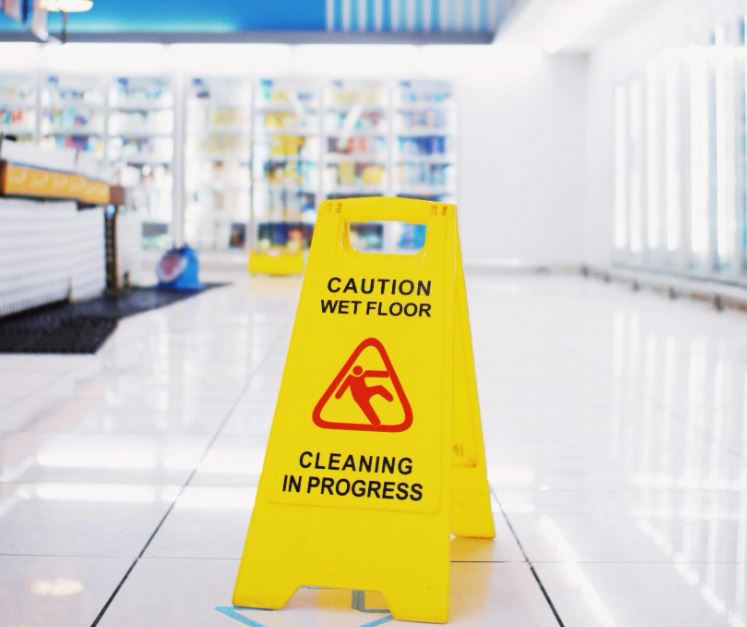
Not all grocery store falls are the same, and neither is the evidence needed to win a claim. A fall caused by a puddle near the entrance is different from one caused by a grape rolled off the produce display, which is different again from a spill near a sample station that no one cleaned up for twenty minutes. Understanding the specific hazard that caused your fall, and what it takes to prove the store should have caught it, can make the difference in a successful claim.
If you were hurt in a fall at a Glendale grocery store, a Glendale slip and fall accident lawyer can help you build the specific kind of case your situation calls for.
Why the Type of Hazard Changes Your Legal Strategy
California premises liability law generally requires showing that a store knew, or should have known, about a dangerous condition and failed to fix it within a reasonable time. But “reasonable time” and “should have known” look very different depending on what caused the hazard:
- A spill from a burst product package might happen seconds before you walk through it, making notice a harder question.
- A recurring problem, like a leaky freezer case, might have created a puddle that existed for hours or even days, making constructive notice easier to establish.
- An employee-caused spill, such as during restocking or cleaning, may establish actual notice immediately, since the store’s own staff caused the condition.
Identifying exactly how and when the hazard developed shapes the entire direction of a claim.
Produce Section Hazards
Produce areas are a leading source of grocery store falls because they combine several risk factors:
- Misting systems that keep vegetables fresh but can leave standing water or overspray on the floor
- Dropped or rolled produce, such as grapes, berries, or small items that fall from displays and go unnoticed
- Bag or container leaks, particularly from items like leafy greens sold with damp paper towels or in misted bags
- High customer handling, since shoppers frequently pick up and put back produce, increasing the chance of drops
Stores that use misting systems generally have a heightened duty to manage the resulting water buildup, since the hazard is a foreseeable byproduct of their own equipment. Evidence about misting schedules, mat placement, and staff inspection routines in the produce section can be particularly relevant.
Sample and Prepared Food Station Hazards
Free samples, hot food bars, and prepared food areas create their own hazards:
- Spilled sauces, juices, or crumbs near sample tables
- Grease or oil from hot food stations
- Cups, toothpicks, or napkins dropped on the floor near sampling areas
- Staff distraction, since employees running sample stations may be focused on customer interaction rather than floor conditions
Because sample stations are typically staffed, an employee’s presence can support an argument that the store had actual notice of any hazard that developed nearby, since staff were right there when it happened.
Refrigerated and Frozen Aisle Hazards
- Condensation forming on floors near open refrigerated cases
- Ice buildup near freezer doors, especially in areas with heavy foot traffic
- Leaking cases or doors that don’t seal properly
- Temperature-related floor conditions that develop gradually over a shift
These hazards often develop slowly and predictably, which can make constructive notice easier to establish: a chronically leaking freezer case is a known, recurring problem rather than an isolated one-time spill.
Checkout and Entryway Hazards
- Tracked-in rainwater during wet weather
- Cart wheel residue from wet parking lots
- Dropped items near registers and bagging areas
- Worn or bunched floor mats that create tripping hazards rather than slipping hazards
Entryway hazards during rainy weather raise a specific question: did the store have a reasonable system in place for managing wet floors during foreseeable weather conditions, such as mats, signage, and increased inspection frequency?
What Evidence Matters for Each Type of Hazard
Regardless of where your fall happened, certain evidence is almost always valuable:
- Surveillance footage, which can show not just the fall itself but how long the hazard existed beforehand and whether employees walked past it
- Incident reports, which stores typically generate after a fall is reported
- Inspection and cleaning logs, which may show whether the store followed its own safety procedures
- Photos of the specific hazard, taken as soon as possible after the fall and before cleanup
- Witness statements, including from other customers and any nearby employees
- Records of prior similar incidents at the same location, which can establish that the store knew about a recurring problem
How Store Layout and Signage Affect Your Claim
Stores often place warning signs, cones, or mats near known hazard areas, such as entrances during rain or near recently mopped floors. Whether adequate warnings were present at the time of your fall matters:
- No warning at all near an obvious ongoing hazard can strengthen a claim significantly
- A warning sign placed too far from the actual hazard, or one that was knocked over or not clearly visible, may not satisfy the store’s duty
- Proper signage that was actually in place and visible can support the store’s defense, though it doesn’t automatically defeat a claim if the underlying hazard should have been fixed rather than just marked
Photographing the presence or absence of warning signage at the time of your fall is one of the most valuable things you can do.
Comparative Negligence and Hazard-Specific Defenses
California follows pure comparative negligence, meaning that if you’re found partly at fault, your compensation is reduced by your percentage of responsibility rather than eliminated. For example, if you’re found 20% at fault for a $75,000 loss, you could still recover $60,000.
Insurers often raise hazard-specific defenses:
- For produce section falls: “The hazard was open and obvious given the wet floor near the misters”
- For sample station falls: “You should have been watching where you walked around a busy area”
- For entryway falls: “It was raining, so wet floors were foreseeable and you should have expected them”
These arguments don’t automatically succeed. A store’s awareness of a foreseeable hazard, such as rain-related wet floors, can actually strengthen an argument that the store should have had better systems in place, rather than excuse the store from responsibility.
Common Injuries From Grocery Store Falls
- Broken wrists, hips, and ankles
- Traumatic brain injuries and concussions
- Back and spinal injuries, including herniated discs
- Knee and shoulder injuries
- Cuts and bruises
- Emotional distress and fear of falling again
What to Do Immediately After Your Fall
- Get medical attention, even if the injury seems minor at first.
- Report the fall to management and request an incident report.
- Photograph everything: the specific hazard, its exact location, any nearby signage or lack of signage, and the surrounding area.
- Note the time as precisely as you can, since this helps establish how long the hazard may have existed.
- Identify the section of the store, such as “produce, near the leafy greens display” rather than just “the store,” since specifics matter.
- Get witness contact information.
- Ask that surveillance footage be preserved.
- Avoid giving a recorded statement to the store’s insurer without legal advice.
- Contact an attorney promptly, since footage retention periods vary and hazards get cleaned up quickly.
Compensation You May Be Able to Recover
- Medical expenses: emergency care, surgery, physical therapy, and future treatment
- Lost wages and loss of earning capacity
- Pain and suffering and loss of enjoyment of life
- Out-of-pocket costs related to your recovery
Deadlines to Keep in Mind
- Most premises liability lawsuits: generally two years from the date of injury
Don’t assume you have unlimited time to gather evidence, since footage and physical conditions change quickly even though the filing deadline itself is not immediate.
How a Glendale Slip and Fall Accident Lawyer Can Help
An experienced attorney can:
- Identify the specific type of hazard involved and build the appropriate evidentiary strategy
- Send preservation demands for surveillance footage before it’s overwritten
- Obtain store inspection, cleaning, and maintenance records relevant to that section of the store
- Investigate whether similar incidents have occurred at the same location
- Work with medical providers to document your injuries
- Handle negotiation with the store’s insurer
- File suit and pursue the case through trial if necessary
Many personal injury firms work on a contingency fee basis, meaning you typically pay no attorney fees unless you recover compensation. Confirm the terms during your consultation.
Hurt in a Grocery Store Fall? Get Answers
Whether you fell near the produce misters, a sample table, or a wet entryway, the specific circumstances of your fall matter to building a strong claim. If you were injured in a slip and fall at a Glendale grocery store, contact a Glendale slip and fall accident lawyer to discuss what happened and learn what options may be available.