Physical Address
304 North Cardinal St.
Dorchester Center, MA 02124
Physical Address
304 North Cardinal St.
Dorchester Center, MA 02124

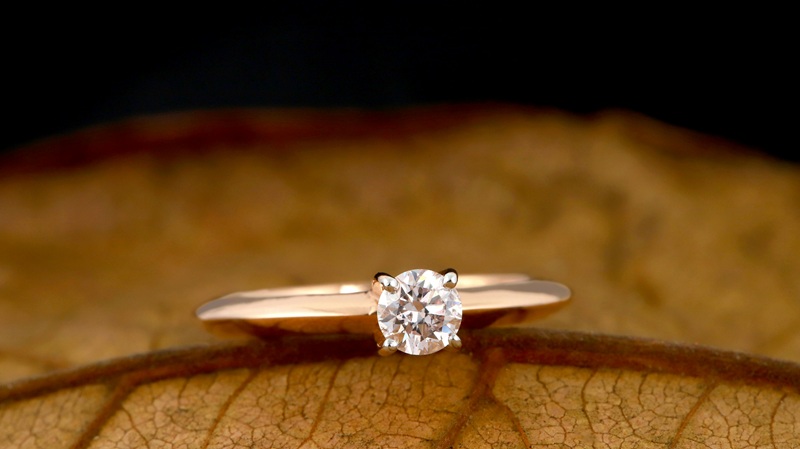
Solitaire wedding rings keep the focus firmly on one central diamond. There are no surrounding clusters competing for attention, which is part of the appeal. The design can be simple, but that does not mean every solitaire looks the same. The diamond shape, setting, band profile, and metal can completely change the finished ring.
If you prefer jewellery that feels considered without being overly complicated, a solitaire is worth looking at. Start with the diamond, then work outwards.
Quick Summary
Practical Information Table
|
Feature |
What to Consider |
Suitable For |
|
Diamond shape |
Outline, proportions and style |
Defining the ring’s overall character |
|
Setting |
Security, height and diamond visibility |
Balancing appearance with practicality |
|
Metal |
Colour, durability and maintenance |
Matching lifestyle and existing jewellery |
|
Band |
Width, profile and finish |
Creating comfortable proportions |
|
Diamond quality |
Cut, colour, clarity and carat |
Balancing appearance and budget |
A solitaire may sound like one very specific style, but there is plenty of variation. A slim band with a raised round diamond gives a classic appearance, while a wider band can make the same stone feel more contemporary.
Think about how you normally wear jewellery. If your style is understated, a simple band and neat setting may feel more natural. If you like a little more detail, consider subtle features such as a shaped band, knife-edge profile, or small design details around the setting. The size of the centre diamond also changes the proportions. A larger stone can become the obvious focal point, while a smaller diamond can create a quieter look that is easy to wear every day. And that is really the point of a solitaire. There is nowhere for the design to hide, so every detail matters.
When choosing the diamond shape of a solitaire ring, you should consider the stone silhouette and its appearance on the finger.
The traditional round shape of the diamond is quite fitting for most settings of the solitaire wedding ring because of its symmetrical shape. The oval shape gives an elongated shape for the diamond, while the pear shape combines both roundness and pointiness. Cushion-cut diamonds have softer corners and can give a solitaire a more vintage-inspired feel. There is no universally correct shape. Look at the actual proportions rather than choosing based only on the name of the cut.
The setting is not just a technical detail. It affects the visibility of the diamond, the height of the setting, and the feel of the ring on your finger.
Prong settings expose much of the diamond, which can help keep the focus on the centre stone. Slightly different visual effects can also be created by four-prong and six-prong designs.
Claw setting: The diamond is surrounded by metal forming a bezel. This protects the diamond’s edges and gives a more enclosed appearance. This can be especially helpful for someone who likes a low-profile design.
When choosing a solitaire wedding ring setting, also think about the wedding band you may eventually wear alongside it. A high setting can leave enough space for a straight wedding band, while a lower design may require a shaped or curved band.
The main solitaire wedding ring metals include platinum, white gold, yellow gold, and rose gold. Each gives the same basic solitaire structure a noticeably different appearance.
Platinum is naturally white and is valued for its strength, making it a good choice for a ring you’ll wear every day.
White gold has a similar bright look, but is usually rhodium-plated and may need to be re-plated as the plating wears off.
Yellow gold adds a warmer, more classic look to the ring. It can also add a visible contrast against a colourless-appearing diamond.
Rose gold has a warmer pink tone and is a softer alternative to traditional yellow or white metals.
Consider your existing jewellery, too. Matching metals can create a coordinated look, but mixing them is perfectly workable if that is more your style.
Before buying, look beyond the overall appearance. Check the diamond’s grading information, proportions, and setting details, particularly if the ring will be worn every day.
The 4Cs- cut, colour, clarity, and carat weight- provide a useful framework for comparing diamonds. Cut deserves particular attention because it affects how a diamond interacts with light. Then check the ring itself. Is the band comfortable? Does the setting sit at a practical height? Is the diamond secure? Will the design work with the wedding band you have in mind? Try not to choose based on carat weight alone. Two diamonds of the same carat weight may have different dimensions and appearances depending on their shape and proportions
If you are still comparing designs, exploring different solitaire settings and diamond shapes side by side can make the differences much easier to see. A closer look at the available options can help you narrow down a ring that feels right rather than simply ticking the usual boxes.
Conclusion
Solitaire wedding rings offer a straightforward design centred around one diamond, but there is plenty of room for personal choice. Diamond shape, setting, metal, band width and proportions all affect the finished appearance. Start with the shape you like, then consider how the setting and metal support it. Most importantly, think about how the ring will feel after the novelty has worn off. It needs to look good, yes, but it also needs to fit into real life. That is where a good solitaire earns its place.




