Physical Address
304 North Cardinal St.
Dorchester Center, MA 02124
Physical Address
304 North Cardinal St.
Dorchester Center, MA 02124

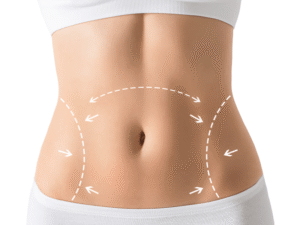
Few aesthetic procedures generate as much conflicting information online as surgical fat removal. Between marketing claims, forum anecdotes, and clinical guidance, patients often struggle to form a clear picture. This complete patient guide consolidates the essential information about liposuction in Dubai into a single structured reference — covering candidacy, procedure, recovery, risks, cost, and long-term maintenance. It is intended to support, not replace, a professional consultation.
Surgical fat removal reduces localized deposits of subcutaneous fat using a cannula connected to a suction device. It is a contouring procedure rather than a weight-loss method, and it works best for patients near their stable weight who have stubborn fat pockets resistant to diet and exercise.
The removed fat cells do not regenerate in the treated area, which is why results are generally durable when weight remains stable. Remaining fat cells elsewhere can still enlarge, so the procedure does not confer immunity to future weight gain.
Candidacy rests on several factors assessed together:
Weight stable for several months
Reasonable skin elasticity
Localized rather than generalized fat deposits
Well-controlled general health
Realistic expectations about outcomes
Patients who are significantly overweight, have poor skin tone, or have uncontrolled medical conditions may be advised to delay or pursue alternatives. A thorough assessment is the only reliable way to determine suitability.
A proper consultation includes medical history review, physical examination, discussion of goals, and an honest explanation of risks. The clinician will assess fat distribution, skin quality, and symmetry, and will explain which techniques are appropriate for your anatomy.
Expect to discuss:
Number of areas to be treated
Estimated volume to be removed
Anesthesia type and provider
Facility and accreditation
Recovery expectations and aftercare
Itemised costs and what is included
You should leave with a written plan and adequate time to consider it.
The typical sequence involves tumescent fluid infiltration to reduce bleeding and discomfort, small incisions placed in concealed locations, controlled aspiration of fat using a cannula, and application of a compression garment.
Technique variations include tumescent, ultrasound-assisted, laser-assisted, and power-assisted approaches. Selection depends on tissue characteristics, treatment area, volume, and surgeon experience rather than patient preference alone.
Procedure duration ranges from under an hour for a single small area to several hours for multiple regions. Staged procedures may be recommended when larger volumes are involved.
Recovery unfolds in phases:
Days 1–3: Soreness, swelling, bruising; medication and rest
Days 4–7: Improved mobility; continued garment use
Weeks 2–3: Return to desk work; gentle walking only
Weeks 4–6: Gradual return to exercise if cleared
Months 2–6: Contour settles and skin adapts
Compression garments are worn as instructed, often continuously at first. Swelling may make early results look disappointing — this is normal and temporary.
Common side effects include swelling, bruising, soreness, temporary numbness, and minor drainage. These typically resolve over days to weeks.
Less common but more serious complications include infection, seroma, hematoma, contour irregularities, skin laxity, and — rarely — fat embolism. Risk is influenced by patient selection, volume removed, facility standards, and surgeon qualifications.
Patients should be given clear instructions about warning signs requiring urgent contact, including fever, worsening pain, excessive bleeding, and shortness of breath.
Pricing varies according to clinical complexity rather than a fixed rate. Key factors include:
Volume of fat removed
Number of treatment areas
Technique and equipment used
Anesthesia type and provider
Facility accreditation and staffing
Included aftercare and revision provisions
A transparent quotation is itemised. When comparing clinics, compare what each quotation contains rather than the headline figure. Unusually low prices often exclude elements that matter for safety.
Verify surgeon credentials, hospital privileges, facility accreditation, and anesthesia arrangements. A thorough consultation, clear risk discussion, and written documentation are markers of a responsible practice.
At Tajmeels Clinic in Dubai, consultations follow a structured assessment process so that patients understand suitability, technique rationale, and aftercare before making any decision.
Results endure best when weight remains stable. Regular activity, balanced nutrition, adequate hydration, and routine follow-up support longevity. Significant weight fluctuation can alter the original contour, particularly in untreated areas.
This procedure can deliver meaningful, lasting contour improvement for appropriately selected patients — but it requires honest assessment, realistic expectations, and consistent aftercare. Use this guide as a foundation for your consultation rather than a substitute for it. A discussion with Tajmeels Clinic in Dubai can clarify how these considerations apply to your individual situation. Suitability, costs, and outcomes vary between patients.
WhatsApp: +971 56 203 8751
Phone: +971 4 373 9000
Social Media:




