Physical Address
304 North Cardinal St.
Dorchester Center, MA 02124
Physical Address
304 North Cardinal St.
Dorchester Center, MA 02124

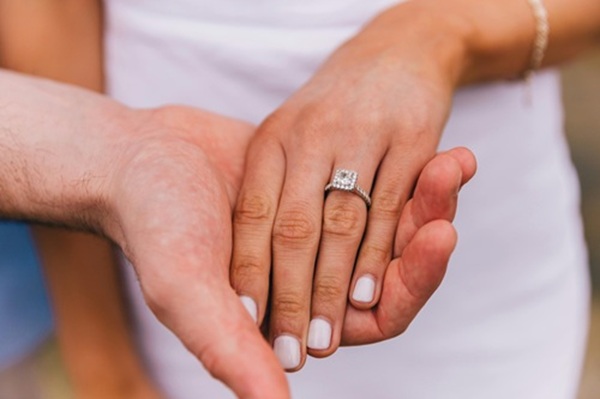
Choosing diamond engagement rings is not only about the right diamond that appeals to you. The cut, the setting, the carat weight, and the budget all add to the final look and wearing experience. In London, where the style can be anything from classic solitaire diamond rings to intricate vintage-style rings, knowledge about such features will help to distinguish between options and choose a ring thoughtfully instead of hastily.
Quick Summary
For diamond engagement rings, London buyers should compare the diamond and setting together before making a decision.
Practical Information Table
|
Factor |
What to Check |
Why It Matters |
|
Cut |
Proportions, symmetry and polish |
Determines how effectively the diamond reflects light |
|
Setting |
Prong, bezel, halo, or other styles |
Affects appearance, security and maintenance |
|
Carat |
Diamond weight and dimensions |
Influences size and overall cost |
|
Shape |
Round, oval, cushion, pear and more |
Changes the visual character of the ring |
|
Budget |
Diamond, metal and setting costs |
Keeps the purchase within a realistic limit |
When comparing diamond engagement rings, start with the diamond and the ring design as two connected elements. A high-quality diamond can look quite different depending on its shape, proportions and setting.
Certification is also worth checking, particularly for a higher-value diamond. A recognised grading report provides information about characteristics such as colour, clarity, carat weight and cut, giving you something objective to compare.
Then consider the metal. Platinum, white gold, yellow gold and rose gold can each change the overall appearance of the same diamond. The width of the band matters too. A delicate band can make the centre stone appear more prominent, while a wider design creates a different visual balance.
The best diamond cut for engagement ring choices depends partly on what you want the diamond to show visually. Cut and shape are not quite the same thing. Shape describes the outline, while cut refers to how the diamond has been fashioned to interact with light.
Round brilliant diamonds have a brilliant shine. Different proportions and visual effects are created by oval, pear, marquise, and cushion shapes. Two diamonds of the same carat weight can look very different in size and shape.
Look past the carat. A well-cut, well-proportioned diamond with good symmetry and polish can be more visually impressive than a larger stone with weak light performance.
The setting of an engagement ring should enhance your diamond and give you the protection and practicality you desire. One style does not fit all stones, nor all lifestyles.
Prong settings: Display more of the diamond and allow for plenty of light.
Bezel Settings: Metal encircles the diamond to provide extra protection to the stone.
Halo settings: Surround the centre stone with smaller diamonds for a more intricate design.
Shoulder settings: Add diamonds along the band while keeping attention on the centre stone.
The shape of the diamond matters here. An elongated stone such as an oval may look different in a halo compared with a simple solitaire. It is worth viewing the complete ring rather than choosing a setting in isolation.
A diamond engagement ring carat refers to the diamond’s weight, not its exact visible dimensions. This is an important distinction, as the proportions and shape can influence how large a stone looks viewed from above.
For example, a longer shape may look bigger on the surface than a round diamond with the same weight. Changes perception and bandwidth. A smaller centre stone can look more impressive on a slim band, or additional stones can create a fuller design.
When you compare carat sizes, here are a few things to remember:
There is no universal amount that needs to be spent on an engagement ring. A sensible budget starts with what you can comfortably afford and then considers how that amount should be divided between the diamond, setting and metal.
Rather than choosing a carat target first, compare diamonds across the 4Cs and see where compromises make sense. You might prioritise cut over carat, for example, if brilliance matters more to you than maximum size.
In the case of diamond engagement rings, London shoppers can also compare different jewellers, designs and certification options before making a commitment. Ask about the metal, diamond grading, setting construction, resizing and aftercare. These details can matter long after the initial purchase.
Conclusion
Choosing diamond engagement rings becomes much clearer when cut, setting, carat, and budget are considered together. Pick the diamond qualities that are most important to you and then find an engagement ring setting that enhances its shape and proportions. From there, keep the carat size realistic and make sure the complete design fits your budget. Taking time to compare the details can make the final choice feel much more straightforward.




