Physical Address
304 North Cardinal St.
Dorchester Center, MA 02124
Physical Address
304 North Cardinal St.
Dorchester Center, MA 02124

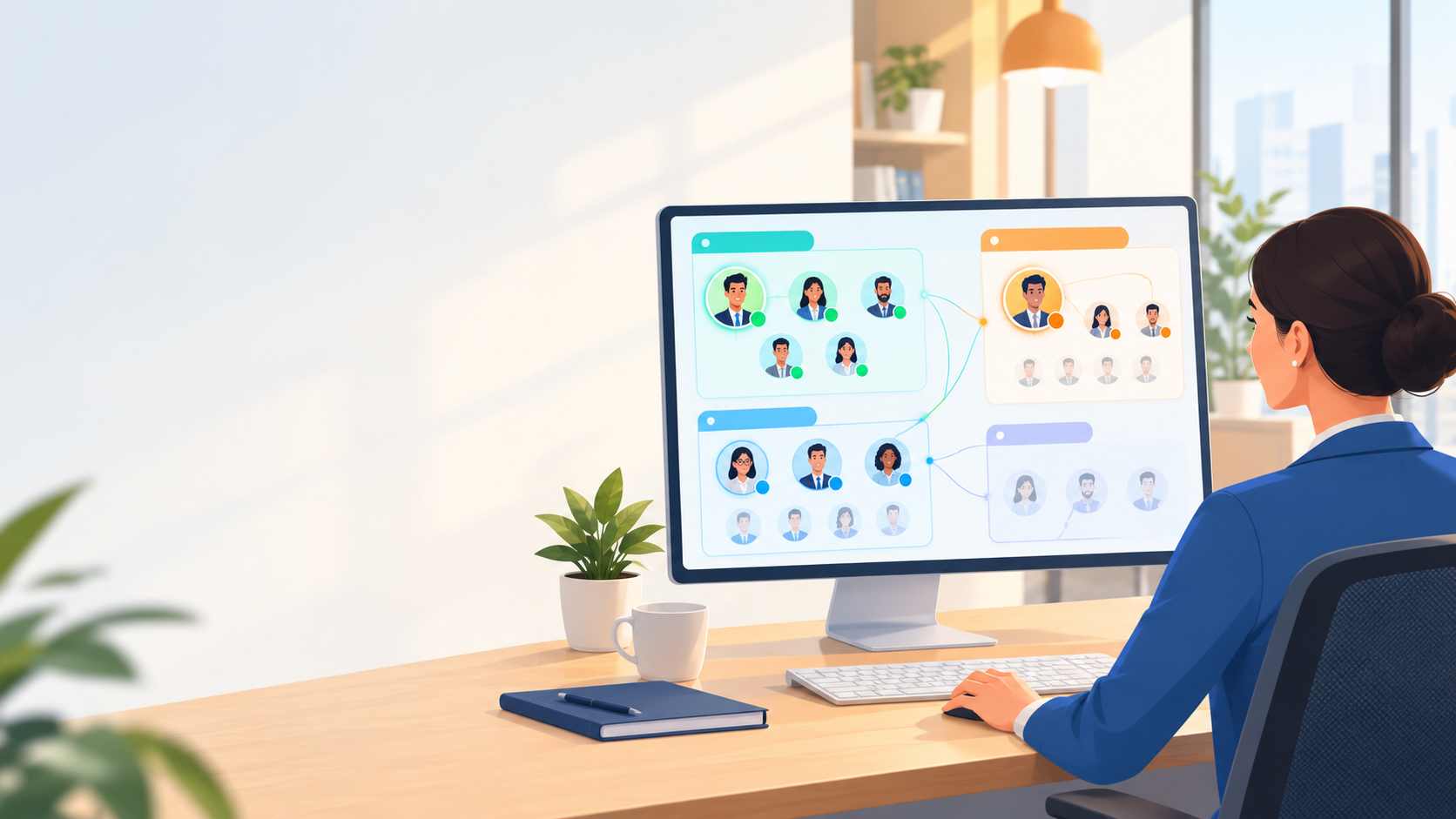
Picture a recruiter on a Monday morning. Three roles are open, resumes sit in an inbox and two spreadsheets, a hiring manager is asking about a candidate who applied last week, and nobody remembers who already interviewed whom. The recruiter isn’t lacking skill. The process has simply outgrown the tools. This is the gap a recruitment platform is designed to close.
A recruitment platform is software that brings the main parts of hiring into one environment: job creation, sourcing, application handling, screening, interviews, communication, and selection. Vendors also call these products recruitment software, hiring software, talent acquisition software, or a recruitment management system. The labels vary, but the purpose is the same: to give recruiters and hiring managers one reliable view of every candidate and every open role.
A typical flow looks like this:
These terms are often used interchangeably, which creates confusion when comparing tools.
The boundaries are not fixed. Always check what a specific product actually includes rather than relying on its category name.
Feature lists are easy to find. What matters is the problem each capability addresses.
Centralized candidate records. When resumes live in email and personal folders, duplicates, lost applications, and inconsistent notes are almost guaranteed. A single candidate management system gives everyone the same current information.
Defined workflows. Stages such as applied, screened, interviewed, and offered make progress visible. A hiring manager can see where a role stands without asking for a status update.
Interview management. Coordinating calendars across several interviewers consumes surprising amounts of recruiter time. Scheduling tools and shared calendars cut that back-and-forth.
Talent pools and candidate relationship management. Strong candidates who weren’t selected today may be right for a role next quarter. A searchable talent pipeline means that effort isn’t wasted.
Collaboration tools. Structured feedback forms keep interviewer input comparable and prevent decisions from resting on hallway opinions.
Integrations and permissions. Links to calendars, email, and HR systems reduce re-entering data, while user permissions ensure people only see the information their role requires.
This is an illustrative scenario, not a real case study.
Imagine a growing services company that needs a sales executive, two customer support agents, and an accountant within the same quarter. Without a shared system, each hiring manager keeps their own shortlist, candidates receive inconsistent updates, and interview slots collide.
With a centralized platform, the recruiter publishes all four roles, sees applicants in one view, and moves them through agreed stages. Hiring managers leave structured feedback, and candidates receive status updates at predictable points. The platform doesn’t choose the right people, but it removes much of the administrative friction around that decision.
Candidates form opinions quickly. Silence after an application, confusing next steps, or last-minute scheduling changes tend to leave a lasting impression, even on people who are never hired. Platforms can help by supporting timely acknowledgments, transparent stages, convenient interview booking, and consistent follow-up. Personalization matters too: a message that references the actual role feels very different from a generic template. The tool only enables this, though. Someone still has to decide what to say and when.
Recruitment automation works best on repeatable tasks: sending acknowledgments, routing applications, reminding interviewers, and flagging stalled candidates. That frees recruiters for work software cannot do well, such as assessing motivation, probing for context in an interview, and weighing a candidate’s potential against team needs.
Be cautious with any claim that software guarantees faster or better hiring. Outcomes depend on how the system is configured, how well the process is defined, how clean the data is, and whether recruiters and managers actually use it.
Data only helps if it is accurate, so consistent stage updates matter. Useful measures include:
For example, if many candidates stall between screening and interview, the cause might be scheduling delays rather than candidate quality. The data points you toward the question; people still need to investigate the answer.
Vendors increasingly offer AI-assisted sourcing, candidate matching, personalized communication, mobile recruitment, and integrated HR ecosystems that connect hiring to wider workforce management software. These can be useful, but treat them as decision support. Matching suggestions can reflect biases in historical data, so organizations should review how recommendations are generated and keep humans accountable for decisions.
Employers in the region often hire across many nationalities and manage high application volumes, so organized records and clear communication matter. Compliance is also relevant. The UAE has a federal personal data protection law (Federal Decree-Law No. 45 of 2021), and Saudi Arabia has its own Personal Data Protection Law, so candidate data handling deserves attention. Workforce nationalization programs, such as Emiratisation in the UAE and Saudization in Saudi Arabia, can also influence hiring plans and reporting. Requirements change, so confirm current rules with official sources or legal advisers before configuring any system.
Providers such as Ensaan Technologies operate in this space, offering HR technology and workforce management solutions to organizations across the UAE and GCC. As with any vendor, organizations should ask directly about specific capabilities, implementation approach, and references that meet their needs.
No single product suits every organization, so define your requirements first. Then evaluate:
Run a pilot with real recruiters on a real vacancy if possible. It reveals more than any demo.
Hiring tends to go wrong in small, unglamorous places: a missed message, a lost resume, an interview nobody scheduled. A recruitment platform won’t fix a weak process, but in the right hands it makes a good process visible, consistent, and easier to improve. The organizations that benefit most treat technology as support for recruiters, build processes around the candidate’s experience, and let data guide decisions without replacing human judgment.