Physical Address
304 North Cardinal St.
Dorchester Center, MA 02124
Physical Address
304 North Cardinal St.
Dorchester Center, MA 02124

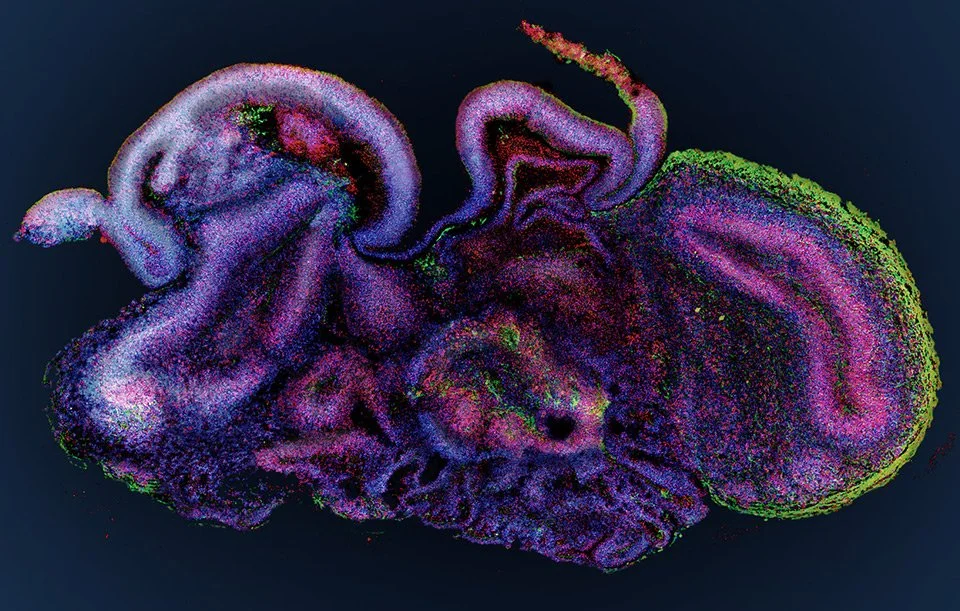
Organoids are transforming biomedical research by providing three-dimensional models that can reproduce important structural and functional characteristics of human organs. Unlike conventional two-dimensional cell cultures, organoids can demonstrate cellular organization, differentiation, and interactions that more closely resemble conditions inside living tissues. This capability is creating new possibilities across disease research, drug development, toxicology, personalized medicine, and regenerative science.
Research activity surrounding organoid technologies continues to expand as scientists seek more representative human biological models. Brain, intestinal, liver, kidney, lung, pancreatic, cardiac, retinal, and tumor organoids are being investigated for different applications. Improvements in stem cell biology, tissue engineering, imaging, automation, and computational analysis are further strengthening the practical value of these systems.
The organoids market is therefore developing around a broad ecosystem that includes specialized culture systems, consumables, instruments, software, analytical platforms, and research services. Continued innovation is expected to increase the accessibility and consistency of organoid-based experimentation.
One of the most important areas of organoid research is disease modeling. Researchers can use organoids to recreate characteristics associated with cancers, neurological disorders, infectious diseases, genetic conditions, and metabolic abnormalities. Patient-derived models can also help investigators examine disease-specific cellular behavior while maintaining biological features that may be difficult to reproduce using standard cell lines.
Brain organoids, for example, are being explored to understand neurological development and disorders affecting the central nervous system. Intestinal organoids can support investigations into gastrointestinal diseases and interactions between intestinal tissues and microorganisms. Similarly, liver and kidney models can help researchers investigate toxicity, tissue damage, metabolism, and disease progression.
This broad application base is supporting demand for more sophisticated organoid platforms. Research laboratories increasingly require reproducible systems that can be generated at scale while maintaining relevant biological characteristics.
Drug discovery is another major area influencing organoid research. Pharmaceutical and biotechnology researchers need models that can provide meaningful information about how potential therapies interact with human tissues. Organoids can complement conventional laboratory models by providing more complex cellular environments for evaluating drug activity and toxicity.
Researchers can expose organoids to candidate compounds and observe changes in morphology, viability, molecular activity, and functional responses. This can help identify promising candidates at earlier stages and provide additional information before expensive clinical development begins.
The ability to generate tumor organoids from patient samples is particularly important for oncology research. These models can be used to evaluate how cancer cells respond to different treatments and investigate resistance mechanisms. As analytical technologies improve, organoid-based screening may become increasingly integrated with automated experimentation and high-throughput workflows.
Personalized medicine is creating another important opportunity for organoid technologies. Patient-derived organoids can potentially reflect characteristics of an individual’s disease, allowing researchers to study treatment responses in a more personalized biological setting.
In cancer research, tumor organoids can preserve several characteristics of the original tumor, enabling investigations into therapeutic sensitivity and resistance. Similar approaches are being explored for other diseases where individual biological differences can influence treatment outcomes.
The combination of organoids with genomic sequencing and molecular profiling can generate detailed datasets for researchers. These datasets may help connect genetic characteristics with treatment responses and support the development of more targeted therapeutic strategies.
As precision medicine becomes more data-driven, the integration of organoid experiments with advanced analytics could become an important research pathway.
Technological development is improving how organoids are created, maintained, measured, and analyzed. Advanced imaging systems can capture detailed changes in organoid structure, while automated liquid-handling systems can reduce manual laboratory work. Microfluidic platforms can provide controlled environments for studying tissue responses under more realistic conditions.
Artificial intelligence and machine learning are also gaining attention. Computational systems can analyze large collections of images and biological measurements to identify patterns that may not be immediately visible through manual observation. Automated image analysis can support the classification of organoid characteristics, treatment responses, and developmental stages.
The integration of organoids with microfluidics, biosensors, advanced biomaterials, and computational tools could help create more standardized experimental platforms. These developments are important because consistency remains a major consideration when organoids are used across different laboratories.
Despite their potential, organoid systems face several challenges. Reproducibility remains an important concern because differences in cell sources, culture conditions, growth factors, materials, and laboratory procedures can influence outcomes. Some organoids may also fail to fully reproduce the maturity, vascularization, immune environment, or structural complexity of adult human organs.
Standardization is therefore a critical research priority. Establishing consistent protocols, quality benchmarks, measurement techniques, and reporting practices could improve confidence in experimental results.
Cost and technical expertise can also limit adoption. Advanced culture materials, specialized equipment, imaging systems, and skilled personnel may require substantial investment. Smaller research organizations may therefore face difficulties implementing complex organoid workflows.
Researchers are also examining ethical considerations surrounding certain organoid models, particularly as their biological complexity increases. Responsible development will require scientific innovation alongside appropriate ethical and regulatory frameworks.
Future research is likely to focus on creating organoids that more closely replicate complete tissue environments. Incorporating immune cells, blood-vessel-like structures, supporting stromal cells, and microbial communities could improve biological relevance.
Multi-organ systems represent another promising direction. Linking different organoid models through microfluidic technologies may allow researchers to study interactions between tissues and investigate how drugs or diseases affect multiple organs.
Biobanking is also expected to remain significant. Collections of well-characterized patient-derived organoids could provide valuable resources for disease studies, drug screening, biomarker discovery, and personalized treatment research.
The combination of organoids with artificial intelligence may further expand research capabilities. Automated experimentation, predictive modeling, image analysis, and data integration could make complex biological studies faster and more scalable.
Organoid research is becoming an increasingly important component of modern biomedical science. Its applications extend from fundamental studies of human development to disease modeling, drug discovery, toxicology, precision medicine, and regenerative research.
The future growth of the field will depend on improving reproducibility, scalability, biological maturity, affordability, and standardization. At the same time, advances in stem cell science, bioengineering, automation, imaging, and artificial intelligence are opening new possibilities for increasingly sophisticated experimental models.
As these technologies mature, organoids could play a larger role in connecting laboratory research with human biology. Their ability to provide complex, adaptable, and human-relevant models positions them as an important platform for the next generation of biomedical investigation.




