Physical Address
304 North Cardinal St.
Dorchester Center, MA 02124
Physical Address
304 North Cardinal St.
Dorchester Center, MA 02124

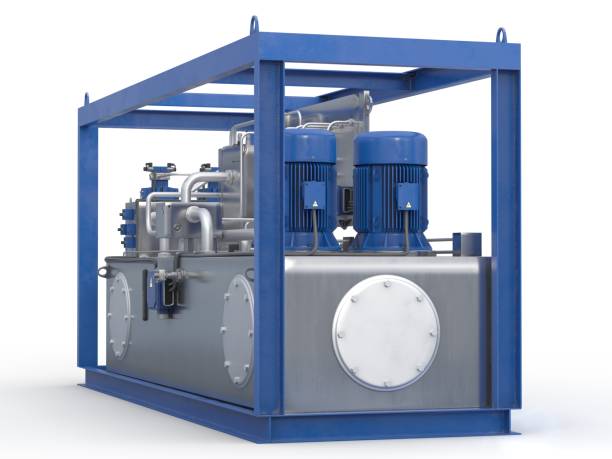
Hydraulic systems don’t just fail out of nowhere. Usually the filter is the first thing that starts acting up. It plugs, pressure drops, the machine feels off, and then you’re looking at a clogged element wondering how it got that dirty so quick. I’ve watched this enough times. The filter isn’t really the problem. It’s just the part that finally tells you the oil is a mess.
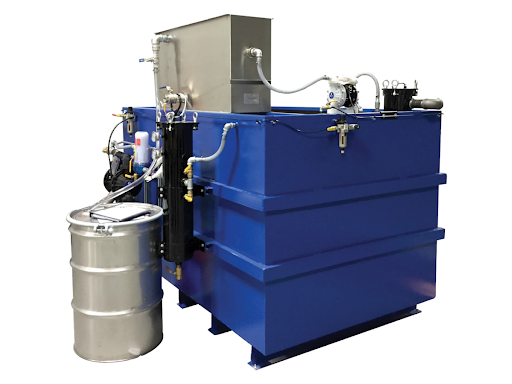
Solid stuff is the usual start. Dust sneaks through cheap breathers or seals that are worn. Metal flakes come off pumps and valves as they wear. Once those bits are in the oil they keep grinding and making more particles. Filter catches what it can until it can’t. Then you’ve got a packed element and oil that only looks okay because the dirt is stuck in the media. Goes faster in dusty shops or when someone tops off from a drum that’s been sitting open somewhere.
Water doesn’t always show itself right away. Condensation, bad seal, cooler leak. Once it’s mixed in it helps the oil oxidize and creates sludge and varnish. That sticky junk loads the filter quicker than dry particles alone. Free water also cuts the lubricity so parts wear faster and throw off even more metal. You might not catch it until the pressure gauge starts climbing earlier than it should.
Run the system hot and the oil starts going bad. Every ten degrees or so over the recommended temp roughly doubles how fast it oxidizes. Acids, sludge, varnish show up. They coat the filter and restrict flow. Hot spots from restricted lines or relief valves working too hard make it worse even if the tank temp looks fine. Old fluid that’s past its time just makes everything worse. Filter ends up full of chemical gunk that shouldn’t be there.
A lot of clogging comes from simple shortcuts. Filling from dirty containers. Leaving ports open while you work. Rags that leave fibers behind. Skipping changes because the machine still runs okay. Putting the wrong micron size in. All of it lets more dirt in or lets the existing dirt keep circulating. I’ve seen return filters stuck in bypass for months because nobody looked at the indicator. Contaminants just kept going around until something expensive broke.
Not every filter works for every system. Too coarse and the fine stuff keeps circulating and wearing parts. Too fine without enough surface and it plugs almost immediately. Missing a return line or offline filter means wear particles stay in the tank and get pumped right back out. Bypass valves that open too early send dirty oil downstream the second the element starts loading. Wrong choice or the wrong rating turns the filter into a temporary obstacle instead of real protection.
Shops that run metalworking fluids see the same pattern with cutting oil filtration systems. Chips, fines, tramp oil, water load the media just like hydraulic contaminants. The ideas overlap more than most people think. Clean fluid stretches tool life the same way clean hydraulic oil stretches pump and valve life. If your place runs both, the habits that keep cutting oil clean—changing media on time, picking the right micron, keeping tanks sealed—also help stop hydraulic filters from packing so fast.
Start with clean new oil and filter it before it goes in the tank. Use breathers that actually stop dust and moisture. Check seals and rod wipers so outside dirt stays out. Put the right filters in the right places—suction for big debris, pressure for the sensitive parts, return line to catch wear particles, offline units if the system sees a lot of dirt. Change elements when the pressure says so, not when the calendar does. Sample the oil once in a while. You’ll see rising particles or water before the filter is completely packed.
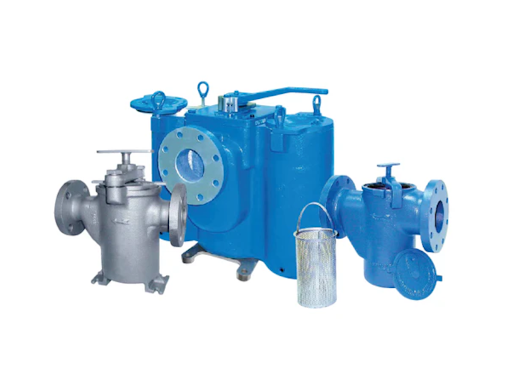
Most housings have a differential pressure gauge or a little pop-up indicator. Ignore it and the element goes into bypass. Dirty oil then flows straight to the parts that need clean fluid most. Check those indicators. Keep a simple note of when elements get changed and what the oil analysis shows. Over time you start seeing patterns—certain machines load filters faster, certain times of year bring more moisture. That lets you adjust the intervals or maybe put a better breather on or add offline filtration where it’s needed.
Hydraulic filters clog because dirt, metal, water, and broken-down oil keep showing up faster than the media can handle. Some of it comes from the environment, some from normal wear, and a good bit from maintenance shortcuts. Prevention isn’t fancy. Keep contaminants out, filter what’s already inside, use the right elements, and pay attention to the pressure indicators. The same approach that works for cutting oil filtration systems applies here—clean fluid lasts longer and protects the expensive parts. Do the basic things consistently and you’ll spend less time chasing clogged filters and more time keeping the equipment running the way it should.
What usually causes hydraulic filters to clog so fast?
Dirt and metal from wear and outside sources, water that helps make sludge, and oxidized oil that turns sticky. Poor maintenance and the wrong filter rating make it happen quicker.
How often should hydraulic filters be changed?
Go by the differential pressure indicator more than a set schedule. Change when the gauge or pop-up shows the element is loaded, or sooner if oil analysis shows contamination climbing.
Can better hydraulic filters cut downtime?
Yes. Right micron rating, decent efficiency, and filters in the pressure, return, and offline spots keep more dirt away from the components that actually fail.
Do cutting oil filtration systems work on the same ideas?
Pretty much. Both deal with particles, water, and fluid that breaks down. Good habits like sealed tanks, regular media changes, and proper micron selection carry over and help keep hydraulic systems cleaner too.




