Physical Address
304 North Cardinal St.
Dorchester Center, MA 02124
Physical Address
304 North Cardinal St.
Dorchester Center, MA 02124

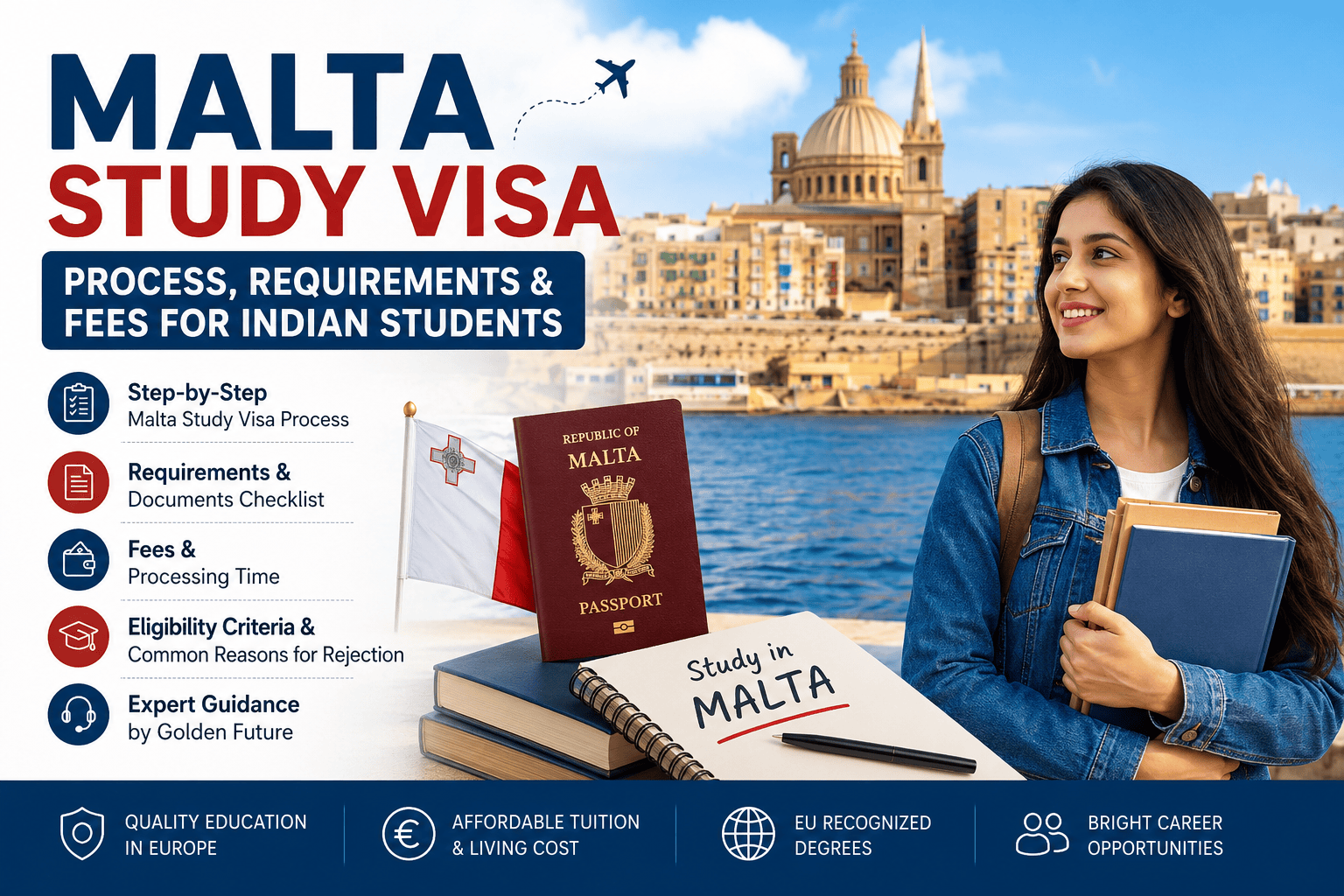
{“success”:false,”data”:”The uploaded file exceeds the upload_max_filesize directive in php.ini.”}Plenty of Indian students dream of studying abroad. The exposure, the new skills, the better shot at a good career, it all adds up. Malta doesn’t always make the shortlist, but it should. English-taught courses, a multicultural student crowd, and qualifications that are recognised internationally make it a solid pick in Europe. And whichever way you lean, it helps to understand the Malta Study Visa process before you apply. You’ll sort out paperwork and budgeting sooner, and you’ll make better calls on your course.
Malta feels welcoming, and you get a proper dose of European culture along with your degree. English is used in lectures and on the street alike, so Indian students usually settle in faster than they expect.
Then there’s money. Tuition fees in Malta can work out cheaper than in some of the better-known study destinations, though it depends on the institution and the programme. Part-time work may also be possible for eligible international students. Whether you can actually do it comes down to your visa conditions and local employment rules.
So if an international qualification and some real professional growth are what you’re after, Malta deserves a look.
Simply put, a Malta Study Visa gives eligible international students permission to enter Malta to study, under the right visa category. If you’re an Indian student heading for a long course, you’ll typically fall under the long-stay student visa rules.
Which category applies, what documents you’ll need, and how you apply all depend on how long your course runs and what kind it is. That’s why you should check the current requirements before submitting anything. Want more detail? Golden Future has put together a guide to the Malta study visa process for Indian students that’s worth reading.
Having a plan makes this far less stressful. Here’s the usual order of things.
Begin with research. Look for institutions that fit your academic background and where you want your career to go. Before you commit, compare the course content, tuition fees, admission criteria, and how long the programme runs.
After you’ve chosen, work through the institution’s admission process and send in your academic documents. Once they accept you, you’ll get an official offer or admission letter. You may well need it when you apply for the visa.
Pull together your passport, academic records, financial documents, and whatever else supports your case. Then check everything twice. The details have to be correct, and they have to match from one document to the next.
Complete the application form, attach your supporting documents, and pay the visa fee. Stick to the official submission instructions. If you’re called for an appointment, make sure you attend.
Now the authorities go through your application and evidence. How long that takes varies, so don’t leave it to the last minute. Applying well ahead of your start date gives you breathing room if they ask for anything extra.
A strong application starts with meeting the Malta study visa requirements. What you’ll need depends on your visa category and your own situation, but expect to provide some or all of the following:
Requirements change, so confirm the exact checklist for your course and visa category before you apply.
The visa fee isn’t the whole bill. A Malta Study Visa application can also bring costs for insurance, medical requirements (where they apply), document translation, and other administrative services, so budget for those too.
Processing time isn’t fixed either. It depends on your application category, how complete your documents are, and how long the verification takes. Rather than trusting a generic estimate, look up the latest official guidance and plan from there.
One simple habit helps: get your documents ready early and make sure every detail you submit is accurate. It cuts down on delays you could have avoided.
Small slips can sink an application. Missing information and documents that contradict each other are the big ones. Others that come up often: incomplete paperwork, thin financial evidence, a vague Statement of Purpose, and little connection between what you studied before and the course you picked.
So before you hit submit, read through every document. Your financial records must be genuine, your academic details correct, and your study plans spelled out clearly. If the authorities ask for more information, reply quickly.
Studying abroad has a lot of moving parts, from picking a course to putting the visa application together. Golden Future helps students with profile evaluation, course and university shortlisting, application guidance, document preparation, SOP assistance, and visa-related support.
Good guidance makes the process easier to understand, keeps your paperwork in order, and helps you avoid the mistakes other applicants make. Still, the final visa decision belongs to the relevant authorities.
Malta lets Indian students experience European education while working toward their academic and career goals. A good application comes down to a few things: the right institution, a clear grasp of the Malta Study Visa requirements, accurate documents, and an early start.
With Golden Future supporting you, the whole thing can feel a lot less daunting. Research your options, check the latest official visa rules, and start getting ready for Malta.{“success”:false,”data”:”The uploaded file exceeds the upload_max_filesize directive in php.ini.”}




