Physical Address
304 North Cardinal St.
Dorchester Center, MA 02124
Physical Address
304 North Cardinal St.
Dorchester Center, MA 02124

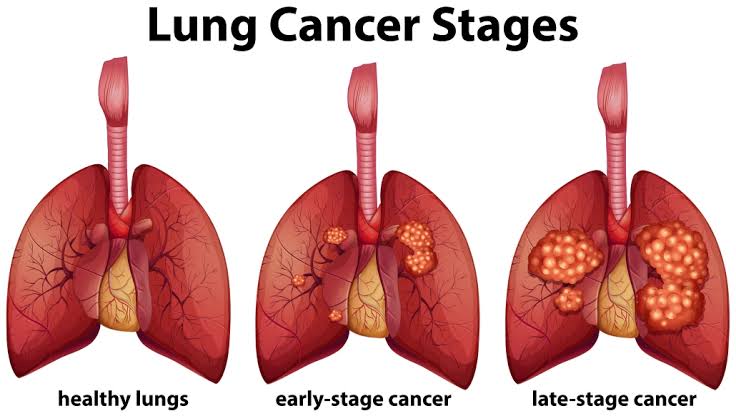
Lung cancer is one of the most serious respiratory diseases worldwide, but early detection can significantly improve treatment outcomes. In its early stages, lung cancer may not cause noticeable symptoms, which is why screening is important for people who have a higher risk of developing the disease.
Lung cancer screening helps doctors identify abnormal changes in the lungs before symptoms become severe. Understanding who should get tested, what screening involves, and when to consult a specialist can help individuals take timely action for their health.
Lung cancer screening is a medical evaluation designed to detect lung cancer at an early stage, especially in people who have a higher risk due to smoking history, age, or other risk factors.
The most commonly recommended screening method is a low-dose computed tomography (LDCT) scan. This test creates detailed images of the lungs using a small amount of radiation and can detect small lung abnormalities that may not appear through regular chest X-rays.
Early screening can help:
Not everyone needs routine lung cancer screening. It is mainly recommended for individuals who have a higher risk of developing lung cancer.
People who may benefit from screening include:
Smoking is the leading risk factor for lung cancer. People who have smoked cigarettes, cigars, or other tobacco products for many years have a higher chance of developing lung disease.
The risk increases with:
Individuals with a significant smoking history should discuss screening options with a qualified respiratory specialist.
Age is another important factor in lung cancer risk. Many screening guidelines focus on adults within specific age groups who also have a history of heavy smoking.
A doctor can evaluate personal risk factors and determine whether lung cancer screening is appropriate.
Certain workplace and environmental exposures may increase lung cancer risk. These include long-term exposure to:
Individuals working in high-risk environments should discuss preventive respiratory care with a healthcare professional.
Although screening focuses on people without symptoms, certain warning signs should never be ignored.
Possible lung cancer symptoms include:
These symptoms can also occur due to other respiratory conditions, but medical evaluation is important for proper diagnosis.
Finding lung cancer early provides more opportunities for effective treatment. Early-stage lung cancers are often easier to manage compared with cancers detected after they have spread.
Benefits of early detection include:
Regular health monitoring is especially important for individuals with risk factors.
A pulmonologist specializes in diagnosing and treating conditions related to the lungs and respiratory system. These specialists help evaluate breathing problems, lung diseases, and the need for further testing.
A pulmonologist can assist with:
For individuals searching for the best pulmonologist in Lahore, consulting an experienced respiratory specialist can provide proper guidance about lung screening and preventive care.
While screening helps detect problems early, prevention remains an important part of lung health.
Steps that support healthier lungs include:
People who have quit smoking can still benefit from discussing their long-term lung health with a doctor.
You should consider speaking with a respiratory specialist if you:
A medical professional can review your health history and recommend suitable screening options.
For individuals needing expert respiratory evaluation, Dr. Yasir Nasir Pulmonologist in Lahore provides consultation for lung and chest-related health concerns.
Dr. Yasir Nasir Pulmonologist in Lahore
Phone: 0333 4976126
Address: 7, Block M Phase 2 Johar Town, Lahore, Punjab 54782
Lung cancer screening is an important tool for people at higher risk, particularly those with a history of smoking or harmful environmental exposure. Detecting lung cancer early can make a significant difference in treatment possibilities and overall outcomes.
If you have risk factors or ongoing respiratory concerns, discussing your situation with a qualified pulmonologist can help you understand whether lung cancer screening is right for you. Taking preventive steps today can support better lung health in the future.