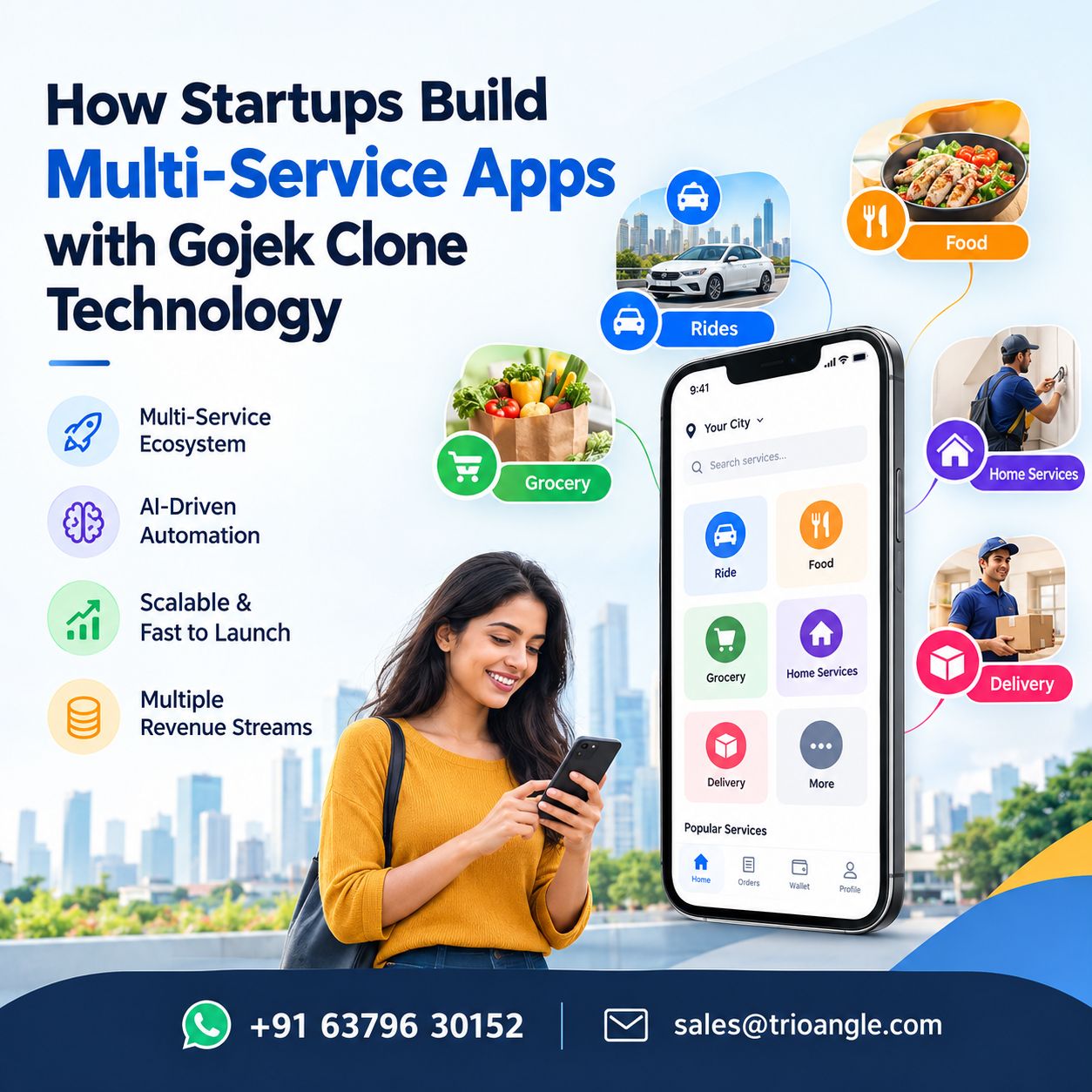

Most people do not pay much attention to the apps on their phones until they run out of storage. There are apps for ride-sharing, food delivery, courier, and handyman services, among others. Each needs its own account to function and a password to keep track of.
So, for founders looking to capitalize on this opportunity, launching a super app could be the way. But as demand grows, you need a foundation that allows for faster launch and supports workflows as your business expands. A white-label solution like a Gojek clone script can help with that head start on building while leaving room to bring in new technology as it evolves.
Why Customers Like Having Multiple Services in One App
Customers may want to use a multi-service app for multiple reasons.
Say you need a ride in the morning, want to order lunch and snacks, and have to send a package across the city. One app handles it all. No need to switch between three different apps, deal with reinstalling stuff you deleted, or keep typing in passwords.
- Users can log in with their existing credentials and manage their profile in a single interface.
- Payments can also be easier. If the platform is designed to do so, customers can access their saved payment information in different services.
- Booking updates and notifications follow the same process across services, so users don’t have to learn it again each time.
For a startup, launching a multi-service app allows them to hold onto customers who came for one service and naturally expand into others. This way, you can get more value from your existing users instead of continually spending money to attract new ones.
However, customers will not use all of the services just because they are in the same app. Services must still be reliable, reasonably priced, and useful on their own.
Why Start with a Gojek Clone Script for Your Multi-Service App?
If you are a startup, you would know that you are working against the clock with limited resources and don’t have much time to debate every possible path. And that’s precisely why considering a Gojek clone script could be the better move.
There are also specific needs for each service.
- A ride-hailing service requires driver availability and trip tracking.
- Food delivery includes restaurant, menu, order, and status.
- An on-demand home service needs a scheduling and a provider profile system.
With the pre-built architecture, you’ll get a ready-to-deploy module, like a ride-hailing and handyman clone app, that you can put into production straight away.
Even with a multi-service Gojek clone platform, you’ll want to make sure you know which features are already there, which ones need some customization, and if the software can actually scale as you grow.
Making Your Multi-Service App AI-Ready
AI may assist various services within your multi-service app, from organizing project estimates and scheduling through a handyman script to addressing ride-booking inquiries. Here are some of the features to consider when developing your app:
- AI Chat Assistant: Can answer frequently asked questions by customers, businesses, and service providers, with the ability to escalate to a live support agent in complex situations.
- Smart Alternative Suggestion: Can suggest similar products or services to users that they may be interested in if the desired one is unavailable.
- Review Summaries: Can collect user reviews and combine them into short, bite-sized highlights to make it easier to evaluate and make decisions.
Make sure the Gojek clone script you choose offers these AI features or has the scope to be customized.
Expand Your App at Your Own Pace with a Gojek Clone
A Gojek clone script lets you bring your platform online without building the backend from scratch, but that doesn’t mean you need to add every service in your app.
Just start with services you can realistically manage:
- Think about the effort required: Home and handyman services are generally easier to run than food delivery or ride-hailing, which need more coordination. Integrating an Uber for handyman model into your app gives you a way to start with this service before branching out into other services.
- Lean on your network: Go with services where you’ve already got connections to local providers, merchants, or drivers.
- Take it slow: Make sure your first two services are solid before you add more as business grows.
This gradual process also provides the business with an opportunity to learn.
- What are the repeat booking services?
- What are the reasons customers drop off a sale?
- Is there sufficient work for providers to keep them active?
The answers can help in the next step of development. And once your Gojek clone starts to expand, you can bring in more services, and you’ll have more chances to explore different ways to make money.
Common revenue options of a Gojek clone include:
- Commission fees: The platform receives a set percentage of the completed rides, deliveries, or service bookings.
- Merchant listing fees: Depending on how the platform operates, you can charge restaurants and local businesses to be listed or to avail of extra promotional features.
- Featured placements and advertising: Businesses can pay for more exposure within relevant sections of the app (as long as the advertising doesn’t detract from the customer experience).
- Subscription plans: You can let your users pay a recurring fee to enjoy reduced delivery charges and other benefits on frequent orders.
For each category to make sense in your Gojek clone app, you’ll need enough customers and providers, and you can’t ignore the costs of operating each one.
Generally speaking, it’s smarter to establish consistent income first before adding to the offerings.
Conclusion: Build Your Gojek Clone Around Customer Needs
Launching a multi-service app makes it way easier for customers to order services all in one place. However, whether you are offering a food delivery app or a handyman app like Uber, packing as many services as possible onto a single screen is not the goal here. It is about selecting the right services for a specific market and ensuring their reliability.
A Gojek clone script gives startups a quick and cost-effective path to market entry, with all the essential building blocks already set up for them.
With the core development work already done, you can spend your energy on building services that your users genuinely need and are ready to pay for.