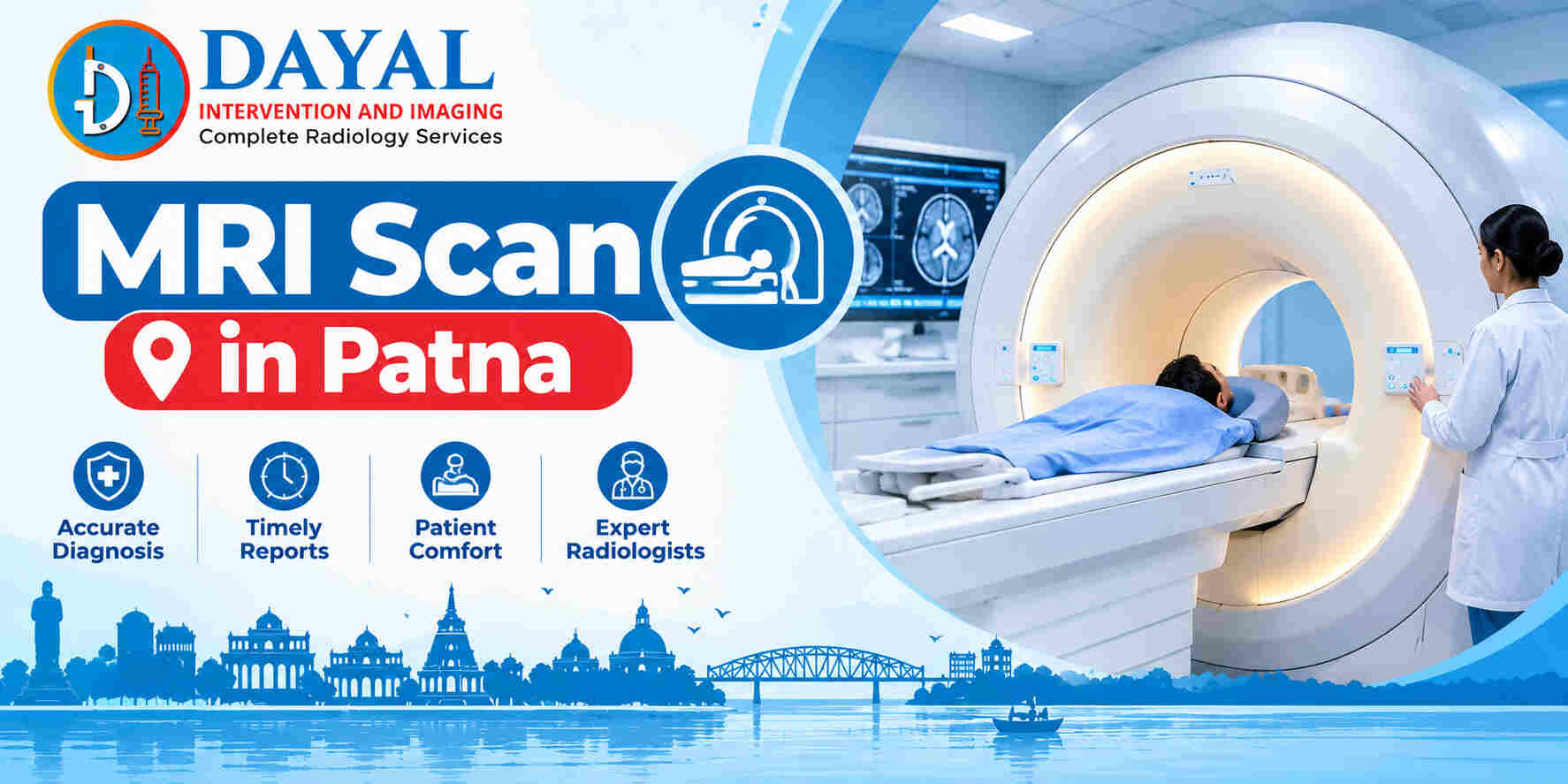

Medical imaging helps doctors understand what may be happening inside the body without surgery. Among the available imaging methods, Magnetic Resonance Imaging (MRI) is widely used to produce detailed pictures of organs, soft tissues, joints, and other internal structures. For people who have been advised to undergo an MRI, understanding the procedure can make the experience easier and less stressful.
Choosing an appropriate diagnostic facility and following the instructions provided by healthcare professionals are important steps in preparing for an examination. This guide explains what patients should know before, during, and after an MRI scan.
Understanding How an MRI Scan Works
MRI stands for Magnetic Resonance Imaging. It uses a strong magnetic field and radio waves to create detailed images of structures inside the body. Unlike X-rays and CT scans, MRI does not use ionizing radiation.
Doctors may recommend an MRI when they need more information about a particular medical concern. The scan can help assess the brain, spine, joints, muscles, abdominal organs, and other areas, depending on the clinical situation.
An MRI does not automatically provide a diagnosis on its own. The images must be interpreted by a qualified radiologist and considered alongside the patient’s symptoms, examination findings, and other medical information.
Why Might a Doctor Recommend an MRI?
An MRI may be recommended for several reasons, depending on the patient’s condition and the area being examined.
Brain and Nervous System Evaluation
MRI can provide detailed images of the brain and surrounding structures. A doctor may recommend it when investigating certain neurological symptoms or evaluating a suspected abnormality.
Spine and Back Problems
MRI is frequently used to examine the spinal cord, discs, nerves, and surrounding soft tissues. It may help doctors assess selected causes of persistent back pain, neck pain, or nerve-related symptoms.
Joint and Soft Tissue Assessment
For certain joint injuries or ongoing discomfort, MRI can help visualize ligaments, tendons, cartilage, and other soft tissues. The need for a scan depends on the symptoms and the doctor’s assessment.
Examination of Internal Organs
Depending on the clinical question, MRI can also be used to examine organs and tissues in areas such as the abdomen and pelvis. The type of scan and preparation requirements vary according to the body part being studied.
How to Prepare for an MRI Scan
Preparation depends on the type of examination, the use of contrast material, and the patient’s medical history. Always follow the instructions provided by the diagnostic facility and the referring doctor.
Share Your Medical History
Before the examination, inform the medical team about any implants, surgical clips, pacemakers, or other medical devices. Some devices are MRI-compatible under specific conditions, while others may require additional precautions.
Tell the staff if you have kidney problems, a history of reactions to contrast material, or any other relevant medical concerns.
Remove Metal Objects
Metal objects can interfere with MRI imaging and may pose safety risks. You may be asked to remove jewellery, watches, hair accessories, and other metal items before entering the scanning room.
Follow the facility’s guidance regarding clothing and personal belongings.
Ask About Food and Drink
Some MRI examinations require specific preparation, while others do not. Do not assume that fasting is necessary for every scan. Confirm the instructions for your particular appointment.
Inform the Team About Claustrophobia
The MRI scanner may feel enclosed, and some people find remaining inside it uncomfortable. If you experience anxiety in enclosed spaces, tell the staff before the scan. They can explain the available options and help you prepare.
What Happens During the MRI Procedure?
When you arrive, the staff may ask you to complete a safety questionnaire and confirm the details of your examination. They will explain the procedure and help you get ready.
You will usually lie on a movable examination table that slides into the scanner. The position depends on the part of the body being examined. It is important to remain as still as possible because movement can affect image quality.
The machine produces repeated knocking or tapping sounds while taking images. Ear protection may be provided to reduce the noise.
The scan duration varies according to the body part and imaging protocol. Some examinations take around 15 to 30 minutes, while others may take longer. The staff can provide a more specific estimate for your scan.
In certain cases, a contrast agent may be used to make particular structures easier to evaluate. Contrast is not necessary for every MRI. If it is planned, the healthcare team should explain the relevant considerations and screening requirements.
Finding an MRI Scan in Patna
When looking for an MRI Scan in Patna, patients should consider more than convenience alone. It is useful to confirm that the facility can perform the specific examination prescribed by the doctor and that clear instructions are available for preparation and safety screening.
Before booking, consider asking:
- Is the required type of MRI available?
- What preparation is necessary before the appointment?
- Should previous scans or medical reports be brought along?
- Is contrast material expected to be used?
- How and when will the imaging report be provided?
- Whom should you contact if you have questions before the examination?
Confirming these details in advance can help patients arrive prepared and understand the next steps in their diagnostic journey.
Is an MRI Scan Safe?
MRI does not use ionizing radiation, but it still requires careful safety screening because the scanner uses a strong magnetic field. Certain implants, devices, and metallic objects can create risks or affect the examination.
Patients should provide accurate information about their medical history and never enter the scanning room with restricted items. The safety team will determine whether additional checks are necessary.
If contrast material is being considered, the medical team may need information about kidney function, previous contrast reactions, and other relevant factors. The decision should be based on the examination’s purpose and the patient’s individual circumstances.
What Happens After the Scan?
In many cases, patients can return to their usual activities after a routine MRI, unless they have received other instructions or medication that affects their ability to do so.
The images are reviewed and interpreted by a radiologist. A report is then made available according to the facility’s process. The referring doctor explains the findings in the context of the patient’s symptoms and medical history.
It is important not to interpret the images independently or assume that a scan confirms a particular condition before the report has been reviewed. If additional tests or follow-up appointments are recommended, discuss them with the treating doctor.
Common Mistakes to Avoid Before an MRI
A little preparation can help reduce delays and support a smoother examination. Patients should avoid these common mistakes:
- Not mentioning implanted devices or previous surgeries.
- Forgetting to bring relevant medical records or earlier imaging reports.
- Wearing jewellery or carrying metal items into the examination area.
- Ignoring preparation instructions provided for the specific scan.
- Failing to mention anxiety about enclosed spaces.
- Assuming that every MRI requires contrast material or fasting.
- Missing the follow-up appointment to discuss the report with the doctor.
If any instruction is unclear, contact the diagnostic facility before the appointment rather than guessing.
Frequently Asked Questions
1. How long does an MRI scan take?
The duration depends on the body part and the imaging protocol. Some scans take approximately 15 to 30 minutes, while more complex examinations may take longer.
2. Does an MRI scan cause pain?
The imaging process itself is generally painless. However, remaining in one position for a period may cause discomfort, especially if you already have pain or mobility difficulties.
3. Do all MRI scans require contrast?
No. Many MRI examinations are performed without contrast. The decision depends on the clinical question and the type of images required.
4. Can I eat before an MRI scan?
Preparation varies. Some examinations require dietary instructions, while others do not. Follow the specific guidance given for your appointment.
5. Who explains the MRI results?
A radiologist interprets the images and prepares a report. Your referring doctor can explain what the findings mean for your symptoms and whether further evaluation or treatment is needed.
Conclusion
An MRI scan can provide valuable information when a doctor needs detailed images of internal structures. Knowing how the procedure works, preparing according to the instructions, and sharing relevant medical information can help patients approach the examination with greater confidence.
If you have been advised to undergo an MRI, discuss any concerns with your doctor and confirm the preparation requirements with the diagnostic facility. Understanding each step, from safety screening to reviewing the report, helps you make informed decisions about your healthcare.
About Dayal Intervention & Imaging
Dayal Intervention & Imaging provides information about diagnostic and medical imaging services in Patna. Patients can visit the official website to review MRI service details and contact the centre to confirm examination requirements.
Website: https://dayalradiologyir.com/