
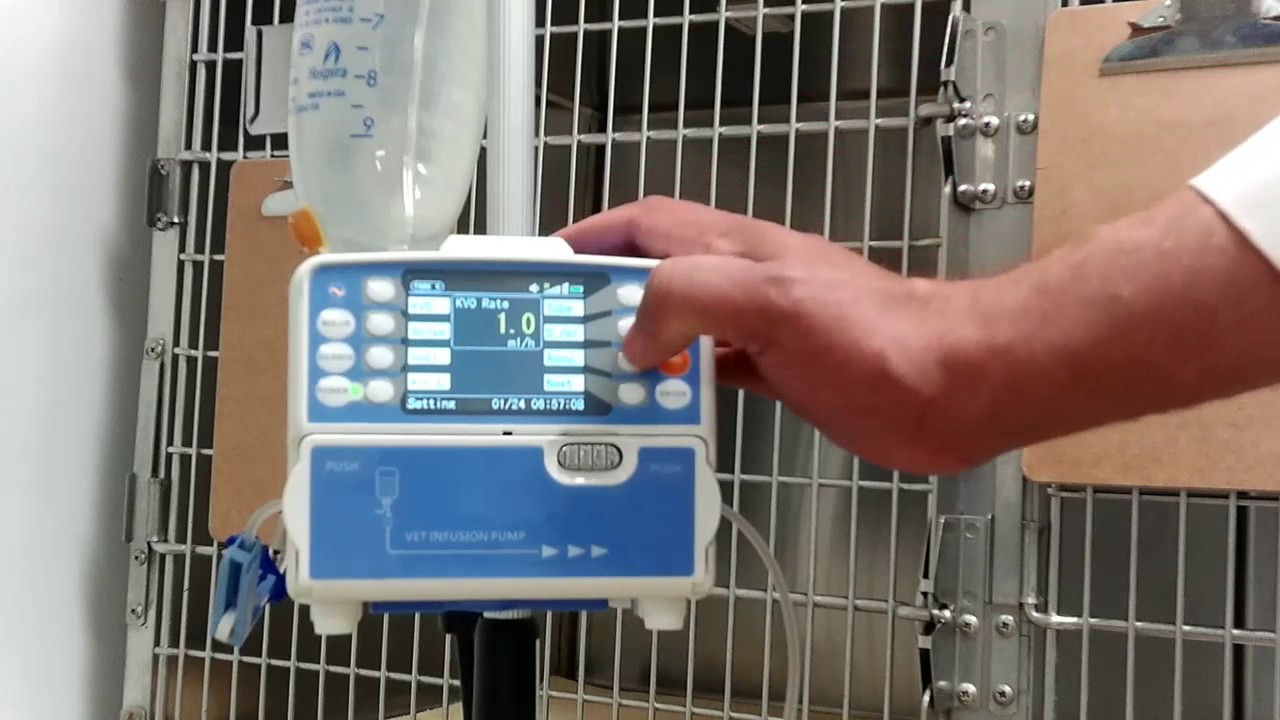

The veterinary infusion pumps market is becoming an important part of modern animal healthcare as veterinary professionals increasingly rely on precise fluid delivery, controlled medication administration, and consistent patient monitoring. Infusion pumps help deliver fluids, nutrients, anesthetics, and prescribed medications at regulated rates, supporting treatment across emergency care, surgery, intensive care, and long-term disease management. As veterinary medicine advances, these devices are gaining attention for their ability to improve treatment accuracy and simplify clinical workflows.
The market landscape reflects changing expectations among veterinary hospitals, specialty clinics, animal research facilities, and other healthcare providers. Pet owners are also showing greater interest in advanced treatment options for companion animals, encouraging clinics to invest in equipment that supports safer and more effective care. At the same time, livestock management and specialized animal treatment facilities create additional opportunities for infusion technology.
Expanding Role of Infusion Technology in Veterinary Care
Veterinary infusion pumps are used to administer fluids and medications to animals that require carefully controlled treatment. Unlike manual administration methods, automated infusion systems can maintain consistent delivery rates and reduce the need for continuous manual adjustment. This capability is particularly valuable when treating animals with dehydration, severe infections, metabolic disorders, or complications following surgery.
The demand for these devices is influenced by the growing range of veterinary procedures performed in clinical settings. Complex surgeries, cancer treatments, emergency interventions, and critical care services often require precise medication delivery. Infusion pumps can help veterinary teams manage these procedures while maintaining better control over treatment protocols.
The veterinary infusion pumps market also benefits from the increasing specialization of animal healthcare. Facilities offering advanced diagnostics, oncology, cardiology, and intensive care are more likely to require equipment that supports accurate dosing and continuous treatment.
Major Segments Shaping the Market Landscape
The market can be understood through several product and application categories, each addressing different clinical requirements.
Product-Based Segmentation
Syringe infusion pumps and volumetric infusion pumps represent important product categories. Syringe pumps are particularly useful when small quantities of medication must be delivered with high precision. They are frequently suited to small animals, neonatal patients, and situations requiring carefully controlled drug administration.
Volumetric pumps are generally designed to deliver larger fluid volumes over a specified period. These systems can support hydration, electrolyte replacement, and other treatments in animals that require substantial fluid administration.
Portable and compact devices are also gaining relevance as veterinary professionals seek equipment that can be used across treatment rooms, surgical areas, and emergency facilities. Product selection depends on patient size, required flow rate, treatment duration, available monitoring systems, and the clinical environment.
Application-Based Segmentation
Applications include emergency medicine, surgical procedures, critical care, fluid therapy, and medication administration. Companion animal hospitals represent an important area of demand because dogs and cats frequently require treatment for injuries, chronic illnesses, and age-related conditions.
Livestock healthcare offers a different set of requirements, including practical equipment design, durability, and suitability for the treatment environment. Research laboratories and veterinary teaching institutions may also use infusion pumps for controlled drug delivery and supervised clinical studies.
Technology and Product Innovation
Technology development is influencing how infusion pumps are designed and used. Manufacturers are focusing on more intuitive interfaces, improved flow-rate control, enhanced alarms, and safety mechanisms that help identify interruptions or delivery irregularities.
Programmable settings allow veterinary professionals to establish treatment parameters based on patient requirements. Alarm systems can alert staff to issues such as occlusion, low battery power, or an empty fluid container, depending on the device’s capabilities. These features can support timely intervention and reduce avoidable treatment disruptions.
Another important development is the emphasis on compact construction and easier operation. Veterinary clinics often manage patients of different sizes, so equipment flexibility is valuable. Devices that allow straightforward adjustment between treatment protocols can help staff work more efficiently, provided the settings are selected and verified according to established clinical procedures.
Connectivity may also become more significant as veterinary facilities adopt digital patient records and integrated monitoring systems. However, compatibility, data security, equipment costs, and staff training remain important considerations when introducing connected medical devices.
Competitive Environment and Purchasing Decisions
Competition in the veterinary infusion pumps market involves manufacturers of veterinary-specific equipment as well as suppliers whose broader medical-device portfolios serve animal healthcare providers. Companies compete through product reliability, dosing accuracy, usability, safety features, service availability, and overall ownership costs.
Veterinary clinics generally assess equipment according to their patient population and treatment requirements. A small practice treating mostly healthy companion animals may prioritize affordability, simplicity, and portability. A specialist hospital performing complex surgery or intensive care may place greater emphasis on advanced programming, alarm functions, and compatibility with existing clinical equipment.
After-sales support is another important factor. Reliable maintenance, replacement parts, technical assistance, and user training can influence purchasing decisions because equipment downtime may disrupt treatment schedules. Suppliers that provide accessible support and clear operating instructions can strengthen relationships with veterinary professionals.
The competitive landscape also creates room for differentiated products. Manufacturers can address unmet needs by developing devices suited to smaller patients, improving battery performance, simplifying cleaning procedures, and making controls easier to use in demanding clinical environments.
Key Challenges Affecting Market Development
Despite favorable demand factors, several challenges can limit adoption. Initial equipment costs may discourage independent veterinary practices and clinics operating with restricted budgets. Additional expenses associated with consumables, servicing, staff training, and replacement components can further affect purchasing decisions.
Operating complexity presents another challenge. Infusion pumps must be selected, programmed, maintained, and monitored appropriately. Incorrect settings or inadequate training can create patient safety risks, making staff education and standardized procedures essential.
The diversity of animal species and body sizes also complicates product design. Equipment suitable for one clinical application may not meet the requirements of another. Manufacturers must therefore balance flexibility with practical usability and appropriate dosing precision.
Access to technical support can vary between urban centers and smaller communities. Improving distribution networks, maintenance services, and product availability could help broaden adoption in underserved veterinary markets.
Future Opportunities and Market Direction
The future landscape is likely to be shaped by continued investment in companion animal healthcare, expanding veterinary specialty services, and greater attention to treatment quality. As clinics adopt more advanced medical equipment, demand may increase for infusion systems that combine precision, portability, and straightforward operation.
Emerging opportunities include improved safety features, more accessible product configurations, and digital integration where it offers clear clinical benefits. Manufacturers may also find opportunities in veterinary education, where training programs can familiarize future professionals with infusion technology and safe medication-delivery practices.
Developing markets could provide additional growth opportunities as veterinary infrastructure expands. However, broader adoption will depend on affordability, dependable service, awareness of clinical benefits, and the availability of trained personnel.
Conclusion
The veterinary infusion pumps market landscape is evolving alongside advances in animal healthcare and the increasing use of controlled medication delivery. Product diversity, technological improvements, specialized veterinary services, and rising expectations for treatment quality are shaping competition and purchasing behavior. Although cost, training, and maintenance remain important barriers, practical innovation and stronger service support can improve accessibility. Companies that balance reliability, safety, affordability, and ease of use will be well positioned to respond to the changing needs of veterinary healthcare providers.



