
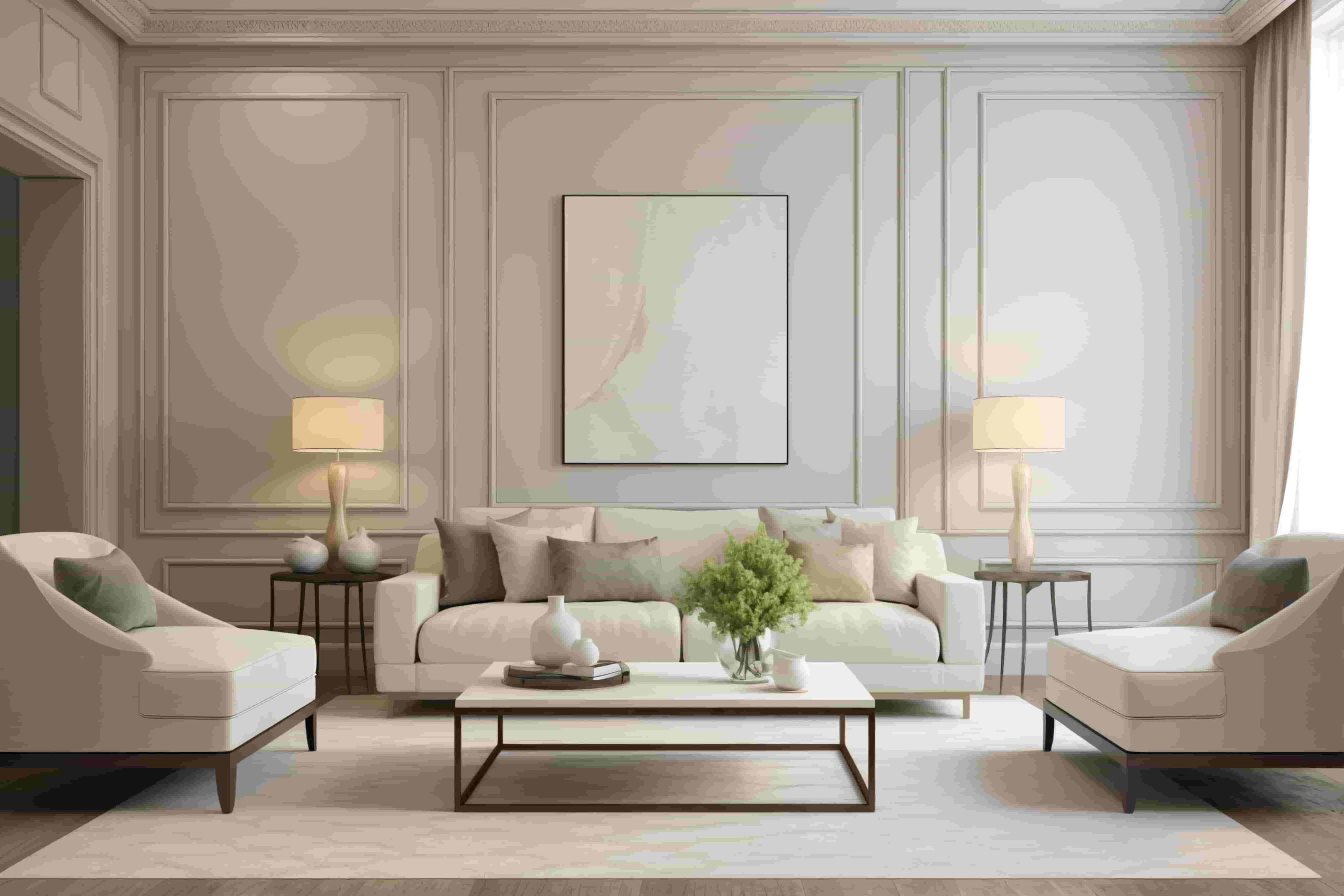

A well-designed retail store can influence how customers explore products, interact with a brand, and make purchasing decisions. From the entrance and product displays to lighting and checkout counters, every element contributes to the shopping experience. Effective retail store interior design combines visual appeal with practical planning to create a space that supports customer comfort and business goals.
In Dubai, retail businesses operate in a competitive market where store presentation plays an important role in attracting attention. Whether it is a fashion boutique, electronics shop, cosmetics store, or lifestyle showroom, the interior should reflect the brand identity while making products easy to discover.
Why Retail Store Interior Design Matters
Retail interior design involves organising a store’s layout, fixtures, lighting, colours, and finishes to create a welcoming and functional environment. A carefully planned space helps customers navigate the store and allows staff to manage daily activities more efficiently.
A clear layout can improve product visibility and reduce clutter. Attractive displays can highlight featured products, while comfortable walking areas make browsing easier. Consistent colours, materials, and signage also help communicate the store’s brand identity.
The goal is to create an environment that looks appealing and works well for both customers and employees.
Essential Elements of Retail Store Interior Design
1. Smart Store Layout
The layout determines how customers move through the store and interact with products. Product categories, walkways, fitting rooms, and checkout areas should be arranged according to the store’s size and business requirements.
An organised layout helps customers find what they need without unnecessary confusion. Retailers should also consider accessibility, staff movement, and space for restocking.
2. Effective Lighting Design
Lighting helps highlight merchandise and establish the atmosphere of a retail space. General lighting provides visibility throughout the store, while accent lighting draws attention to selected products and displays.
The right lighting approach depends on the type of merchandise, the desired ambience, and the colours and finishes used in the interior.
3. Product Displays and Shelving
Well-organised shelving, display units, and counters make products easier to browse. Display heights, spacing, and positioning should be selected according to the products being sold.
Custom fixtures can help businesses make better use of available floor space while maintaining a consistent visual style. Displays should remain practical for customers and easy for staff to maintain.
4. Colours and Interior Finishes
Colours and materials contribute to the overall identity of a retail store. A luxury boutique may use refined finishes and a restrained colour palette, while a lifestyle shop may benefit from brighter colours and flexible display arrangements.
Durable flooring, easy-to-clean surfaces, and suitable wall finishes can also help maintain the store’s appearance over time.
5. Checkout and Customer Service Areas
The checkout counter should be easy to locate without obstructing customer movement. Its position should support efficient transactions and provide enough room for payment equipment, packaging, and storage.
Customer service desks, fitting rooms, and waiting areas should also be integrated into the layout where required.
Retail Interior Design Trends in Dubai
Retail spaces increasingly focus on flexible layouts, distinctive brand experiences, and efficient use of space. Modular display units allow retailers to rearrange merchandise for seasonal promotions or new collections. Digital screens can provide product information and promotional content, while well-planned lighting helps create a consistent shopping atmosphere.
Minimalist interiors, textured finishes, custom joinery, and carefully selected decorative features can give a store a distinctive appearance. However, design decisions should always reflect the target audience, product range, and operational needs rather than follow trends without a clear purpose.
How to Plan a Retail Store Interior Design Project
Planning before construction can help retailers manage costs and avoid unnecessary changes.
Start by defining the store’s purpose, target customers, product categories, and preferred brand image. Measure the available area and determine the space needed for displays, storage, customer circulation, staff activities, and checkout.
Next, establish a realistic budget covering design, materials, furniture, lighting, installation, and finishing work. Request a detailed quotation and clarify the project timeline, responsibilities, and any required building or authority approvals.
It is also important to choose durable materials that suit the level of customer traffic. Finalising the layout and key specifications before work begins can help reduce delays and unexpected expenses.
Choosing a Retail Interior Design Company in Dubai
When comparing retail interior design companies, businesses should review previous commercial projects, design capabilities, workmanship, and communication practices.
A suitable contractor should understand the store’s brand identity and practical requirements. The proposed design should balance appearance, functionality, budget, and the efficient use of available space.
Businesses should also confirm the scope of work, material specifications, expected completion date, and responsibility for coordinating applicable approvals before signing an agreement.
Retail Store Interior Design Solutions by Zadson Dezigns
Zadson Dezigns & Contracting LLC provides interior design and contracting services for residential and commercial spaces. Businesses planning a new shop or upgrading an existing retail location can discuss their design preferences, space requirements, and project objectives with the team.
A successful retail interior begins with understanding how customers will use the space and how products should be presented. From layout planning and interior finishes to lighting and display arrangements, each decision should contribute to a cohesive and functional store environment.
For businesses seeking retail store interior design in Dubai, careful planning can help create a shopping space that reflects the brand and supports daily operations.
Contact Zadson Dezigns & Contracting LLC to discuss your retail interior requirements.
Website: https://zadson.ae/
Phone: +971 52 699 9948
Email: [email protected]
Conclusion
Retail store interior design is an important part of creating a welcoming and memorable shopping environment. A practical layout, suitable lighting, organised displays, and consistent branding can improve the way customers experience a store.
By defining business requirements, planning the budget, and selecting an experienced fit-out partner, retailers can make informed decisions about their interiors. With the right approach, a retail space can become an attractive and functional environment that supports the brand and its customers.



