
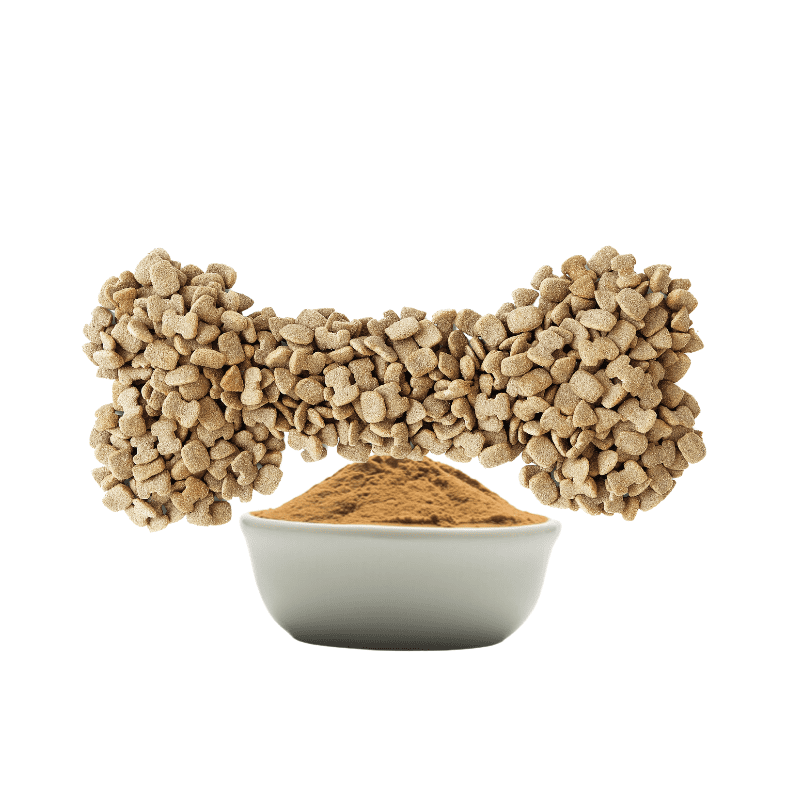

Pet food palatants are ingredients added to pet food and treats to improve their flavor, smell, and overall appeal. They are commonly used in dry kibble, wet food, semi-moist products, and specialized dietary formulations. These ingredients help manufacturers develop products that encourage feeding acceptance while maintaining consistency across production batches.
The outlook for the pet food palatants market is shaped by changing pet ownership patterns, premiumization, ingredient innovation, and the growing demand for products tailored to specific animal preferences. As pet food companies compete to deliver appealing and nutritionally balanced products, palatants are becoming an important component of product development strategies.
Rising Pet Humanization Supports Market Expansion
Pet humanization continues to influence purchasing decisions across the pet care industry. Many owners consider their pets family members and are willing to invest in products that offer convenience, quality, and a satisfying feeding experience. This shift encourages manufacturers to develop pet foods that combine nutritional benefits with appealing flavors and aromas.
Palatants help address the challenge of making complete and balanced diets attractive to animals. Some functional ingredients, including certain proteins, minerals, and specialized nutritional components, can affect the taste or smell of finished food. Carefully formulated palatants can help improve acceptance without requiring manufacturers to compromise their nutritional objectives.
The trend is particularly relevant to premium pet food, where consumers expect consistent quality and distinctive product experiences. Companies that successfully combine nutrition, palatability, and ingredient transparency may strengthen customer loyalty and expand their presence in competitive product categories.
Innovation in Natural and Clean-Label Ingredients
Ingredient transparency is becoming increasingly important to pet owners. Consumers often examine product labels to understand the sources of proteins, flavoring ingredients, and other components included in their pets’ diets. This creates opportunities for manufacturers to explore palatants derived from recognizable animal and plant-based sources.
Natural flavor systems, protein hydrolysates, yeast-derived ingredients, and selected fermentation-based components are among the options that can support palatability development. Their suitability depends on the intended species, formulation, processing conditions, and desired sensory characteristics.
Clean-label expectations also encourage suppliers to improve ingredient traceability and provide clearer information about sourcing and processing. However, natural ingredients do not automatically guarantee better nutritional quality or safety. Manufacturers must evaluate ingredient performance, consistency, and regulatory compliance before introducing new formulations.
In the coming years, innovation will likely focus on balancing consumer preferences for recognizable ingredients with the technical requirements of effective palatants. Suppliers that can deliver reliable performance while supporting transparent product communication may gain a competitive advantage.
Technological Advancements in Palatant Formulation
Technology is expected to play an important role in shaping the future of the pet food palatants market. Improvements in ingredient processing, flavor analysis, and formulation methods enable manufacturers to develop products with more consistent sensory properties.
Spray drying, controlled hydrolysis, coating technologies, and encapsulation can help preserve desirable flavor compounds and improve their delivery within different pet food formats. For example, surface-applied palatants can enhance the aroma of dry kibble, while ingredients incorporated during production can contribute to the overall flavor profile.
Advanced testing methods can also help manufacturers assess how ingredients interact with fats, proteins, moisture, and processing temperatures. These insights support more precise formulation decisions and may reduce the need for repeated production trials.
Data-driven development is another emerging opportunity. By evaluating feeding acceptance, product composition, and formulation performance, companies can identify ingredient combinations suited to particular product categories. Such approaches may help manufacturers respond more efficiently to changing consumer preferences and evolving nutritional requirements.
Growing Demand for Specialized Pet Nutrition
Specialized pet food is creating additional opportunities for palatant suppliers. Products designed for senior animals, sensitive pets, and animals with particular dietary requirements often require careful formulation to maintain both nutritional suitability and feeding acceptance.
Veterinary diets and other specialized formulations can present challenges because their nutritional composition may differ from conventional pet foods. Palatants can help improve the sensory appeal of these products, although their use must remain compatible with the intended dietary purpose.
Age-related changes in appetite and sensory perception can also influence feeding behavior. Manufacturers may therefore explore formulations designed for specific life stages, provided that ingredient choices are supported by appropriate testing and nutritional assessment.
The expansion of functional treats and customized feeding products further broadens the potential applications for palatants. Companies that understand the needs of different animal categories may be better positioned to develop targeted solutions for pet food producers.
Sustainability and Responsible Ingredient Sourcing
Sustainability is becoming a consideration in ingredient sourcing and manufacturing decisions. Pet food companies are examining supply chains, production efficiency, and the environmental implications of raw materials used in their products.
Palatant suppliers may respond by improving resource utilization, reducing processing waste, and exploring responsibly sourced ingredients. By-products from suitable food-processing operations can sometimes serve as useful raw materials, provided they meet applicable quality, safety, and traceability requirements.
Nevertheless, sustainability claims must be supported by credible evidence. Ingredient origin alone does not establish a lower environmental impact, and manufacturers must consider processing requirements, transportation, resource consumption, and supply-chain practices.
Consistent sourcing will remain essential because variations in raw materials can affect the aroma, composition, and performance of palatants. Suppliers that combine responsible procurement with dependable quality controls may strengthen their relationships with pet food manufacturers.
Key Challenges Affecting the Market Outlook
Despite promising opportunities, the market faces several challenges. Raw material price fluctuations can affect production costs, particularly when formulations depend on specific protein sources or specialized ingredients. Supply disruptions may also make it difficult to maintain consistent product characteristics.
Manufacturers must additionally comply with applicable feed safety, labeling, and ingredient regulations. Requirements vary by country and product category, making regulatory knowledge important for companies seeking to expand internationally.
Another challenge involves balancing palatability with nutritional objectives. An ingredient that improves acceptance in one formulation may perform differently in another because of variations in moisture, fat content, processing, and species preferences. Extensive testing is therefore necessary before commercial adoption.
Competition among suppliers also encourages continuous investment in product development, technical support, and customer relationships. Companies that cannot demonstrate consistent performance or justify their pricing may struggle to retain customers in a cost-sensitive environment.
Future Opportunities and Competitive Strategies
The future outlook for the pet food palatants market will depend on how effectively suppliers respond to evolving industry requirements. Opportunities are likely to emerge from customized flavor systems, improved processing technologies, natural ingredient solutions, and palatants designed for specialized nutritional products.
Strategic partnerships between ingredient suppliers and pet food manufacturers can accelerate product development. Early collaboration allows companies to evaluate ingredient compatibility, optimize application methods, and address sensory challenges before products reach commercial production.
Expanding pet ownership and the growing availability of premium pet food products in developing economies may also create opportunities. However, growth will depend on purchasing power, local feeding practices, distribution infrastructure, and manufacturers’ ability to offer products at appropriate price points.
Businesses that prioritize research and development, reliable sourcing, quality assurance, and application-specific expertise may be better equipped to respond to changing demand. Clear communication about ingredient functionality and responsible product claims can further strengthen commercial relationships.
Conclusion
The pet food palatants market is positioned to benefit from increasing attention to feeding acceptance, premium pet nutrition, ingredient transparency, and formulation innovation. Palatants are becoming more than simple flavor enhancers; they are important tools for helping manufacturers balance nutritional requirements with the sensory qualities that encourage pets to eat their food.
Although raw material volatility, regulatory requirements, and formulation challenges will continue to influence industry performance, advances in processing and ingredient development offer meaningful opportunities. Companies that combine technical expertise with consistent quality and responsible sourcing are likely to remain competitive as the pet food industry evolves.
Overall, the market outlook is encouraging, with future progress expected to depend on innovation, specialized applications, and the ability to meet the changing expectations of both pet owners and pet food producers.



