
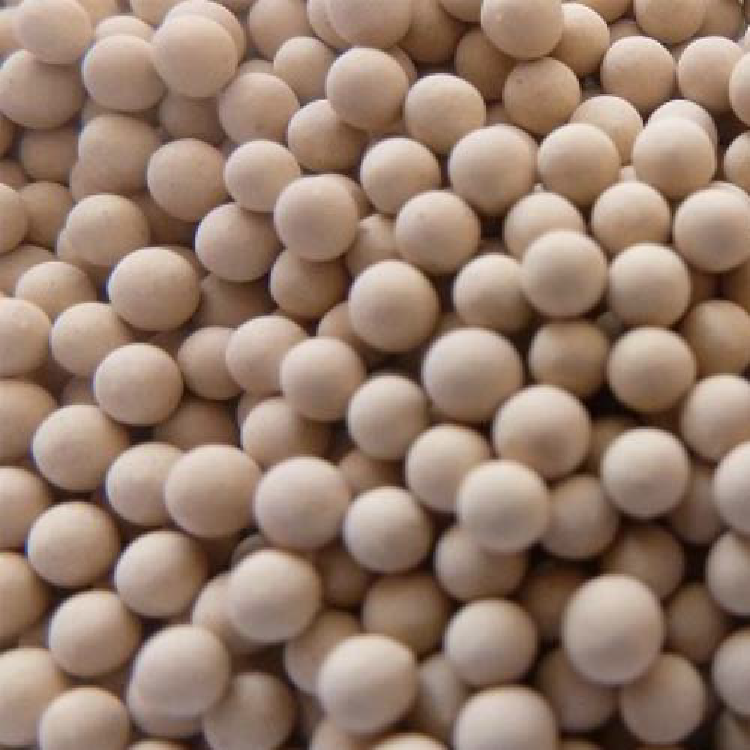

Innovation is reshaping the industrial materials sector, and zeolites are gaining attention because of their distinctive porous structures, adsorption capabilities, and catalytic properties. These crystalline aluminosilicate materials have become important across industries such as petrochemicals, water treatment, agriculture, construction, detergents, and environmental management. As industrial requirements evolve, manufacturers are exploring advanced zeolite formulations and production technologies to improve efficiency, reduce operating costs, and support sustainable development.
The zeolite market is experiencing technological advancements driven by the need for high-performance materials with improved selectivity, durability, and environmental compatibility. Innovations in material engineering, synthetic production, and application-specific formulations are expanding the possibilities for zeolite-based solutions. These developments are also encouraging manufacturers to explore applications beyond traditional industrial uses.
Advanced Zeolite Synthesis Technologies
One of the most important areas of innovation involves improvements in zeolite synthesis. Conventional manufacturing processes often require considerable energy, extended crystallization periods, and carefully controlled operating conditions. Researchers and manufacturers are increasingly investigating alternative synthesis methods to improve production efficiency and material quality.
Hydrothermal synthesis remains an established approach, but new techniques are being explored to achieve better control over crystal size, pore distribution, and chemical composition. These improvements allow manufacturers to develop zeolites with properties tailored to particular industrial requirements.
Microwave-assisted synthesis is another emerging approach. It can accelerate crystallization by providing rapid and uniform heating under suitable processing conditions. This technique has the potential to reduce processing time and improve consistency while supporting the development of specialized zeolite structures.
Additionally, efforts to optimize raw material utilization and reduce manufacturing waste are encouraging more efficient production methods.
Innovations in Catalytic Applications
Catalysis represents a significant application area for zeolite materials. Their structured pore networks and adjustable acidity make them valuable in petroleum refining, petrochemical manufacturing, and chemical processing.
Recent innovations focus on developing catalysts with improved selectivity, activity, and resistance to deactivation. Researchers are modifying zeolite structures through metal incorporation, surface treatment, and controlled changes in silicon-to-aluminum ratios. These techniques help improve catalytic performance for specific chemical reactions.
Hierarchical zeolites are attracting particular interest because they combine microporous structures with larger transport channels. Traditional microporous materials can restrict the movement of larger molecules, limiting their effectiveness in certain applications. Hierarchical structures help address this challenge by improving molecular accessibility and reducing diffusion limitations.
Such advancements can support more efficient refining operations, better conversion rates, and reduced unwanted by-products.
Nanotechnology and Advanced Zeolite Structures
Nanotechnology is creating additional opportunities for zeolite development. Nanosized zeolite crystals offer shorter diffusion pathways and greater external surface areas compared with many conventional structures. These characteristics can improve adsorption and catalytic performance in selected applications.
Manufacturers and researchers are investigating ways to control particle dimensions, morphology, and surface characteristics during synthesis. Improved control over these properties can produce materials suited to demanding separation and purification processes.
Functionalized zeolites are another area of development. By introducing selected metals, polymers, or other functional components, researchers can modify their chemical and physical characteristics. These materials may offer improved performance in gas separation, pollutant removal, and specialized chemical processing.
As manufacturing techniques mature, nanostructured zeolites could contribute to a wider range of industrial applications.
Sustainable Water Treatment Solutions
Environmental sustainability is becoming an important influence on zeolite innovation. Water contamination caused by industrial discharge, agricultural runoff, and urban activities has increased the need for effective purification technologies.
Zeolites are widely investigated for their ability to exchange ions and adsorb selected contaminants. Their applications include removing ammonium ions, certain heavy metals, and other unwanted substances from water under appropriate operating conditions.
Recent research is exploring modified natural and synthetic zeolites with enhanced adsorption capacity and improved selectivity. Surface modification and composite development can help address limitations associated with conventional materials.
Regeneration technologies are also receiving attention. Reusable zeolite systems can reduce material replacement requirements and potentially lower the overall cost of water treatment. These developments create opportunities for industrial wastewater management, municipal treatment facilities, and decentralized purification systems.
Smart Materials for Gas Separation and Energy Applications
Innovations in gas separation are expanding the potential of zeolite-based materials. Their uniform pore structures allow selected molecules to pass through or interact with the material differently, making them useful in separation processes.
Advanced zeolite membranes are being developed for applications involving carbon dioxide capture, hydrogen purification, and natural gas processing. Researchers are working to improve membrane selectivity, mechanical stability, and resistance to operating conditions that may affect long-term performance.
Carbon capture is particularly relevant as industries explore methods to reduce greenhouse gas emissions. Zeolite-based adsorbents can support carbon dioxide separation from industrial gas streams, although their effectiveness depends on moisture levels, gas composition, regeneration requirements, and process design.
Energy-related applications also include the purification of gases used in chemical manufacturing and emerging hydrogen technologies. Continued improvements in material design could strengthen the role of zeolites in cleaner industrial processes.
Agricultural and Construction Industry Innovations
Zeolite innovation is not limited to chemical processing and environmental applications. Agriculture and construction are also creating opportunities for specialized products.
In agriculture, zeolites are used to improve soil properties, retain moisture, and manage nutrient availability. Modified formulations are being investigated for controlled-release fertilizers that help deliver nutrients more efficiently. These solutions may support improved nutrient utilization and reduce losses caused by leaching.
In construction, zeolites are being evaluated as functional additives in cementitious materials and other building products. Their ability to participate in selected chemical reactions and interact with moisture can contribute to specialized material properties. Research into zeolite-based construction additives is also exploring opportunities to improve durability and support more resource-efficient building practices.
These developments are helping manufacturers diversify their product portfolios and reach new customer segments.
Challenges Affecting Commercial Adoption
Despite promising technological progress, several challenges can influence the commercialization of innovative zeolite products. Advanced synthesis methods may require specialized equipment, technical expertise, and additional investment. Maintaining consistent material quality at large production volumes can also be difficult.
Another concern involves the performance of zeolites under complex operating conditions. Moisture, temperature fluctuations, chemical impurities, and repeated regeneration cycles may affect their efficiency and service life.
Furthermore, application-specific materials often require extensive testing before industrial adoption. Manufacturers must demonstrate that new formulations provide measurable benefits compared with conventional alternatives.
Addressing these challenges through process optimization, quality control, and collaboration between research institutions and industrial users will be important for wider commercialization.
Future Outlook for Zeolite Innovations
The future of zeolite innovation will likely be shaped by advanced material engineering, sustainable manufacturing, and expanding industrial applications. Developments in hierarchical structures, nanotechnology, functionalized materials, and membrane systems are creating opportunities to improve performance across multiple sectors.
Manufacturers that invest in research, production efficiency, and application-specific product development may strengthen their competitive position. Partnerships with chemical companies, environmental technology providers, agricultural businesses, and research institutions can also accelerate the transition from laboratory discoveries to commercial products.
Overall, innovation is becoming a major factor influencing the direction of the zeolite market. As industries prioritize efficient resource utilization, pollution control, and advanced processing technologies, zeolite-based materials are positioned to remain relevant in the development of next-generation industrial solutions.



