Physical Address
304 North Cardinal St.
Dorchester Center, MA 02124
Physical Address
304 North Cardinal St.
Dorchester Center, MA 02124

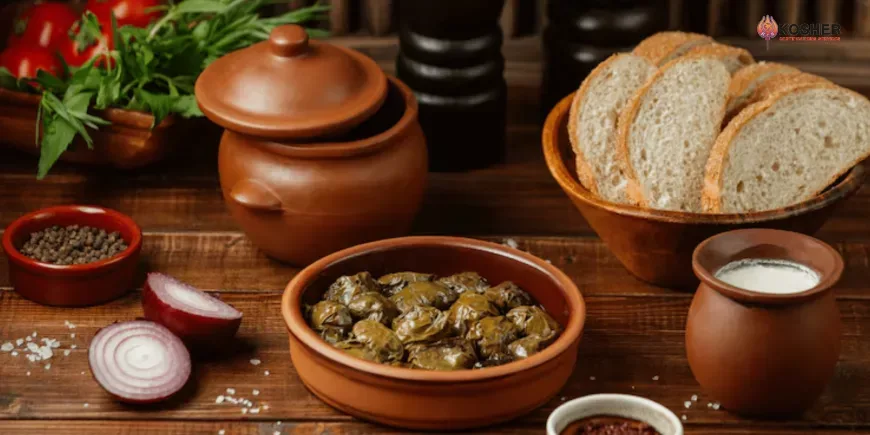
Indian food businesses that export, or that supply large retailers and hotels, often hear two requests: “Is this product halal?” and “Is this product kosher?” The two terms are sometimes treated as interchangeable. They are not. Each comes from a different religious tradition, follows different rules and is verified by different authorities.
This guide explains the main differences, where the two systems overlap and how to work out which certification your business needs.
Kosher refers to food that follows Jewish dietary law, known as Kashrut. Kosher certification is the process by which a rabbinic authority reviews a product, its ingredients and its manufacturing process to confirm they meet those rules.
The review looks at ingredients, suppliers, equipment, cleaning procedures and production flow. A certified product can carry the certifier’s kosher mark on its packaging.
Halal refers to what is permitted under Islamic law. Halal certification is the process by which a recognised halal authority checks that a product and its production process comply with those requirements. Like kosher certification, it covers ingredients, handling and processing, and certified products can carry the certifier’s halal mark.
| Area | Kosher | Halal |
|---|---|---|
| Religious basis | Jewish dietary law (Kashrut) | Islamic law |
| Who certifies | Rabbinic authorities and kosher agencies | Islamic authorities and halal certifying bodies |
| Meat and dairy | Must be kept strictly separate, including equipment | No such separation rule |
| Meat slaughter | Specific method performed by a trained slaughterer | Specific Islamic method of slaughter |
| Permitted animals | Defined rules on which animals and fish are permitted | Defined rules on which animals are permitted |
| Alcohol and intoxicants | Treated under different rules | Intoxicants are restricted |
| Supervision | Often involves ongoing or periodic supervision | Varies by certifying body and product |
The details differ by certifier, so treat this table as a general guide and confirm the rules that apply to your product.
Both systems:
Because of this overlap, some businesses assume one certificate covers the other. That is a risky assumption.
A halal product is not automatically kosher, and a kosher product is not automatically halal. The reasons are practical:
If your buyers need both, plan for each certificate separately.
The answer depends on your buyers, not on your own preference. Ask your importers or customers:
General guidance on markets:
Always confirm with the individual buyer, since requirements vary.
Getting Kosher Certification India follows a structured process. Most businesses go through these stages:
Simple products can often be certified in 7 to 15 days, while multi-ingredient processed foods can take up to 30 days.
For either certification, the authority behind the certificate matters. Buyers abroad will check whether they recognise it. When you look for a Kosher Certification Agency, ask:
The same questions apply when you choose a halal certifying body.
Kosher Certifications Services (KCS) is a Delhi-based agency that works with affiliated rabbis and kosher supervision bodies, and it reports having certified more than 50,000 products across more than 1,000 production facilities. Its website also lists halal certification among its offerings, which may suit businesses that want to discuss both requirements with one contact. As with any provider, confirm that your buyers accept the certificate before you apply.
If your business needs both kosher and halal, these steps help:
Cost depends on the number of products, ingredient complexity, manufacturing process, number of facilities and level of supervision. There is no single price, so ask for an assessment based on your own products. When you look for kosher India services at affordable rates, send each provider the same product and ingredient list, and ask what the fee covers, including supervision, renewals and the addition of new products. KCS states that its services start from USD 1,000, though any starting figure is only a guide until your products are assessed.
For a kosher certificate in India, requirements vary by certifier, but you will usually be asked for:
Much of the same information is useful for a halal application.
Is kosher the same as halal?
No. They come from different religious laws, have different rules and use different certifying authorities.
Can a product be both kosher and halal?
Yes, if it meets the requirements of both systems and holds a certificate from each.
Does a halal certificate satisfy a buyer who asks for kosher?
Not usually. Buyers who ask for kosher generally expect a kosher certificate from a certifier they recognise.
Which should I get first?
Start with the certificate your next order or contract needs, and confirm with the buyer.
Is kosher certification mandatory in India?
No. It is a commercial requirement set by buyers, not an Indian legal requirement.
Kosher and halal certification solve similar problems for buyers, but they are separate systems with separate rules. The best approach is to ask your buyers what they need, prepare complete ingredient and supplier documents and choose certifying bodies that your markets recognise. Planning for each certificate separately avoids delays and rejected shipments.
To learn more about certification services, visit in our website