Physical Address
304 North Cardinal St.
Dorchester Center, MA 02124
Physical Address
304 North Cardinal St.
Dorchester Center, MA 02124

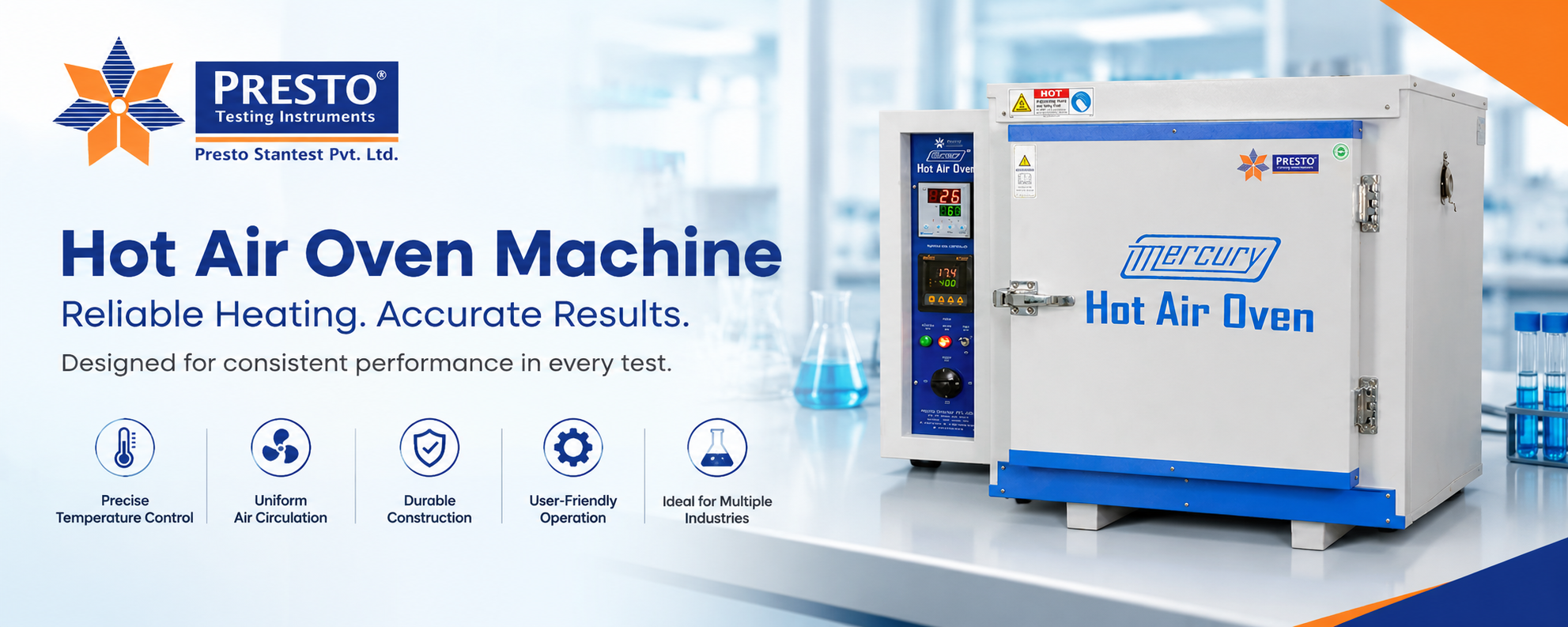
A hot air oven is one of the most commonly used instruments in laboratories, pharmaceutical units, and quality control departments. It looks simple, but choosing the wrong one can lead to uneven heating, unreliable test results, and costly replacements. Most buyers start by comparing the hot air oven price, but the price alone never tells the full story. The manufacturer you choose matters just as much as the model.
This guide explains what affects the cost, what features to look for, and how to pick a dependable hot air oven manufacturer.
A hot air oven is a laboratory instrument that uses dry heat to sterilize, dry, and heat-treat materials. Heated air circulates inside an insulated chamber, and a digital controller keeps the temperature at the set point.
It is widely used for:
Because so many industries depend on it, the instrument has to be accurate and consistent through thousands of heating cycles.
The hot air oven price varies widely because the instruments differ in size, build, and technology. These are the main factors.
1. Chamber capacity
Ovens are sold in capacities ranging from small bench-top units to large floor-standing models. A larger chamber needs more material, a stronger heating system, and more insulation, so the price goes up.
2. Temperature range and uniformity
A basic oven may work up to 200°C, while higher-grade models go further. What matters more is temperature uniformity, meaning every shelf receives the same heat. Better uniformity requires better design, and that adds to the cost.
3. Construction material
Stainless steel interiors resist corrosion and are easy to clean, and they cost more than mild steel. The quality of insulation also affects both energy use and the price.
4. Air circulation type
Natural convection ovens are more economical. Forced air (fan-assisted) ovens heat faster and distribute temperature more evenly, so they are priced higher.
5. Controller and safety features
A digital PID controller, a programmable timer, an over-temperature cut-off, and an alarm all add value. They protect your samples and your equipment.
6. Calibration and documentation
A calibration certificate and proper documentation matter, especially for pharmaceutical and regulated industries. Budget for these when you compare quotes.
7. After-sales support
Warranty, spare parts, and service support are part of the real cost. A cheaper oven without support can cost more in the long run.
It is tempting to pick the lowest quote, but low-cost ovens often compromise on insulation, heating elements, or controllers. The result is temperature drift, longer heat-up times, higher electricity bills, and early breakdowns. A slightly higher upfront investment in a well-built oven usually pays back through accurate results and a longer working life.
A reliable hot air oven manufacturer does more than sell a box that heats. Look for these qualities before you decide.
Ask for a detailed quotation from at least two or three suppliers, and compare specifications line by line instead of looking only at the final number.
Presto Stantest is a trusted manufacturer of laboratory and industrial testing instruments, serving quality control labs, research institutions, and manufacturing industries. Our hot air ovens are built for accuracy, durability, and consistent performance, with reliable temperature control and strong construction. Every unit is tested before it leaves our facility, and our team supports you with guidance, documentation, and after-sales service.
Whether you need a standard model or a configuration made for your application, we help you choose the right oven at a fair price.
When you evaluate a hot air oven, look beyond the price tag. Capacity, temperature uniformity, build quality, safety features, and service support all decide how well the instrument performs over the years. Choosing an experienced manufacturer gives you accurate results and peace of mind.
Looking for a dependable hot air oven? Visit prestogroup.com or contact the Presto Stantest team for specifications, customization options, and a quotation.