Physical Address
304 North Cardinal St.
Dorchester Center, MA 02124
Physical Address
304 North Cardinal St.
Dorchester Center, MA 02124

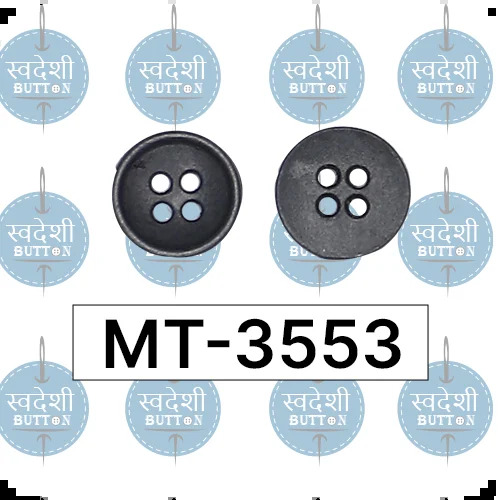
A garment can pass every sewing check and still fail at the last step because of a button. A finish that flakes, a shank that bends, a shade that doesn’t match the master sample: these problems tend to surface late, when fixing them is expensive.
Quality control for metal buttons works best as a process that starts at sampling and continues through bulk production, not a single check at the end. This guide gives factory QC teams, merchandisers and sourcing managers a practical framework. If you buy from Metal Button Suppliers in Bangladesh, you can use it to set clear standards and catch problems early.
Buttons are small, but a failure is highly visible and hard to repair. Replacing a defective button after garments are stitched, washed and packed means unpicking, re-sewing and often re-inspecting. A single bad lot can hold up an entire shipment.
A good QC process protects you in three ways:
Most button problems are preventable if you agree the standard first.
Write a clear specification covering:
Agree a signed master sample. Keep one with you and one with the supplier. Every later lot is judged against it.
Share buyer compliance documents early. Restricted substance limits, test standards and detection requirements should be known before samples are made.
Experienced Metal Trim Button Manufacturers in Bangladesh will welcome a detailed specification, since it also protects them from disputes later.
Do not approve from photos. Test physical samples in the actual alloy, size and finish.
Record the results and keep them with the signed master sample.
When bulk buttons arrive, check them before they go to the line. A sampling-based inspection works for most factories:
Agree an acceptance quality limit (AQL) with your supplier in advance, so everyone knows what counts as an accept or reject.
Quality control continues once buttons are attached to garments.
During production
Before shipment
| Defect | Likely cause | Prevention |
|---|---|---|
| Finish flaking or peeling | Poor plating adhesion or thin plating | Specify plating thickness and test adhesion |
| Tarnishing or discolouration | No protective coating or wrong alloy | Ask about coating and run wash tests |
| Rust spots | Weak corrosion protection on iron or steel parts | Verify coating and test in wash |
| Shade variation between lots | Different finishing batches | Agree master sample and written shade tolerance |
| Loose or detached buttons | Tack too short or weak attachment | Match tack length to fabric thickness and test pull strength |
| Sharp edges or burrs | Poor trimming or polishing | Inspect edges on samples and incoming lots |
| Casting pits or rough surface | Mould or casting problems | Choose suppliers with in-house tooling and finishing control |
| Staining on fabric | Finish transfer or corrosion | Test on light-coloured fabric after washing |
Dependable Casted Metal Button Suppliers in Bangladesh with their own moulds and finishing lines usually have better control over casting defects and finish consistency, because they can correct problems at the source.
Quality depends on the alloy and finish as well as inspection. Zinc alloy, brass, copper alloys and steel each behave differently in washing and wear, and plating thickness and coating vary between suppliers. Technical advice from Metal Alloy Button Manufacturers in Bangladesh helps you choose a material and finish that suit your fabric and wash process, which makes QC much easier later.
For export programmes, compliance is part of quality.
Limits and test methods vary by market and buyer, so always check the specific requirements instead of assuming.
Good QC is a shared effort. Build it into the relationship:
Reliable Metal Trims Button Suppliers in Bangladesh treat QC feedback as useful information, not criticism, and respond with corrective action.
Before production
Sample approval
Incoming inspection
In-line and pre-shipment
Strong button quality control is mostly about preparation: a clear specification, a signed master sample, honest testing in your real process and consistent checks from sampling through shipment. These habits cost far less than rework, rejected lots and lost buyer confidence.
If you are looking for dependable, well-finished metal and zinc cast buttons for apparel, explore the range from Metal Button Suppliers in Bangladesh and work with a team that understands what garment manufacturers need.