
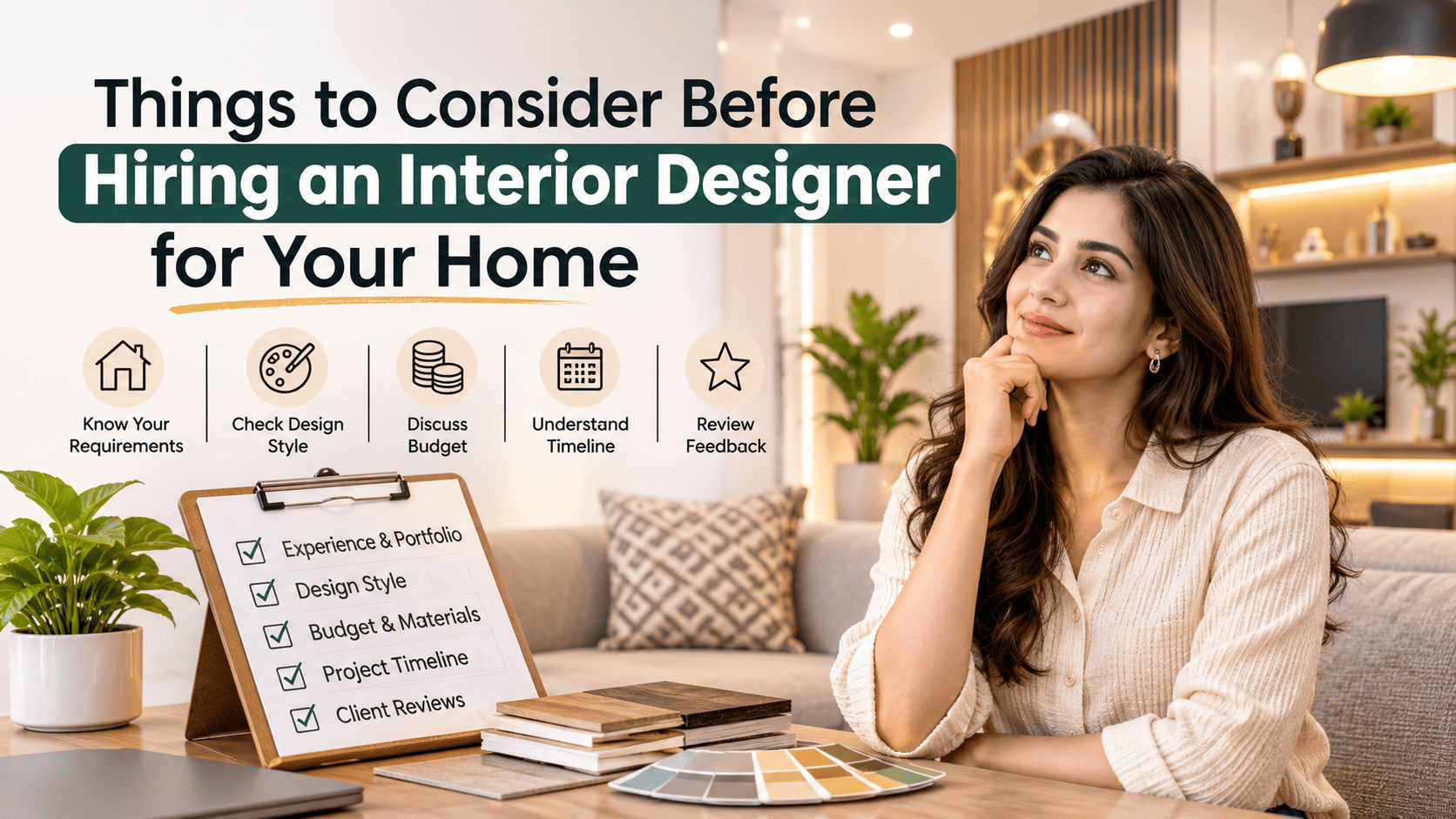

Designing a house is an exciting business, but getting from your initial ideas to a comfortable and workable home is all about proper planning. It’s down to the right mix of furniture, colour, layout, lighting, storage etc. That’s why it’s such an important thing to get the right interior designer.
A pro interior designer will be able to strike the right balance between what looks good and what is practical in day to day life. Before you go ahead and employ someone though, you need to consider a number of things: their experience, their portfolio, their design philosophy, the materials they use, how they plan a project and how they communicate.
Whether you’re looking at a full home renovation or designing a new property, understanding these points can help you to make a better decision and avoid some of the common pitfalls.
1. Understand Your Home Interior Requirements
Before you even go to an interior designer, take some time to work out what you actually want from your home interiors. It will vary from household to household depending on your lifestyle, the size of your family, the amount of space you have and your own individual tastes.
For instance a family with kids may be looking for more storage and more durable furniture whereas someone working from home may be looking for a more comfortable workspace. A homeowner who is a cook may be looking for a well organised kitchen with good storage and good layout.
Make a list of the spaces you want to design (living room, bedrooms, kitchen, bathrooms, dining area etc). You can also gather some reference images, colour schemes and furniture ideas to help you communicate your ideas more effectively.
Having a basic idea of what you’re looking for will enable the designer to come up with a concept that is appropriate to your way of life rather than just going with the latest design fad.
2. Check the Designer’s Experience and Portfolio
Experience is a major factor when you’re choosing an interior designer. Looking at their previous work gives you an indication of their creativity, their technical know how and their ability to deal with all sorts of spaces.
While exploring a portfolio, look for:
* Residential projects similar to your property.
* Creative furniture arrangements and space planning.
* Practical kitchen and wardrobe designs.
* Effective use of lighting and colour combinations.
* Attention to finishing and material selection.
Don’t judge a designer on the basis of attractive photographs. Try to understand how their designs actually go about solving problems and making life easier every day.
If you’re looking for an interior designer in Jaipur then look at those who are familiar with the type of residential requirements in the area, the materials available and the various types of layouts. Their experience with similar projects will be of great assistance in helping you to make a more informed decision.
3. Evaluate Design Style and Creativity
Every interior designer has their own way of going about it. Some are very much in the contemporary camp, others are all about the minimalist, others again are traditional, others are modern, others are luxury.
Before you make a decision, check that the designer’s style is what you’re after. You should also assess their ability to tailor the design to your own requirements.
A good designer doesn’t just copy reference photos. They understand your needs and will adapt the design to your space, your way of life and your comfort level.
A modern living room will probably require a mix of comfortable seating, good lighting, some storage and appropriate wall finishes. The bedroom will be expected to have a relaxing atmosphere with sufficient space for the necessary furniture.
Look for creativity, but make sure the designs you’re proposing are practical for day to day use.
4. Discuss Budget, Materials and Quality
Budget is another key consideration prior to engaging an interior designer. You need to be very clear about your project requirements and your budget so that the design approach can be worked out in line with that.
Interior design is all about the various elements involved, namely furniture, cabinetry, flooring, lighting, wall finishes, hardware and the various decorative accessories. The materials you choose will have a huge impact on the end result in terms of the look, the durability and the level of maintenance required.
Ask the designer what materials they would recommend for various areas of the house.
For example:
* Plywood: used for furniture and cabinet work.
* MDF: suitable for certain furniture applications and decorative finishes.
* HDF/HMR boards: can be considered for selected moisture prone applications (subject to product specs and installation).
* Solid wood: gives you that natural look and can be repaired or refinished.
* Hardware and fittings: good quality hinges, channels and handles will go a long way to improving the usability of the cabinets and drawers.
Don’t just look at the up front cost. Look at the material performance, the durability, the maintenance requirements and whether it’s appropriate for the application in question.
A clear cut discussion of the materials and the requirements of the project will go a long way to avoiding any confusion during the actual execution.
5. Understand the Design Process and Project Timeline
A good design process will ensure that all the various stages of an interior project are properly managed. Before you go and employ an interior designer, make sure you understand how they run a project from the very beginning through to the end.
Generally, an interior design project involves several stages:
1. Initial consultation: understanding the homeowner’s requirements, preferences and expectations.
2. Space planning: producing layouts which improve the flow, functionality and placement of furniture.
3. Design Development: finalising colours, materials, furniture concepts and all the other design elements.
4. Material selection: choosing the right finishes, fittings, lighting and all the other materials.
5. Execution: co-ordinating the approved design with the required on site work.
6. Final inspection: looking at the work that’s been completed and spotting any further requirements.
Ask how the project updates are passed on and how changes are managed during the course of the project. You should also be asking about the timescale and be aware that the actual completion date will be subject to the availability of materials, site conditions and potential design changes.
Clear planning makes the whole process so much easier to manage and helps the homeowner to know what to expect at each stage.
6. Check Client Reviews and Communication
An interior designer’s portfolio will obviously show what they can do, but client feedback can be a useful indicator of how they work.
Before you go ahead and hire someone, take a look at the reviews and testimonials that are available. Look out for comments on communication, project management, finish quality, how responsive they are and how they deal with your specific requirements.
You should also consider how at ease you are in communicating with the designer. An interior project will involve a number of decisions and you may well have to go back to the designer during the course of the project to discuss design changes, material choices or various practicalities.
A pro should listen, explain the options and give clear updates.
If you’re looking at a number of interior designers in Jaipur, don’t just go for the ones with the most eye-catching designs or the most blindingly promotional stuff. Look at their approach to customer service as a whole.
7. Benefits of Hiring a Professional Interior Designer
Hire a professional interior designer, and the whole process of planning and then improving your home becomes a lot more organised. They’ll have all the knowledge of layout, materials, furniture and lighting to hand so can produce spaces which are not only beautiful but also practical.
Some important benefits include:
* Better space utilisation: proper planning will of course help to make the best possible use of the space available.
* Personalised designs: the interiors can be tailored to your lifestyle and your own personal preferences.
* Practical storage: well planned wardrobes, kitchen cupboards and storage units will go a long way to keeping your home in order.
* Material Guidance: Designers can suggest appropriate materials and finishes for various applications.
* Consistent appearance: co-ordinated colours, furniture and lighting to create a balanced interior.
* Project coordination: professional guidance to manage the various stages of the design and delivery process.
Choosing the right interior design company in Jaipur can also make it a lot easier to bring all the various elements of a residential project together under one design approach.
For those planning a full on transformation of their home, working with an experienced Home Interior Designer in Jaipur can go a long way towards realising their vision and creating a practical living environment.
Conclusion
Hire an interior designer and that’s a vital step in creating a home that is truly yours and which will suit your lifestyle. Before you do, you need to look at the designer’s experience, their portfolio, their creativity, their knowledge of materials, their approach to project management and their communication skills.
Take the time to go through your requirements and understand how the proposed designs will work in your actual space. Don’t just be looking at the look of it, look at the functionality, the quality and the long term comfort.
The right design professional can help you make the right decisions and turn your home into a space that’s comfortable, well organised and looks good.
Frequently Asked Questions (FAQs)
1. What should I look for when hiring an interior designer for my home?
Look for an interior designer with relevant experience, a good portfolio and an understanding of your own lifestyle needs. Their design approach, knowledge of materials, communication skills and ability to run the project from start to finish are all important considerations.
2. How do I choose the right interior designer for my home?
Start by identifying your design requirements and exploring different professionals’ portfolios. Compare their previous projects, design styles, client feedback and working processes. Choose someone who understands your expectations and can provide practical solutions within your project requirements.
3. Why is hiring a professional interior designer important?
A professional interior designer helps homeowners plan functional layouts, select suitable materials and create coordinated interiors. Their knowledge of space planning, furniture placement, lighting, and storage can help you avoid common design mistakes and improve a home’s overall usability.
4. How do I find the best interior designer in Jaipur for my home?
To find the best interior designer in Jaipur, review portfolios, compare residential project experience and check genuine client feedback. Discuss your requirements, material preferences, and project expectations before deciding. Choose a professional who offers practical design solutions that suit your home and lifestyle.



