
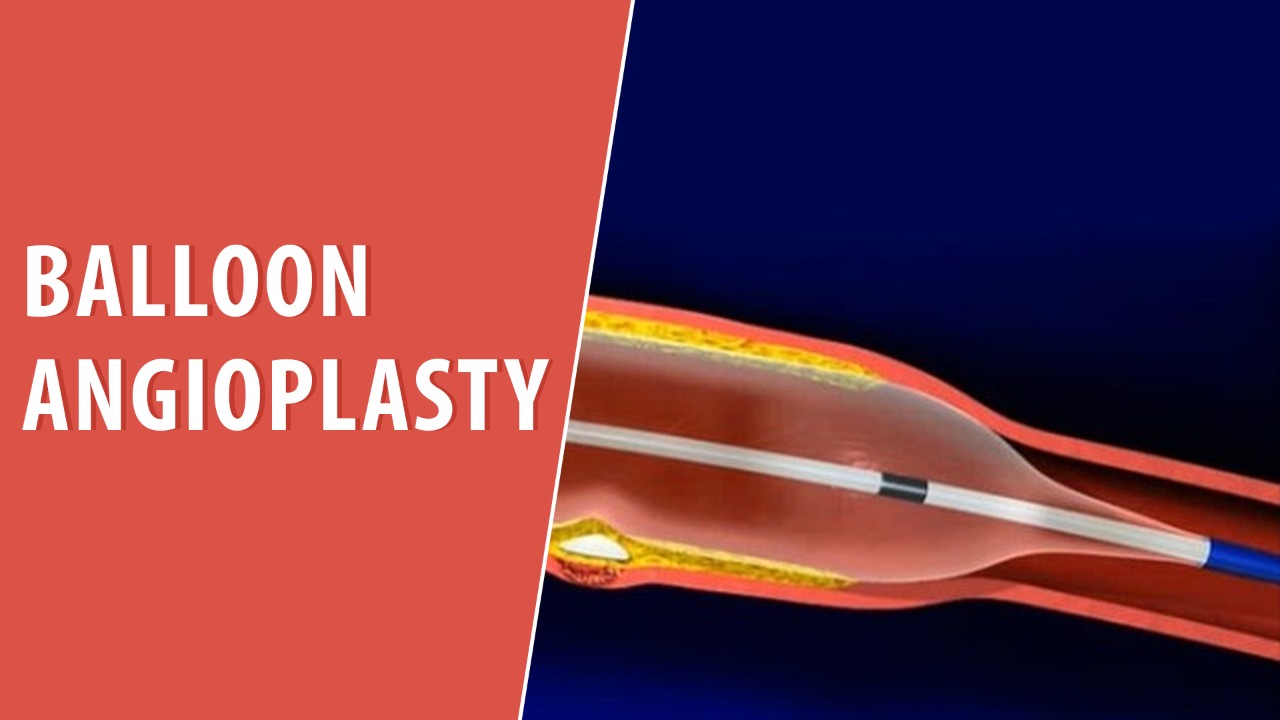

The healthcare industry continues to prioritize effective treatments for cardiovascular diseases, creating opportunities for advancements in minimally invasive medical procedures. Angioplasty has become an important treatment approach for patients experiencing narrowed or blocked arteries. Angioplasty balloons play a central role in these procedures by helping restore blood flow through the controlled expansion of arterial blockages. As healthcare providers focus on improving procedural outcomes and reducing recovery periods, demand for advanced balloon-based devices continues to develop.
The angioplasty balloons market growth is supported by increasing cardiovascular disease prevalence, rising awareness of early diagnosis, and improvements in interventional cardiology technologies. Hospitals and specialized cardiac centers are increasingly adopting advanced medical devices that offer precision, flexibility, and reliable performance. These developments are encouraging manufacturers to improve balloon materials, catheter designs, and treatment-specific solutions.
Rising Prevalence of Cardiovascular Diseases
Cardiovascular diseases remain a major healthcare concern across developed and developing economies. Sedentary lifestyles, unhealthy dietary habits, obesity, diabetes, hypertension, and aging populations contribute to the growing number of patients requiring cardiovascular interventions. Coronary artery disease, in particular, creates demand for procedures that can restore normal blood circulation and reduce the risk of serious complications.
Angioplasty is widely used to treat narrowed coronary arteries without requiring traditional open-heart surgery in many cases. During the procedure, a balloon catheter is guided to the affected area and inflated to widen the narrowed vessel. The increasing number of patients undergoing such interventions is supporting the adoption of angioplasty balloons across healthcare facilities.
Furthermore, growing investments in cardiac care infrastructure are improving access to interventional procedures. Hospitals are expanding catheterization laboratories, upgrading imaging systems, and training specialized medical professionals. These developments are strengthening the demand for dependable angioplasty devices.
Technological Advancements in Balloon Catheters
Continuous product innovation is an important factor influencing the industry’s development. Manufacturers are focusing on improving balloon flexibility, pressure resistance, trackability, and deliverability to address different vascular conditions. Advanced catheter designs help physicians navigate complex arterial pathways while maintaining better control during procedures.
Drug-coated and drug-coated balloon technologies are also receiving attention because they provide an alternative treatment approach for selected vascular conditions. These devices are designed to deliver therapeutic agents directly to the vessel wall during balloon inflation. Such technologies can help manage tissue growth within treated arteries and may reduce the need for additional interventions in appropriate clinical situations.
Specialized products, including cutting balloons, scoring balloons, and high-pressure balloons, are also expanding treatment options. Each design addresses particular procedural requirements, allowing physicians to select devices according to lesion characteristics and patient needs.
These technological improvements are contributing to angioplasty balloons market growth by encouraging healthcare providers to consider advanced products that support procedural efficiency and treatment customization.
Growing Preference for Minimally Invasive Procedures
Patients and healthcare professionals increasingly recognize the benefits of minimally invasive cardiovascular treatments. Compared with conventional surgical approaches, catheter-based interventions can reduce physical trauma, shorten hospital stays, and support faster recovery for eligible patients.
Angioplasty procedures generally require smaller access points and specialized catheter systems, making them an important option in modern cardiovascular care. The growing preference for less invasive treatments is encouraging hospitals to strengthen their interventional cardiology capabilities.
Additionally, improvements in medical imaging and catheter navigation technologies are supporting more controlled procedures. Physicians can better identify arterial blockages and guide balloon catheters toward targeted locations. This combination of imaging advancements and improved device performance is expanding the role of angioplasty in cardiovascular treatment.
Expansion of Healthcare Infrastructure in Emerging Economies
Emerging economies are creating additional opportunities for manufacturers as governments and private healthcare organizations invest in modern medical infrastructure. Countries across Asia-Pacific, Latin America, and the Middle East are expanding specialized cardiac centers to address increasing cardiovascular disease burdens.
Rising disposable incomes, improved insurance coverage, and greater awareness of cardiovascular health are supporting access to advanced treatments. Urban hospitals are increasingly introducing modern catheterization facilities, while healthcare providers are investing in medical equipment to improve diagnostic and treatment capabilities.
However, access to angioplasty procedures remains uneven, particularly in rural and economically underserved regions. Limited specialist availability, high device costs, and infrastructure gaps can restrict adoption. Manufacturers that develop cost-effective products and strengthen distribution networks may find opportunities to expand their presence in these markets.
Key Opportunities for Manufacturers
Product differentiation is becoming increasingly important as medical device companies compete through technological capabilities, clinical performance, and product reliability. Manufacturers can explore opportunities by developing balloons designed for complex lesions, smaller vessels, and specific vascular applications.
Another important opportunity involves collaboration with hospitals, research institutions, and cardiovascular specialists. Such partnerships can support clinical evaluation, product development, and physician training. Improved awareness of advanced balloon technologies may also encourage adoption among healthcare professionals.
The increasing focus on personalized treatment approaches is creating demand for devices that accommodate different patient anatomies and lesion characteristics. Companies investing in specialized product portfolios and manufacturing improvements can strengthen their competitive positioning.
These factors provide a favorable foundation for angioplasty balloons market growth, particularly as healthcare systems continue to modernize cardiovascular treatment facilities.
Challenges Affecting Market Expansion
Despite favorable demand conditions, the industry faces several challenges. High product development costs, strict regulatory requirements, and lengthy approval procedures can increase the financial burden on manufacturers. Medical devices must demonstrate appropriate safety, quality, and clinical performance before entering regulated markets.
Price competition is another important concern, especially in developing economies where hospitals operate under limited procurement budgets. Lower-cost alternatives may influence purchasing decisions, making it difficult for premium product manufacturers to maintain market share.
Additionally, angioplasty procedures carry potential complications, including arterial injury, restenosis, and blood vessel dissection. Although technological improvements continue to address procedural limitations, appropriate device selection and physician expertise remain essential.
Manufacturers must therefore balance innovation with affordability while maintaining consistent product quality and regulatory compliance.
Future Outlook
The future of the angioplasty balloons industry will depend on continued technological development, growing cardiovascular treatment requirements, and improvements in healthcare accessibility. Drug-coated technologies, specialized balloon designs, and enhanced catheter delivery systems are expected to remain important areas of product development.
Emerging economies may offer additional opportunities as cardiac care infrastructure expands and more patients gain access to minimally invasive treatments. Meanwhile, established healthcare markets are likely to emphasize product innovation, clinical effectiveness, and procedural precision.
Overall, angioplasty balloons market growth is expected to remain closely connected to the rising demand for cardiovascular interventions and the continued evolution of interventional medical technologies. Companies that prioritize innovation, affordability, clinical reliability, and strategic healthcare partnerships will be better positioned to address changing treatment requirements.



