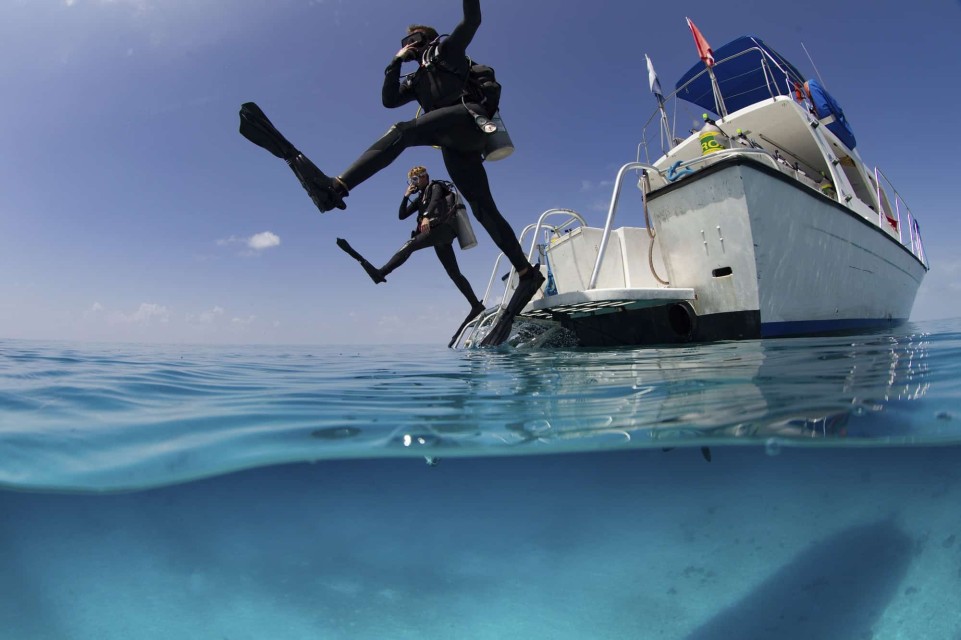

Havelock Island, officially known as Swaraj Dweep, is one of the most popular destinations for scuba diving in the Andaman and Nicobar Islands. Surrounded by clear tropical waters, colourful coral reefs and diverse marine life, the island offers underwater experiences for beginners, recreational divers and certified scuba enthusiasts. Its different dive locations feature varying depths, underwater landscapes and visibility conditions, making it suitable for people with different levels of diving experience.
The Best Scuba Diving Sites in Havelock Island include popular locations such as Nemo Reef, Lighthouse, Aquarium, Turtle Beach and Barracuda City. Each site offers a different underwater environment, from shallow coral gardens to deeper reef formations. Understanding their characteristics, accessibility and diving conditions can help visitors choose a suitable location and enjoy a safe underwater experience.
Popular Diving Spots in Andaman Islands for Underwater Exploration
The Andaman Islands have several scuba diving destinations, but Havelock Island stands out because of its accessible dive locations and diverse marine ecosystems. The island offers opportunities to explore coral formations, tropical fish, reef structures and other underwater attractions.
Some diving locations are suitable for first-time divers because they have relatively shallow waters and manageable conditions. Others are more appropriate for experienced divers who want to explore deeper reef areas and more challenging underwater environments.
Havelock’s diving spots are generally accessed through authorised dive operators who select locations according to weather, sea conditions, diver experience and underwater visibility.
Best Diving Places in Andaman Islands Around Havelock Island
Havelock Island features several recognised diving locations, each with its own underwater characteristics. The following sites are worth understanding when planning a scuba diving experience.
1. Nemo Reef
Nemo Reef is among the well-known diving locations in Havelock Island, particularly for beginners and introductory scuba diving experiences. Its relatively shallow sections and accessible underwater environment make it a suitable location for people experiencing scuba diving for the first time.
The reef features colourful coral formations and tropical fish, including clownfish that are commonly associated with anemones. Divers can observe small marine creatures while exploring the reef under the supervision of trained instructors.
The underwater environment is generally suitable for introductory dives when sea conditions are favourable. However, the exact diving depth and location depend on the operator’s assessment.
2. Lighthouse
Lighthouse is another recognised scuba diving location around Havelock Island. It is known for its reef environment and opportunities to observe different types of marine life.
The site can offer a more varied diving experience depending on the selected depth and prevailing underwater conditions. Divers may encounter reef fish, coral formations and other marine species during their underwater exploration.
Lighthouse is particularly interesting for divers who want to experience a different underwater landscape from the shallow introductory areas. Suitability depends on diving certification, experience and the conditions on the day.
3. Aquarium
Aquarium is a popular diving location associated with Havelock’s underwater reef environment. Its name reflects the colourful marine surroundings that divers can encounter beneath the water.
The location is known for reef formations and tropical fish, creating opportunities for underwater observation and photography. Divers may explore coral structures and watch marine creatures moving through the reef ecosystem.
The experience can vary depending on visibility, water movement and the selected dive route. It is important to follow the instructor’s guidance and maintain an appropriate distance from coral formations.
4. Turtle Beach
Turtle Beach is another underwater location around Havelock Island that attracts interest from scuba diving enthusiasts. The surrounding marine environment offers opportunities to observe coral formations and different reef-associated species.
As its name suggests, the location is associated with turtle habitat, although spotting a sea turtle is never guaranteed. Marine animals move freely through their natural environment, and sightings depend on several environmental factors.
Divers visiting this area should avoid chasing or touching marine animals. Maintaining a respectful distance helps protect wildlife and preserves the natural underwater ecosystem.
5. Barracuda City
Barracuda City is known among scuba diving enthusiasts for its underwater reef environment and opportunities to encounter marine biodiversity. It is generally considered more suitable for divers with appropriate experience and certification than for absolute beginners.
The site may offer encounters with larger reef fish, coral formations and other marine species. Underwater conditions can vary, so the dive team evaluates factors such as currents, depth and visibility before selecting the location.
Its underwater landscape makes it an interesting option for divers looking to explore beyond introductory reef experiences.
6. The Wall
The Wall is an interesting diving location for people who want to explore deeper underwater landscapes. It is recognised for its vertical reef formations, soft corals and marine biodiversity. The underwater structure creates a different experience compared with shallow coral gardens.
Divers can observe reef fish, sea fans and other marine creatures while exploring the reef slope. Depending on the depth and conditions, this site may be more appropriate for certified divers with suitable experience.
7. Dixon’s Pinnacle
Dixon’s Pinnacle is an offshore diving location known for its underwater rock formations and coral-covered pinnacles. The site attracts experienced scuba divers interested in exploring deeper reef structures and observing larger marine species.
Its underwater environment can include schools of fish, soft corals and occasional encounters with larger marine animals. Currents and depth are important considerations at this location, so it is generally associated with advanced diving experiences.
8. Johnny’s Gorge
Johnny’s Gorge is a recognised advanced diving site around Havelock Island. Its underwater landscape features a rocky gorge surrounded by deeper water, creating opportunities to observe larger marine species.
White-tip reef sharks, schooling fish and other marine creatures may be encountered in this area. However, sightings depend on natural conditions and cannot be guaranteed.
Because of its depth and underwater environment, Johnny’s Gorge is generally intended for appropriately certified and experienced divers. Divers should follow the site’s depth limits and the dive team’s safety instructions.
How to Choose the Best Scuba Diving Sites in Havelock Island
Selecting a diving location depends on your experience, comfort in the water, certification and the type of underwater environment you want to explore. Not every diving site is suitable for every visitor.
Consider these factors before choosing a location:
- For first-time divers: Nemo Reef is a recognised introductory location because of its shallow reef environment.
- For colourful coral reefs: Aquarium and Turtle Beach offer opportunities to observe reef formations and tropical marine life.
- For varied underwater landscapes: Lighthouse provides different reef sections and diving conditions.
- For certified divers: The Wall and Barracuda City can offer more varied underwater exploration, depending on certification and conditions.
- For advanced divers: Dixon’s Pinnacle and Johnny’s Gorge are options for divers with the appropriate qualifications and experience.
A dive instructor or authorised operator should assess the location before the activity. The final site selection may change according to weather, currents, visibility and diver ability.
Best Time to Explore Scuba Diving Sites in Havelock Island
The diving season around Havelock Island generally operates during the months when sea conditions are suitable for underwater activities. October to May is commonly considered the main diving season, although the actual operating period varies with weather and sea conditions.
During favourable periods, divers may experience better underwater visibility and more comfortable boat transfers. December to April is often preferred by visitors planning scuba diving because of generally favourable conditions.
The southwest monsoon can bring rough seas, stronger winds and reduced visibility. Offshore locations may become inaccessible during unfavourable weather, while some sheltered diving locations may continue operating when conditions permit.
It is always advisable to confirm diving availability with an authorised operator before planning a particular site.
Marine Life You Can Discover Underwater in Havelock
The underwater environment around Havelock Island supports a variety of marine species and coral ecosystems. Exploring these habitats gives divers an opportunity to observe marine life in its natural surroundings.
Some commonly encountered underwater species include:
- Clownfish: Often found swimming around sea anemones in coral reef environments.
- Parrotfish: Recognised for their colourful appearance and role in maintaining reef ecosystems.
- Butterflyfish: Small, brightly coloured fish frequently observed around coral formations.
- Sea turtles: Green and hawksbill turtles may be encountered around suitable feeding and resting habitats.
- Reef sharks: Certain deeper locations offer opportunities to observe reef sharks.
- Stingrays: These marine animals can sometimes be seen resting near sandy seabeds.
Marine life sightings are never guaranteed. Divers should avoid touching, feeding or chasing underwater animals to minimise disturbance to their natural habitat.
Important Safety Guidelines for Scuba Diving in Havelock
Scuba diving requires proper supervision and awareness of underwater safety practices. Even when visiting beginner-friendly sites, divers should follow established guidelines.
Some important precautions include:
- Choose an authorised dive centre: Ensure that instructors have recognised training and appropriate diving qualifications.
- Follow the pre-dive briefing: Understand hand signals, equipment use, underwater communication and emergency procedures.
- Check weather conditions: Avoid diving when sea conditions, currents or visibility are unsuitable.
- Use appropriate equipment: Check the mask, regulator, buoyancy control device and other essential equipment before entering the water.
- Maintain buoyancy control: Avoid touching coral reefs, seabeds and marine animals.
- Follow depth restrictions: Stay within the limits of your certification and the instructor’s instructions.
- Avoid flying immediately after diving: Follow recommended surface intervals and pre-flight guidelines.
These precautions help reduce risks and protect the fragile marine ecosystem around the island.
Conclusion
Havelock Island offers a variety of underwater locations for people interested in exploring the marine environment of the Andaman Islands. From the shallow reef surroundings of Nemo Reef to the deeper underwater formations of Dixon’s Pinnacle and Johnny’s Gorge, each diving location provides a different experience.
Choosing the Best Scuba Diving Sites in Havelock Island depends on your diving experience, certification, preferred underwater environment and prevailing sea conditions. Beginners can consider supervised introductory locations, while certified divers can explore more challenging reefs and offshore sites. Understanding these differences helps visitors make informed decisions and enjoy scuba diving while respecting the natural marine environment.