

Running a dumpster rental business involves managing more than customer inquiries and container deliveries. Companies must coordinate rental orders, schedule pickups, track dumpster availability, manage drivers, prepare invoices, and maintain customer relationships.
As rental operations expand, handling these activities through spreadsheets, paper records, and separate applications can become time-consuming. Missed appointments, inaccurate customer information, delayed invoices, and scheduling conflicts can affect business performance.
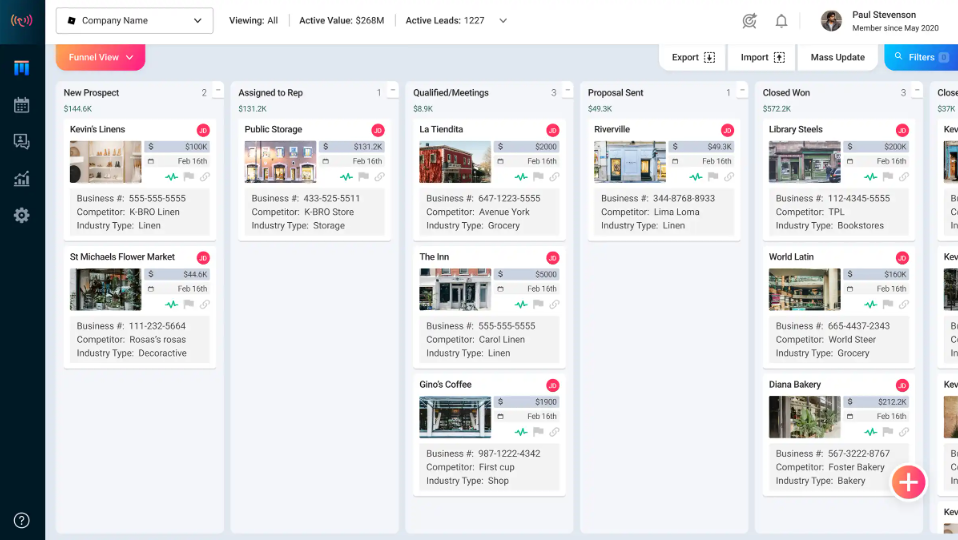
A CRM for dumpster rental provides a centralized system for managing customer relationships while supporting important rental operations. It helps businesses organize leads, track rental requests, manage customer communication, and connect sales activities with daily operations.
For companies offering roll-off dumpster rentals, the right CRM can improve organization, reduce administrative work, and support long-term business growth.
What Is CRM for Dumpster Rental?
CRM for dumpster rental refers to customer relationship management software designed to help dumpster rental companies organize customer information, sales opportunities, rental inquiries, and communication.
Unlike a basic contact management system, specialized dumpster rental CRM software may also connect customer records with scheduling, dispatching, container tracking, billing, and payment management.
Its primary purpose is to simplify the complete customer journey, from the first inquiry to the final pickup and payment.
How Does Dumpster Rental CRM Software Work?
A typical CRM workflow begins when a potential customer requests a dumpster rental through a website, phone call, email, or other communication channel.
The system records the inquiry and allows employees to manage the customer through different stages of the rental process.
A common workflow includes:
-
Lead collection: Customer inquiries are recorded and organized.
-
Customer management: Contact details, service addresses, and rental history are stored.
-
Quote preparation: Employees create estimates based on dumpster size, rental duration, and service requirements.
-
Booking confirmation: Approved quotes are converted into rental orders.
-
Rental scheduling: Delivery, pickup, and exchange appointments are organized.
-
Dispatch coordination: Drivers receive job assignments and delivery instructions.
-
Billing and payment: Rental charges and additional fees are recorded.
-
Customer follow-up: Employees maintain relationships and identify future rental opportunities.
A connected CRM helps businesses maintain accurate customer and rental information throughout the entire service process.
Why Do Dumpster Rental Businesses Need CRM Software?
Dumpster rental companies frequently manage multiple customers, containers, vehicles, drivers, and service locations.
As operations grow, manually coordinating these activities can create unnecessary administrative challenges.
A specialized CRM helps businesses organize information and improve communication between sales, dispatch, customer service, and accounting teams.
Centralized Customer Information
Customer information is essential for providing reliable rental services.
A CRM creates organized customer profiles containing details such as:
-
Customer names and contact information.
-
Residential and commercial service addresses.
-
Previous rental orders.
-
Preferred dumpster sizes.
-
Billing information.
-
Communication history.
-
Special delivery instructions.
Employees can access relevant records without searching through separate spreadsheets or email conversations.
This also makes it easier to support repeat customers.
Better Lead Management
Dumpster rental businesses receive inquiries from homeowners, contractors, property managers, construction companies, and commercial customers.
Not every inquiry immediately becomes a confirmed rental.
CRM software helps organize potential customers according to their sales status.
Common lead stages include:
-
New inquiry.
-
Quote requested.
-
Quote prepared.
-
Quote sent.
-
Follow-up required.
-
Rental confirmed.
-
Service completed.
This organization helps sales representatives prioritize opportunities and reduce missed follow-ups.
Improved Customer Communication
Customers may require updates about delivery schedules, pickup appointments, rental extensions, pricing, or container exchanges.
A CRM helps employees maintain communication records and organize follow-up activities.
Some platforms also support automated booking confirmations, reminders, and service notifications.
Essential Features of CRM for Dumpster Rental
The right dumpster rental CRM should support both customer management and the operational activities involved in renting containers.
The following features are particularly useful for growing rental businesses.
Customer Database and Contact Management
A centralized customer database provides employees with organized access to important customer information.
It may include:
-
Customer profiles.
-
Billing and service addresses.
-
Rental history.
-
Previous estimates.
-
Customer preferences.
-
Outstanding invoices.
-
Communication records.
Centralized customer records reduce duplicate data entry and make customer service more consistent.
Lead and Quote Management
Lead management helps companies organize new inquiries and track potential customers.
Quote management allows employees to prepare estimates based on different rental requirements.
A typical dumpster rental quote may include:
-
Dumpster size.
-
Rental duration.
-
Delivery charges.
-
Included disposal weight.
-
Additional tonnage rates.
-
Pickup charges.
-
Applicable service fees.
Keeping estimates organized helps employees follow up with prospects and maintain consistent pricing information.
Online Booking and Rental Requests
Online booking functionality allows customers to submit rental requests through a company’s website.
A booking form may collect:
-
Customer information.
-
Requested container size.
-
Delivery address.
-
Preferred delivery date.
-
Expected rental duration.
-
Type of waste.
-
Special placement instructions.
Depending on the software, submitted requests can be transferred directly into the company’s rental management workflow.
Delivery and Pickup Scheduling
Scheduling is one of the most important functions of dumpster rental management.
A rental company must coordinate deliveries, pickups, and container exchanges while ensuring that available equipment is assigned correctly.
CRM platforms with scheduling capabilities can provide calendar views, job statuses, and appointment information.
This helps employees identify scheduling conflicts and organize daily operations.
Dispatch and Driver Management
Dispatch management connects office employees with drivers working in the field.
Depending on the platform, dispatchers may assign jobs, provide service instructions, and monitor job progress.
Useful capabilities include:
-
Driver assignments.
-
Delivery schedules.
-
Pickup appointments.
-
Route information.
-
Job status updates.
-
Mobile access.
-
Customer placement instructions.
Dumpster and Container Tracking
Container tracking helps businesses understand where their dumpsters are located and whether they are available for new rentals.
A container management system may record:
| Tracking Information | Business Purpose |
|---|---|
| Container ID | Identifies individual dumpsters |
| Dumpster Size | Records container capacity |
| Current Location | Shows where the container is assigned |
| Rental Status | Indicates availability or active rental |
| Delivery Date | Records the placement date |
| Pickup Date | Tracks scheduled collection |
| Maintenance Status | Identifies containers requiring attention |
Accurate container tracking helps companies improve equipment utilization and reduce scheduling confusion.
Billing and Payment Management
Dumpster rental billing may involve several different charges, including base rental fees, additional rental days, disposal weight, and container exchanges.
CRM software with billing capabilities helps employees organize these charges and maintain payment records.
Some systems also support online payments and accounting integrations.
Businesses should verify whether invoicing, payment processing, and accounting connections are included in their selected subscription.
Benefits of Using CRM for Dumpster Rental Companies
A specialized CRM can improve several areas of business performance when supported by accurate information and effective workflows.
Reduced Administrative Work
Managing customer records, quotes, schedules, and invoices manually can consume considerable employee time.
A centralized platform reduces the need to enter information into multiple systems.
Employees can spend more time supporting customers and coordinating rental services.
Fewer Scheduling Conflicts
Scheduling conflicts can occur when multiple employees manage deliveries and pickups using separate records.
Connected scheduling and container tracking provide better visibility into operational commitments.
This helps dispatchers identify unavailable containers and organize upcoming jobs more effectively.
Improved Customer Experience
Customers expect clear pricing, accurate delivery information, and timely communication.
A CRM allows employees to access customer details and rental history quickly.
Automated reminders and service notifications can also help customers stay informed.
Better Revenue Management
Missed rental extensions, unrecorded additional charges, and delayed invoices can affect profitability.
A system connecting rental orders with billing helps employees review charges and outstanding payments.
Business reports can also highlight revenue trends and opportunities for improvement.
Increased Repeat Business
Maintaining customer relationships after a completed rental can encourage repeat orders.
CRM software helps businesses organize customer histories, follow-up reminders, and future sales opportunities.
This is particularly useful for contractors, property managers, and commercial customers who regularly require waste removal services.
CRM vs. General Dumpster Rental Management Software
A general CRM primarily focuses on customer contacts, sales leads, opportunities, and communication.
Dumpster rental management software has a broader operational focus that may include scheduling, dispatching, container tracking, rental billing, and fleet management.
Some specialized platforms combine both functions.
| Feature | General CRM | Dumpster Rental Software |
|---|---|---|
| Customer Database | Yes | Usually |
| Lead Management | Yes | Often |
| Quote Management | Often | Usually |
| Online Booking | May require integration | Often |
| Delivery Scheduling | Limited or integrated | Usually |
| Dispatch Management | Limited or integrated | Often |
| Container Tracking | Not usually | Often |
| Rental Billing | May require integration | Often |
| Fleet Management | Not usually | May be available |
| Operational Reporting | Sales-focused | Rental-focused |
A small dumpster rental company may initially need customer management and quote tracking.
A larger operation managing numerous containers and vehicles may benefit from a specialized platform connecting CRM with dispatching, inventory, and billing.
How to Choose the Best CRM for a Dumpster Rental Business
Selecting the right platform requires understanding current business challenges and future operational requirements.
Identify Business Requirements
Companies should first identify the activities that need improvement.
For example, a business losing potential customers may prioritize lead management and automated follow-ups.
A company experiencing delivery conflicts may require stronger scheduling, dispatching, and container tracking.
Evaluate Ease of Use
Software should be straightforward for office employees, sales representatives, dispatchers, and drivers.
A complicated system can increase training requirements and reduce employee adoption.
Businesses should request a demonstration and test important workflows before selecting a platform.
Check Mobile Capabilities
Drivers and field employees may need access to job assignments, service addresses, and customer instructions while working outside the office.
Mobile applications or mobile-friendly interfaces can improve communication between field employees and office staff.
Review Integration Options
A dumpster rental CRM may need to connect with existing business applications.
Important integrations may include:
-
Accounting software.
-
Payment processing systems.
-
Website booking forms.
-
Email platforms.
-
Mapping and route planning tools.
-
Customer notification services.
Businesses should confirm integration availability and understand whether additional charges apply.
Compare Pricing and Customer Support
CRM pricing varies according to the provider, number of users, available features, and subscription structure.
Companies should evaluate the complete cost rather than comparing monthly subscription prices alone.
Setup, employee training, data migration, integrations, and customer support should also be considered.
Common Challenges Solved by Dumpster Rental CRM
A properly implemented CRM can address recurring administrative and operational problems.
| Business Challenge | How CRM Software Helps |
|---|---|
| Lost customer inquiries | Organizes leads and follow-ups |
| Duplicate customer records | Centralizes customer information |
| Missed rental appointments | Improves scheduling visibility |
| Unavailable containers | Supports container status tracking |
| Delayed invoices | Organizes rental and billing information |
| Poor customer communication | Maintains communication history |
| Unrecorded rental extensions | Tracks rental order information |
| Limited business visibility | Provides reports and performance data |
| Manual administrative work | Automates selected processes |
However, software alone cannot guarantee better business results.
Accurate records, employee training, clear procedures, and regular system maintenance are essential for successful implementation.
How CRM Improves Dumpster Rental Business Growth
CRM software can support business growth by improving the way companies manage customers, rental operations, and financial information.
Improved Sales Opportunities
Organized lead management helps employees identify potential customers and follow up at the right time.
This can reduce missed opportunities and improve the consistency of sales activities.
Better Operational Visibility
Connected rental schedules and container records provide managers with a clearer view of daily activities.
This information can support decisions about equipment availability, staffing, delivery planning, and business expansion.
More Consistent Customer Service
When employees have access to accurate rental histories and communication records, they can respond more effectively to customer questions.
Consistent service can help strengthen customer relationships and encourage repeat business.
More Informed Business Decisions
Reporting and analytics can help managers evaluate revenue, rental activity, customer retention, and operational performance.
These insights support better planning and help identify areas where processes may need improvement.
Frequently Asked Questions
What is CRM for dumpster rental?
CRM for dumpster rental is software that helps rental companies manage customer information, leads, quotes, communication, and related rental activities.
What is the best CRM for dumpster rental businesses?
The best CRM depends on company size and operational requirements. Businesses should compare customer management, online booking, dispatching, container tracking, billing, integrations, and support.
Can dumpster rental CRM manage deliveries and pickups?
Some specialized platforms include delivery and pickup scheduling tools. Certain systems also support driver assignments, dispatching, and job status updates.
Does dumpster rental CRM track containers?
Some rental management platforms provide container tracking features, including identification numbers, current locations, availability, and rental status.
Can CRM software automate dumpster rental billing?
Certain platforms support automated invoicing, rental charge calculations, payment records, and additional fee management. Available functions vary by provider.
How much does dumpster rental CRM software cost?
Pricing depends on the software provider, subscription plan, number of users, and available features. Businesses should request complete pricing details before making a decision.
Is CRM software suitable for small dumpster rental companies?
Yes. Small companies can benefit from organized customer records, lead management, quote tracking, and rental scheduling. The selected software should match their budget and operational requirements.
Can dumpster rental CRM integrate with accounting software?
Some platforms offer accounting integrations that connect rental transactions with financial records. Businesses should confirm supported applications and integration costs.
Conclusion
A CRM for dumpster rental helps businesses organize customer relationships while improving the management of rental inquiries, quotes, scheduling, dispatching, container tracking, and billing.
By connecting customer information with everyday rental operations, specialized software can reduce administrative work, improve communication, and provide better visibility across the business.
Before choosing a platform, companies should evaluate their operational needs, mobile capabilities, integration options, subscription costs, and customer support.
The right dumpster rental CRM helps businesses manage customers more effectively, coordinate rental operations efficiently, and build a stronger foundation for sustainable growth.



