

Medical instruments are important tools used in hospitals, clinics, laboratories, and other healthcare facilities. They help doctors examine patients, identify health problems, perform treatments, and monitor recovery. Different medical tasks require different types of instruments, so healthcare facilities need a suitable range of tools for their daily work.
A medical instrument list helps hospitals and clinics identify the equipment used in each department. It may include basic examination tools, diagnostic machines, surgical instruments, dental tools, and patient monitoring devices. Understanding the different types of medical instruments helps healthcare professionals select suitable products and manage their equipment properly.
What Is a Medical Instrument List?
A medical instrument list is a record of the tools and devices used in a healthcare facility. It helps staff keep track of available equipment, check product conditions, and identify items that need to be purchased or replaced.
The list can include simple tools such as thermometers and stethoscopes, as well as advanced equipment such as ultrasound machines and patient monitors. It may also contain information about the quantity, location, and maintenance needs of each item.
Different departments have different equipment needs. For this reason, hospitals often arrange their instruments according to their purpose and area of use.
Basic Examination Instruments
Basic examination instruments are used during routine patient checkups. Doctors and nurses use these tools to check general health conditions and identify signs that may need further attention.
A stethoscope is one of the most common examination tools. It helps doctors listen to heartbeats and breathing sounds. A thermometer measures body temperature, while a blood pressure monitor checks blood pressure. A pulse oximeter measures the oxygen level in the blood and displays the pulse rate.
Other common examination tools include weighing scales, measuring tapes, examination lights, and reflex hammers. These instruments help medical staff collect basic health information and make decisions about further tests or treatment.
Diagnostic Medical Instruments
Diagnostic instruments help healthcare professionals identify health problems and understand a patient’s condition. They are used in hospitals, laboratories, and specialist medical centers.
An ECG machine records the electrical activity of the heart and helps doctors check for possible heart problems. Ultrasound machines use sound waves to create images of internal body parts. X-ray machines help doctors examine bones and detect injuries or other health concerns.
Laboratory instruments are also part of this group. Microscopes allow laboratory staff to study small samples, while centrifuges separate different parts of blood and other liquids. Blood glucose meters are used to measure sugar levels, especially for people with diabetes.
These instruments provide useful information that supports diagnosis and treatment planning.
Surgical Instruments
Surgical instruments are specially designed tools used during operations and medical procedures. They help surgeons cut, hold, grasp, clamp, and move tissues with care.
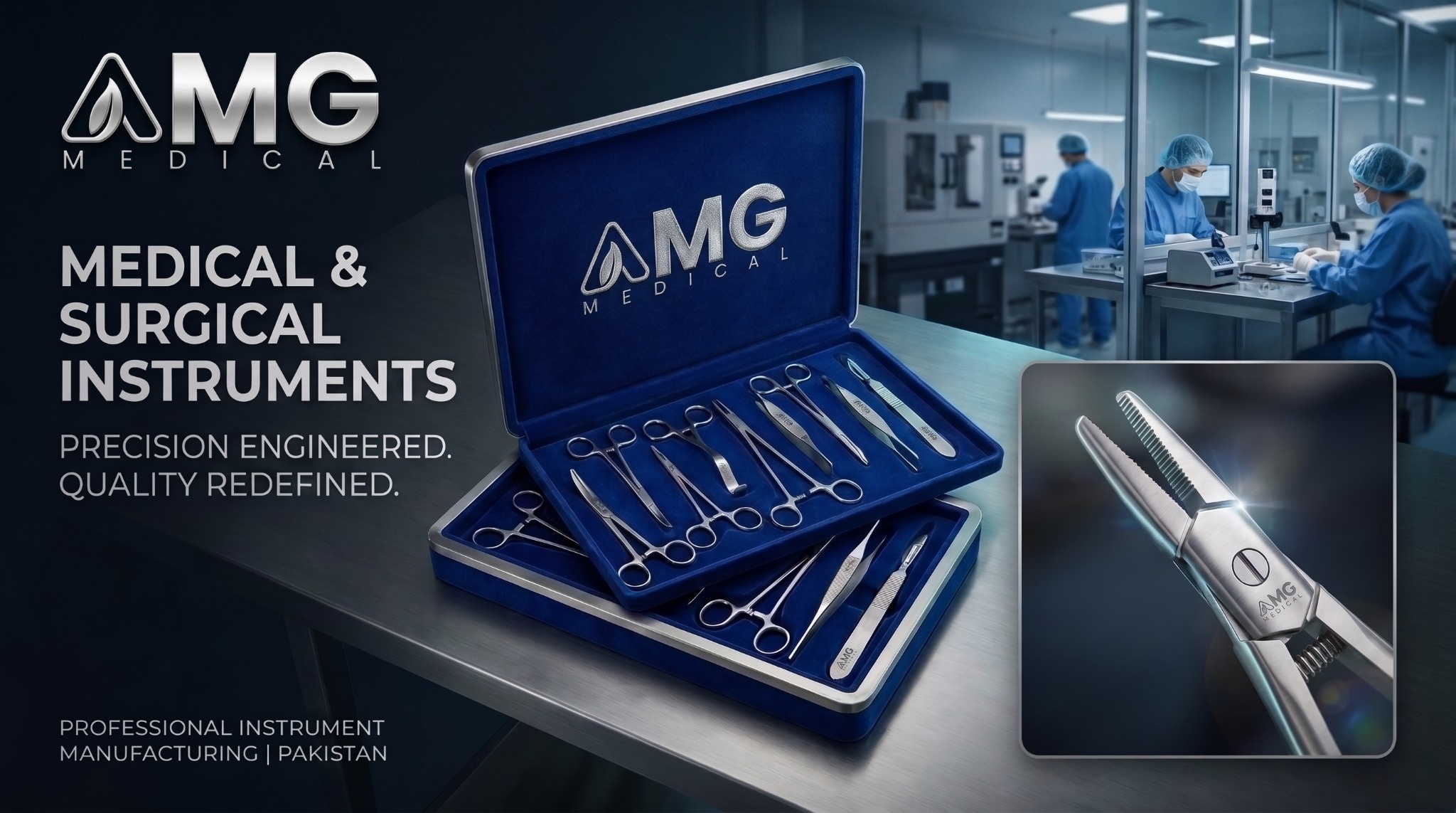
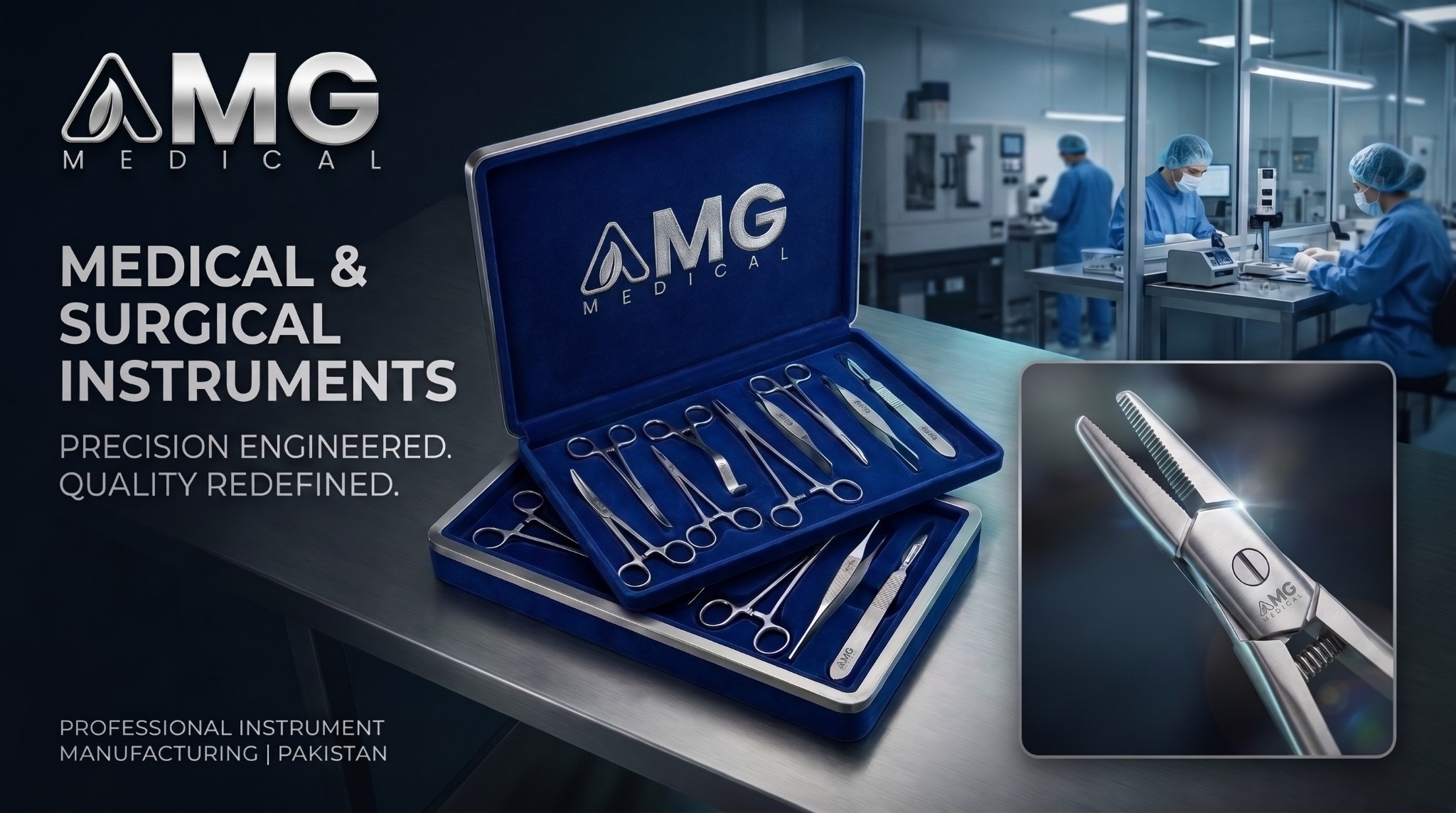
Scalpels are used to make precise cuts. Surgical scissors help cut tissues and sutures, while forceps are used to hold or handle tissues. Needle holders help surgeons guide needles when stitching wounds. Retractors keep the surgical area open so that the surgeon can work more easily.
Other common surgical tools include artery forceps, tissue forceps, surgical clamps, and suction instruments. Each tool has a specific purpose, and the required instruments depend on the type of procedure.
Reusable surgical instruments must be cleaned and sterilized according to the manufacturer’s instructions and relevant healthcare guidelines. Proper handling and inspection help support safe medical procedures.
Dental Instruments
Dental instruments are used by dentists to examine teeth, clean the mouth, and perform different dental treatments. They help dental professionals provide proper oral care.
A dental mirror allows the dentist to view areas that are difficult to see directly. A dental probe helps examine tooth surfaces, while scalers are used to remove plaque and tartar. Dental forceps are used for tooth removal when needed.
Other dental tools include elevators, dental drills, impression trays, and extraction instruments. The choice of tools depends on the treatment being performed. Proper cleaning and care are important to keep these instruments safe and ready for use.
Patient Monitoring Instruments
Patient monitoring instruments help doctors and nurses observe important body functions. They are commonly used in intensive care units, emergency rooms, operating rooms, and recovery areas.
A pulse oximeter checks blood oxygen levels, while an ECG monitor records heart activity. Multiparameter monitors can display several health readings, such as heart rate, blood pressure, and oxygen levels. These tools help medical staff observe changes in a patient’s condition.
Monitoring instruments are useful for patients who need regular checks or close medical attention. Their readings help healthcare teams decide when further care may be required.
Biomedical Devices
Biomedical devices are used to support the diagnosis, treatment, and monitoring of different health conditions. They include a wide range of electronic and mechanical equipment found in modern healthcare facilities.
Common examples include ventilators, infusion pumps, patient monitors, ultrasound machines, and laboratory equipment. Ventilators provide breathing support, while infusion pumps control the delivery of fluids and medicines. Patient monitors display important health readings for medical staff.
Hospitals should keep proper records of these devices, including their location, condition, and maintenance needs. Regular inspection and servicing help support reliable performance and reduce the risk of unexpected equipment problems.
Laboratory Instruments
Laboratory instruments are used to test blood, urine, tissue, and other samples. They help laboratory professionals collect information that doctors use to understand a patient’s health.
Microscopes are used to examine small objects and samples. Centrifuges separate sample components, while laboratory refrigerators help store certain materials at suitable temperatures. Pipettes are used to measure and transfer small amounts of liquid.
Other laboratory equipment includes test tubes, sample containers, analyzers, and weighing scales. The type of equipment required depends on the tests performed by the laboratory.
Hospital Furniture and Patient Care Equipment
Hospital furniture is an important part of a healthcare facility. It supports patient comfort and helps medical staff carry out daily tasks.
Common items include patient beds, examination tables, wheelchairs, bedside cabinets, medical trolleys, and treatment chairs. Adjustable beds allow patients to rest in different positions, while medical trolleys help staff move supplies and instruments between rooms.
When planning hospital furniture, facilities should consider comfort, strength, ease of cleaning, and available space. A reliable hospital furniture supplier can help healthcare buyers find products suitable for different departments and patient needs.
Emergency Medical Instruments
Emergency medical instruments are used when patients need immediate care. These tools are commonly found in emergency rooms, ambulances, and first-aid areas.
Oxygen masks help provide oxygen to patients who need breathing support. Resuscitation bags are used to assist breathing, while suction devices help clear fluids from the airway. Defibrillators are used by trained staff to deliver an electric shock when certain serious heart rhythm problems occur.
Emergency equipment should be easy to access and checked regularly. Staff training is also important so that these tools can be used correctly when urgent care is required.
Importance of Choosing the Right Medical Instruments
Selecting suitable medical instruments is important for every healthcare facility. Hospitals should consider the purpose of each tool, its quality, ease of use, and maintenance needs. Instruments should be suitable for the medical tasks they are designed to perform.
Healthcare buyers should also check product details, safety information, and supplier support before purchasing equipment. Reusable instruments need proper cleaning and sterilization, while electronic devices may require regular inspection and calibration.
Conclusion
There are many types of medical instruments used in modern healthcare. Basic examination tools, diagnostic machines, surgical instruments, dental tools, laboratory equipment, and patient monitoring devices all support different medical tasks.
Biomedical devices and suitable hospital furniture also play an important role in the daily work of healthcare facilities. By choosing quality products, keeping accurate equipment records, and following proper maintenance practices, hospitals and clinics can support organized services and provide effective patient care.
More Info: Amg Medical



