
Here’s something most couples don’t realize until the day itself: your photos are shaped as much by your timeline as by your Wedding photographer. Rushed schedules lead to rushed photos, and a day with breathing room leads to relaxed, happy images. A little planning goes a long way.
Start with the ceremony time
The ceremony is the anchor for everything else. Think about when the light will be best, and work backward. Late-afternoon ceremonies often give soft, flattering light for portraits afterward. Midday ceremonies can mean harsh sun, but they also leave plenty of time for everything else. Talk with your photographer about how your date and venue affect the light before you finalize the schedule.
Give getting-ready enough time
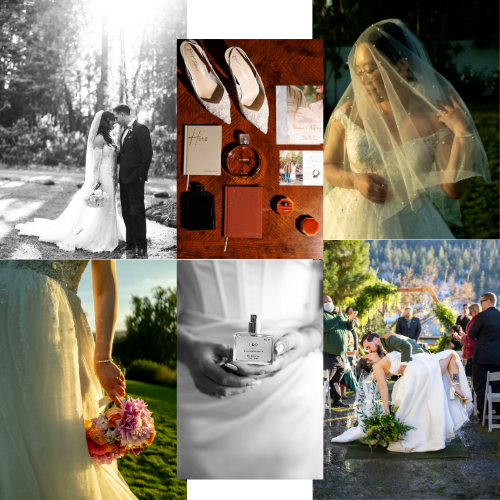
Getting-ready photos are some of the most personal of the day: hands fastening a necklace, a parent adjusting a tie, friends laughing over champagne. They need time and calm. Aim for your photographer to arrive while hair and makeup are wrapping up, and plan for at least an hour of coverage. Running late is almost guaranteed, so build in a little buffer. Your future self will thank you.
Tips for looking relaxed on camera
Most people feel awkward in front of a camera at first, and that’s completely normal. A few things help:
- Focus on each other, not the lens. Pretend the photographer isn’t there.
- Breathe. Take a slow breath before each set of portraits. Tension shows in shoulders and smiles.
- Move. Walking, swaying or laughing together looks more natural than standing still.
- Be a little silly. The goofy moments often become your favorites.
- Choose a photographer you like. Comfort with the person behind the camera shows in every frame.
Consider a first look
A first look means seeing each other privately before the ceremony. Many couples love it. It’s a quiet, emotional moment, and it lets you take portraits before the ceremony, so you can join your cocktail hour instead of disappearing for photos. Others prefer the tradition of seeing each other at the aisle, which is beautiful too. Either way works, so choose what feels right.
Plan time for portraits
Couple portraits don’t need hours, but they do need a calm window. Thirty to forty-five minutes is often enough for relaxed photos. Wedding party and family portraits usually need an additional twenty to thirty minutes. If these are squeezed into ten minutes between the ceremony and the reception, everyone feels hurried, and the photos show it.
Don’t skip the cocktail hour
With good planning, you may be able to enjoy at least part of your cocktail hour. This is when guests mingle, laugh and relax, and it’s a great time for candid photos. Even stepping in for twenty minutes helps you feel present at your own wedding.
A sample flow
Every wedding is different, but a day might look like this:
- Getting ready: details and candid moments, about 1 to 1.5 hours
- First look and portraits: about 45 minutes
- Family and wedding party photos: about 30 minutes
- Ceremony: the main event
- Cocktail hour: guest candids and a few couple moments
- Reception: entrances, toasts, first dance, cake and dancing
Leave room for the unexpected
The best advice we can give is to leave margin. Traffic happens. Zippers stick. Someone’s flower girl needs a snack. When your timeline has a few spare minutes here and there, small hiccups don’t turn into stress, and your photos stay relaxed and joyful.
Share your plans early
Send your photographer your schedule well before the wedding, along with a list of must-have family groupings and any special moments you want captured. They’ve seen how a hundred wedding days unfold and can gently suggest tweaks that help you get the most from the day. Plan together, then enjoy it.
Ask the practical questions
Once you like the work and the person, get into the details. A few worth asking:
- How many photographers will be at the wedding, and is a second shooter included?
- What backup equipment do you bring, and what happens if you get sick?
- How long until we receive our photos, and roughly how many should we expect?
- Have you photographed at our venue, or in our part of the Bay Area or Sacramento?
- How will we receive the finished gallery, and how long will it stay online?
A good photographer will answer these easily. If the answers feel vague, take note.
Don’t decide on price alone
Budget matters, and there’s nothing wrong with saying so. But compare what’s actually included: hours of coverage, the size of the team, editing, delivery, and whether video is available. A lower price can end up costing more if the coverage ends before the dancing starts or the gallery arrives months late. Be upfront about your budget. Most photographers would rather help you find a package that works than lose you over a misunderstanding.
Trust your gut
At the end of the day, you’re looking for someone talented and someone you genuinely like having around. When you find the person whose photos make you feel something, and whose company makes you feel at ease, you’ve probably found your photographer.