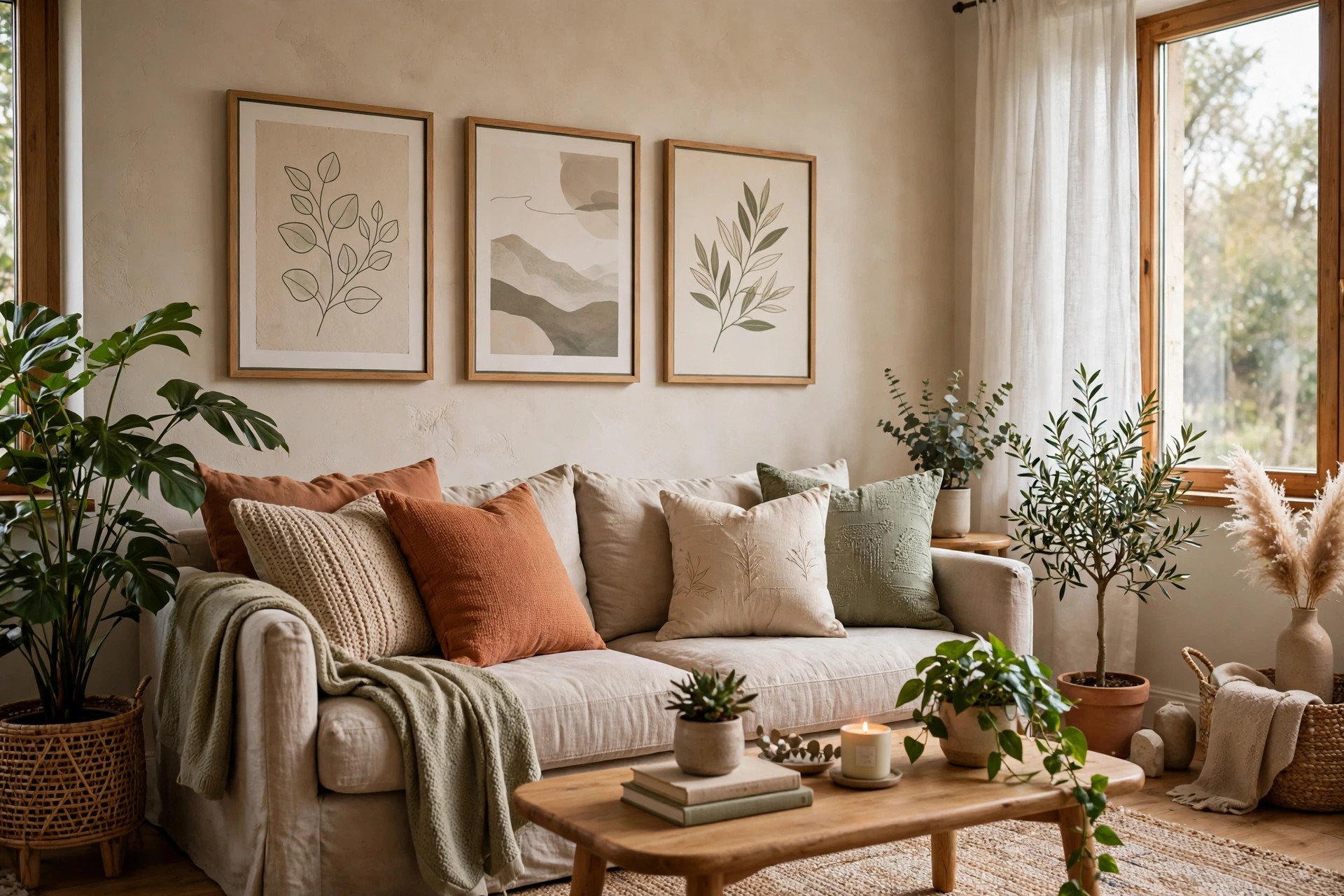

What is home decor? It is the simple art of making a room feel like yours. It is about choosing colours, textures, light and objects that fit the way you live, so a room feels calm, welcoming and useful. If you are new to decorating, what is home decor for your home is the best place to start, because it explains the basics in plain language before you spend a single rupee.
Good decor does not happen in one shopping trip. It grows slowly, one thoughtful choice at a time: a cushion here, a lamp there, a plant on the windowsill. This guide covers what you need to know before you start.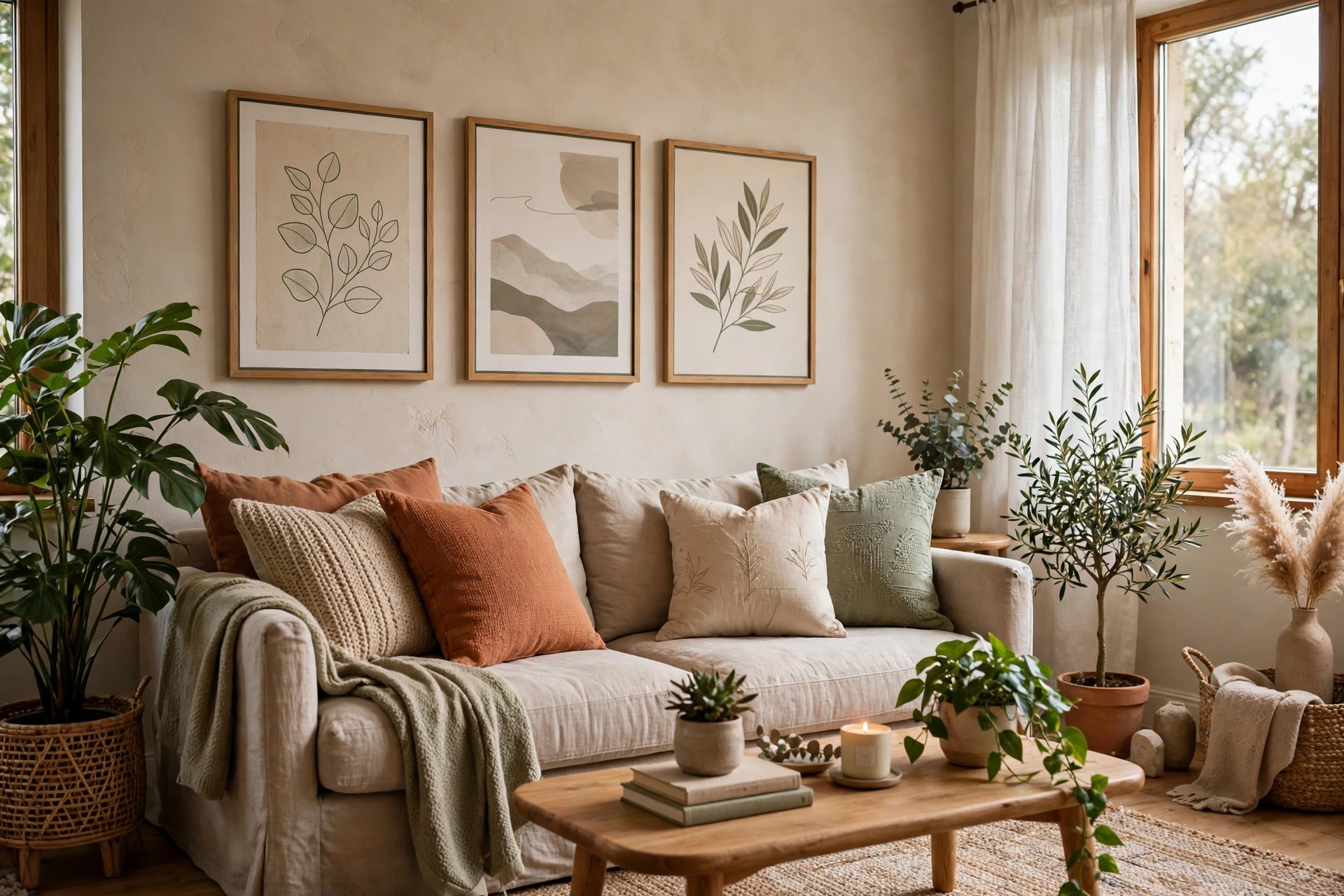
What Is Home Decor, Really?
Home decor is everything you add to a room after the walls and floors are done: furniture, curtains, rugs, lighting, wall art, cushions, plants and the small objects that make a space personal. But it is more than a list of things. It is the feeling a room gives you when you walk in.
A well-decorated room works for real life. The sofa is comfortable, the light is soft enough to relax in, and there is a place for your books and your cup of tea. When decor ignores how you live, the room looks nice in a photo and feels wrong every other day.
Home Decor Basics That Work in Every Room
Every room benefits from the same few basics. First, choose one main colour and one or two supporting colours, then repeat them around the room so it feels connected. Second, mix textures: smooth wood with soft fabric, a woven basket next to a ceramic vase.
Third, give the room a focal point — a sofa, a fireplace, a large piece of art or a window with a good view — and arrange the rest around it. Fourth, leave some empty space. A room packed wall to wall feels tense, while a little breathing room makes everything look better.
Choosing Colours That Feel Right
Colour sets the mood of a room more than anything else. Warm colours like cream, terracotta and soft brown make a room feel cosy and inviting. Cool colours like sage green, soft blue and grey make it feel calm and fresh.
Before you paint a whole wall, test the colour on a small patch and look at it morning, noon and evening, because daylight changes everything. If you are unsure, start with neutral walls and bring colour in through cushions, throws and art, which are easy to change.
Furniture and Layout: Start With How You Live
Furniture should fit your life before it fits a trend. A family that eats together needs a proper dining table, and someone who reads every night needs a good chair and a lamp beside it. Measure your room before you buy anything, and leave enough space to walk around comfortably.
Place the largest piece first, usually the sofa or the bed, then add the rest around it. Keep the layout simple, and avoid pushing everything against the walls. For more practical room ideas, Real Decor Lovers shares guides that show how real homes solve everyday layout problems.
Lighting: The Quiet Hero of Home Decor
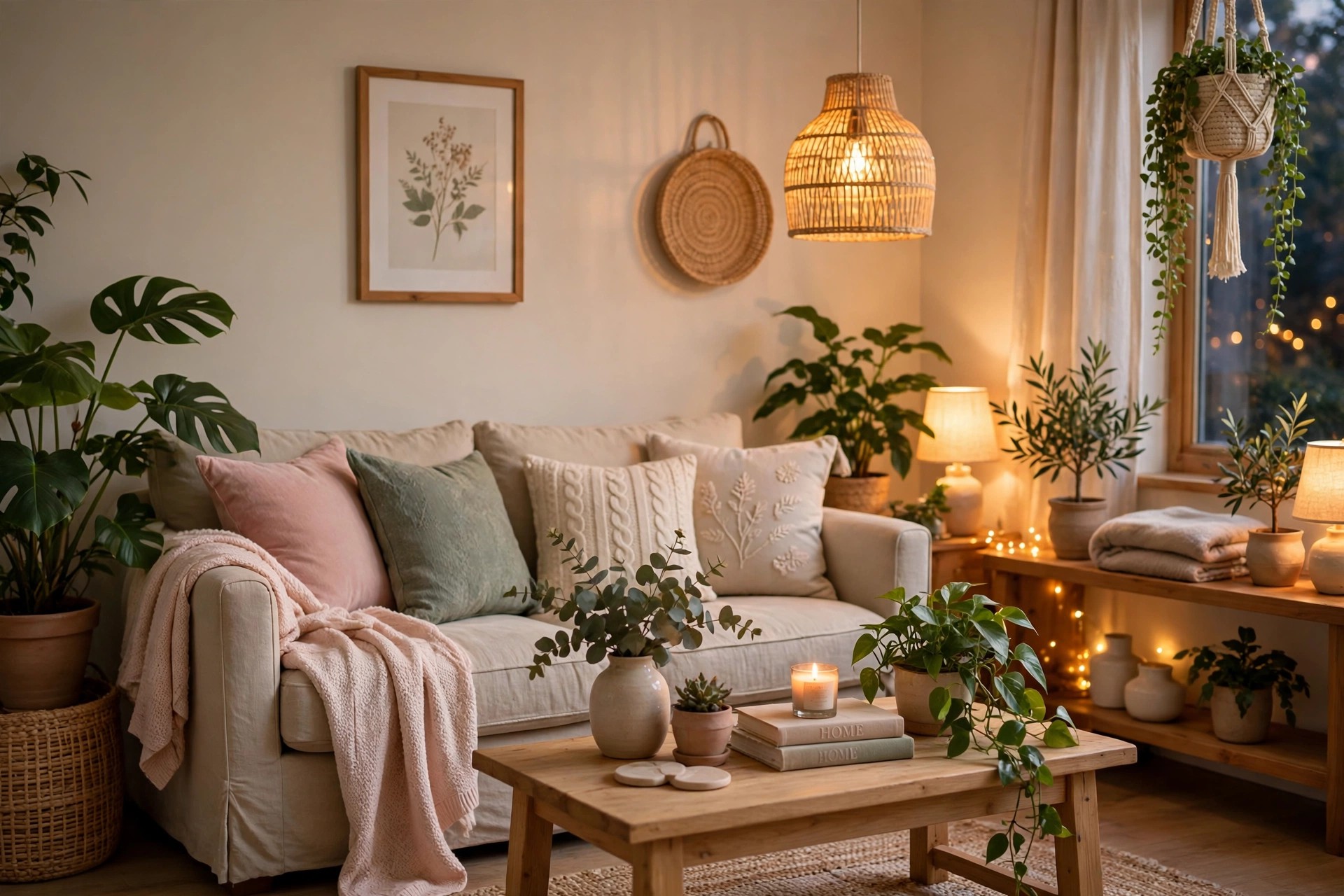
Lighting is the most underrated part of home decor. A room with good light feels warm and alive, while harsh overhead light makes the same room feel cold. Use layers: a ceiling light for general brightness, a table or floor lamp for reading, and small warm lights for the evening. Warm white bulbs suit living rooms and bedrooms; brighter white light works better in kitchens and work areas.
Natural light matters just as much. Keep windows clear, use light curtains, and place a mirror opposite a window to bounce light deeper into the room. Good lighting costs little and changes everything about how a room feels.
Small Green Sunroom Ideas for a Fresh Touch
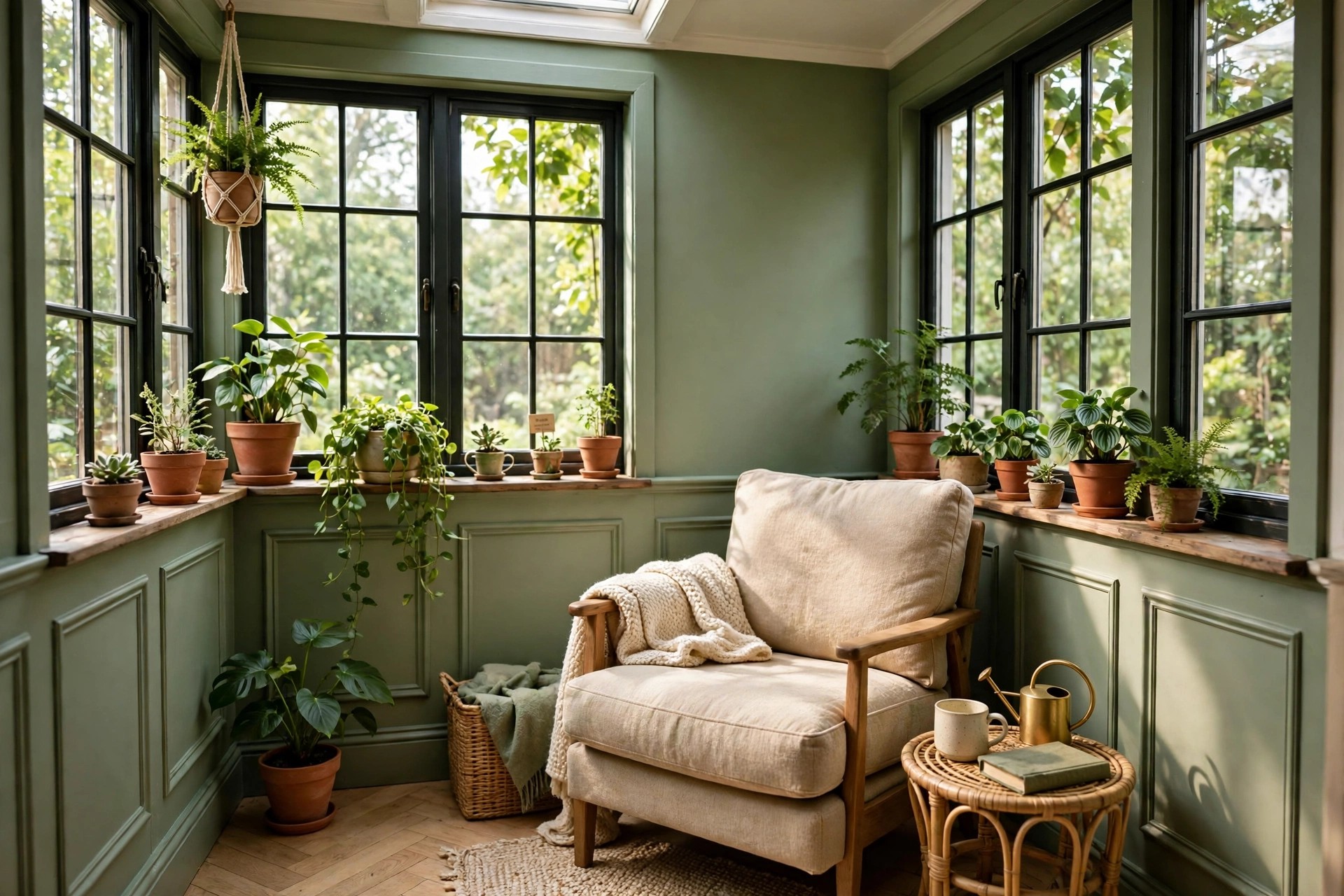
A sunroom is one of the easiest places to practise home decor, because the light already does half the work. Start with plants: a few green plants on the windowsill bring life into the room at almost no cost. Add a comfortable chair, a small side table and a soft throw, and the sunroom becomes a quiet corner for morning tea or an afternoon read.
Sage green walls or cushions work beautifully in a sunroom, because they echo the plants outside the glass. Keep the furniture light and simple so the room stays bright. If you want more ideas, small green sunroom ideas show how to turn a sunny corner into the most loved spot in the house.
Mistakes to Avoid When You Start Decorating
The most common mistake is buying everything at once. A room filled in a single weekend usually looks like a furniture shop, not a home. Buy the big pieces first, live with them for a while, and add the smaller things slowly. Another mistake is choosing style over comfort: a chair that looks stunning but hurts your back will end up unused.
Avoid matching everything perfectly. A room where every item is the same colour and style feels stiff. Mix old and new, plain and patterned, and let a few personal objects tell your story. Finally, do not ignore scale: a tiny rug under a large sofa throws the whole room off balance.
Conclusion
What is home decor, in the end? It is the care you put into the place where you live. You do not need a big budget or a design degree. Understand how you use your rooms, choose colours and light that feel right, and add things slowly, one piece at a time.
Start small. Change one corner this week: add a plant, move a lamp, hang a picture you love. A home that grows with you will always look and feel better than one finished in a day.