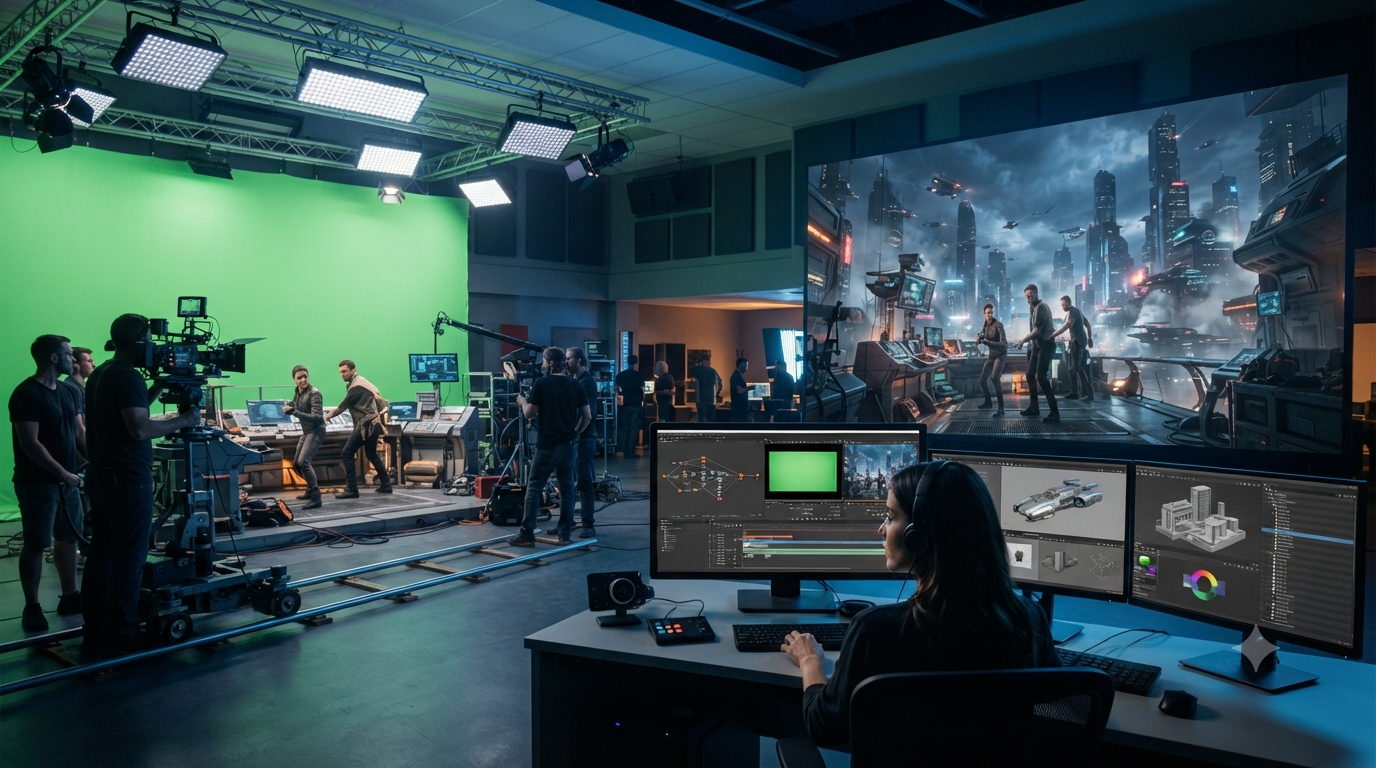

Advertising has always been about presenting ideas in ways that people can understand and remember. As audiences spend more time watching digital videos, brands are looking for creative ways to make their messages stand out.
Visual effects, computer-generated imagery, animation, and professional post-production have opened new possibilities for modern advertising. These techniques allow businesses to create engaging promotional videos and present their products in ways that traditional filming alone may not achieve.
Visual effects, commonly known as VFX, allow creative teams to build scenes that would be difficult, expensive, or impossible to capture during a regular shoot. From a product appearing in a fantastical environment to a city transforming around a moving vehicle, VFX gives advertisers greater freedom to communicate a brand message.
Why Visual Storytelling Matters in Advertising
People often respond quickly to images and moving visuals. A clear visual story can explain a product, demonstrate a benefit, or create an emotional connection without relying on lengthy explanations.
A successful advertisement needs more than impressive effects. It should have a clear idea, a relevant message, and visuals that support the product or service. VFX works best when it strengthens the story rather than distracting viewers from it.
How VFX Creates New Creative Possibilities
Visual effects can be used in many ways during advertisement production. Artists can remove unwanted objects, replace backgrounds, extend locations, create digital environments, and combine live-action footage with computer-generated elements.
For example, a travel brand may want to show a destination through a sweeping cinematic environment. A vehicle advertisement may use compositing and environment creation to produce a dramatic setting while keeping the product as the main focus.
These techniques give filmmakers and advertising professionals greater creative control and help them turn ambitious concepts into visual presentations.
The Role of CGI in Product Advertising
Computer-Generated Imagery, or CGI, is especially useful when a product needs to be shown in precise detail. A digital model can be presented from different angles, displayed in a custom environment, or animated to reveal features that are difficult to capture with a camera.
For product advertising, realism and accuracy matter. The model should reflect the product’s shape, proportions, materials, and important details. Lighting, reflections, shadows, and camera movement should also feel consistent so that the digital object belongs naturally in the scene.
CGI can help brands create attractive product presentations while providing flexibility over the final visual appearance.
Using 3D Animation to Explain Product Benefits
3D animation can turn technical information into an easy-to-follow demonstration. Instead of simply listing features, an advertisement can show how a product works, how its parts fit together, or how it solves a particular problem.
This approach can be useful for electronics, appliances, industrial equipment, consumer products, and many other categories. Animation gives the production team control over timing and camera angles, making it easier to direct attention towards the details that matter most.
Why Editing and Color Grading Are Essential
Even strong footage and impressive visual effects need careful post-production. Video editing shapes the pace of an advertisement, selects the most effective shots, and creates a logical flow from the opening scene to the final message. Good timing helps maintain interest and gives important product moments enough attention.
Color grading brings consistency to the final video. It can establish a warm, energetic, premium, or dramatic mood, depending on the campaign’s creative direction.
When live-action footage and CGI are combined, matching their colors, contrast, and lighting is particularly important. These finishing techniques help create a polished and professional result.
Planning a Successful VFX Advertisement
A strong result begins with a clear production plan. Before work starts, the team should understand the target audience, campaign objective, product details, delivery format, and main message.
The production process may include concept development, filming, 3D modeling, animation, compositing, editing, sound work, and final rendering. Not every project requires every stage. The right combination depends on the creative idea, available material, schedule, and budget.
Another consideration is adapting the final video for different platforms. A campaign may need a widescreen version for a website, a vertical edit for mobile viewing, and shorter cuts for social channels. Planning these formats early helps the production team frame important action and keep essential brand information visible. It also allows the same creative concept to reach viewers in several places without losing its central message.
Choosing a Creative Production Partner
Businesses benefit from working with a team that understands both creative storytelling and the technical side of production. A good production partner should listen to the brief, explain the process clearly, and recommend techniques that serve the project’s goals rather than adding effects without purpose.
Film By Him offers creative production services that include VFX and CGI, 3D product animation, industrial animation, architectural visualization, video editing, color grading, and AI content services. These capabilities can support different types of visual projects, from product demonstrations to promotional videos and digital campaigns.
Conclusion
Visual effects have expanded what brands can create in modern advertising. VFX, CGI, and 3D animation make it possible to present products in imaginative settings, explain complex features, and build distinctive visual stories.
However, technology alone does not make an advertisement effective. A clear message, thoughtful planning, accurate visuals, and polished post-production are just as important.
When these elements work together, a brand can create advertising content that communicates its value and leaves viewers with a stronger understanding of the product.